
The Psychology of Risk and Reward in Horror Films
- Gaming
The Templar
- 0
- 4 minutes read
Horror films are one of the few genres that reliably divide audiences: some people avoid them entirely, while others can’t get enough of the tension, jumps, and adrenaline. What makes viewers lean in instead of looking away?
It turns out the answer lies in how the human brain processes risk and reward. And we’ll discuss it in this article.
Why we seek fear in the first place
At first glance, the idea of paying money to be frightened doesn’t make sense. Yet psychologists suggest that horror offers a safe way to engage with danger. The thrill comes from a “benign violation” — a concept in psychology where something feels wrong or threatening but is experienced in a safe context. You might jump at a slasher’s sudden appearance, but deep down, you know the danger is only on screen. That gap between real and imagined threat fuels the excitement.
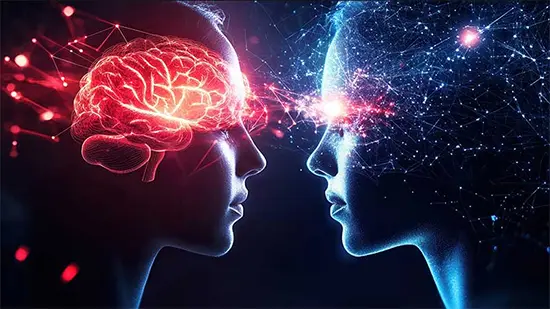
Neuroscience backs this up: horror activates the amygdala (the brain’s fear center), but also engages the prefrontal cortex, which evaluates whether the threat is real. This combination lets viewers ride the wave of adrenaline without true danger.
The reward side of the equation
Fear is only half of the story. Horror films also provide a dopamine rush — the same neurotransmitter linked with pleasure and reward. When the jump scare ends or the monster is defeated, the brain shifts from high alert to relief. It gives viewers a euphoric release, just like when you visit something like https://sportbet.one/litecoin and your bet wins. It has a survival simulation effect: audiences practice facing threats and then enjoy the payoff of surviving them.
For some, this reward loop is addictive. Much like roller coasters, horror films create a controlled cycle of tension and relief, encouraging fans to seek increasingly intense experiences from supernatural thrillers to gore-heavy slashers.
Personality and audience differences
Not everyone enjoys horror, and personality plays a large role. Some people are “sensation seekers” who crave novelty and intensity, and they are more likely to enjoy scary films. Others may find the same stimulation overwhelming or unpleasant.
Gender and age patterns also appear in research. Younger audiences often report stronger enjoyment of horror, partly due to peer influence and the novelty of testing personal limits.
Social dynamics matter too: watching with friends can make fear feel funnier, lighter, or more bearable, while watching alone amplifies the dread. And this way, horror builds community.
Cultural differences also shape how horror is consumed. In Japan, ghost stories and supernatural horror often reflect spiritual traditions, while in the U.S., slasher films and creature features lean into themes of rebellion, survival, or punishment. Despite these variations, the social purpose remains: horror helps groups confront fears collectively.
Final thoughts
Horror taps into one of the oldest survival mechanisms: responding to threat. Yet instead of running, viewers sit still and let the fear wash over them. By doing so, they get both the risks – racing hearts, sweaty palms, wide eyes – and the rewards: relief, laughter, bonding, even a sense of mastery over fear itself.
In the end, the psychology of horror films shows that humans are wired not just to avoid danger, but also to flirt with it, especially when it’s safe. That delicate balance of risk and reward explains why horror continues to thrive, from Hitchcock classics to modern found-footage hits.