
Why is Horror Everywhere Right Now?
- Horror Features
The Templar
- 0
- 7 minutes read
It didn’t happen overnight. Horror’s rise to cultural dominance in 2026 feels sudden, but in reality, it’s been building for decades, and as They Will Kill You prepares for its UK release this Friday (27th March), it arrives at a peak shift in the horror genre, and the entire cinematic landscape.
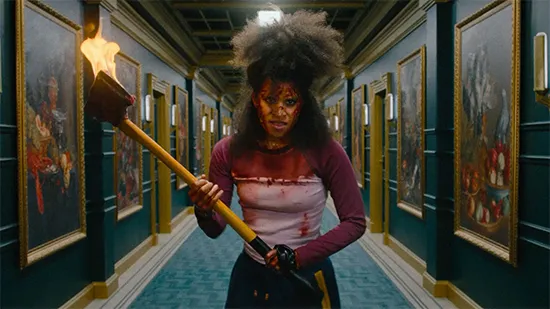
In They Will Kill You, Asia Reaves takes a housekeeping job in an upscale New York City high-rise, expecting routine work in a prestigious setting. Instead, she uncovers a disturbing pattern: residents have been disappearing without explanation for decades. As rumors of a possible cult circulate among the building’s shadows, what begins as a straightforward job quickly takes on a far more ominous edge.
To understand why horror feels so central now, it helps to look at what’s happened to everything else.
Why Horror is Everywhere Right Now and How it Took Over the Spotlight
Looking back through the years, you can identify the trend shifts in cinema through the years. For example, the 90s were built around award winning dramas and peppy teen flicks, whilst the early 2000s were dominated by large scale theatrical comedies. The kind of films built around movie stars, quotable lines, and repeat viewings. The 2010’s brought the action and superhero juggernauts, with multiverses growing larger and wider through the decade.
But with the introduction of streaming throughout the 2010’s and 2020’s, the trend cycles became more blurred and film genre’s as a whole began to become fewer and far between. Streaming sites absorbed mid-budget productions, fragmenting audiences and creating a more algorithm-driven viewing experience. Genre’s no longer dominated cinema, streaming platforms’ top picks did instead.
Even blockbuster filmmaking has narrowed. Franchise films and established IP dominate, leaving less room for original stories to break through at scale. Spectacle remains, but risk-taking has, in many ways, become more limited. However, horror has always been bubbling over in the background, and it seems that it’s finally reached boiling point.
Horror has always had one crucial advantage: it adapts. While other genres rise and fall with trends, stars, or studio priorities, horror evolves with whatever people are afraid of — and that makes it almost impossible to outdate. Where comedy became more niche and drama migrated to television, horror stays fluid, able to shift tone, scale, and meaning without losing its core appeal.
Through the 2000s and early 2010s, it quietly reinvented itself. It moved away from purely formulaic structures and began experimenting — sometimes stylistically, sometimes thematically, often both. And then came the turning point: horror stopped being dismissed.
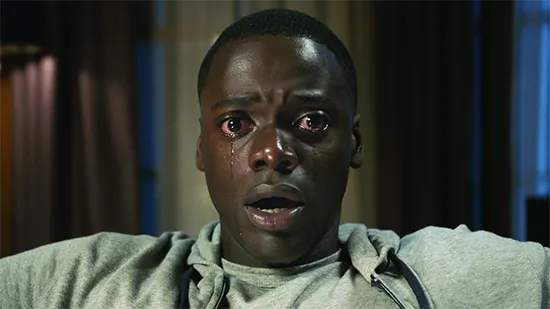
When Get Out won the Oscar for Best Original Screenplay in 2017, it didn’t just mark a win for one film but reframed the entire genre. Suddenly, horror wasn’t just commercially viable – it was culturally essential. It could be political, urgent, and deeply intelligent while still delivering the thrills audiences expected.
From there, the momentum only grew. Horror swept the 2026 awards season with titles like Sinners and Weapons proving that horror could stand shoulder to shoulder with traditional prestige cinema, and the performances within horror were finally being recognised at the highest level.
At the same time, the genre didn’t lose its edge. If anything, it became bolder. The Substance showed that even the most visceral, confrontational ideas could trend across socials. Social media edits, templates and trends put horror at the forefront of pop culture, showcasing it’s deep cultural impact in not only it’s storytelling but also its presence in the media landscape.
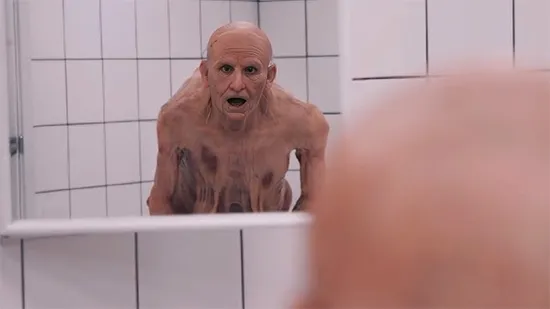
What’s striking is that none of these films look or feel the same. There’s no single formula for success anymore. Horror has become a space where wildly different ideas can coexist; intimate character studies, large-scale cinematic experiences, surreal experiments, all under the same umbrella. And that’s something no other genre is quite managing right now.
Comedy, once the backbone of theatrical releases, has largely shifted to streaming and short-form content. Drama has found a more natural home on television, where long-form storytelling allows it to breathe. Even blockbuster cinema, while still dominant, often relies on familiarity, franchises, sequels, universes. Horror, on the other hand, thrives on the unknown.
It’s one of the last genres where originality is not just welcomed, but expected. Audiences go in anticipating surprise — a twist, a new idea, something they haven’t quite seen before. That built-in appetite for risk gives filmmakers a rare kind of freedom. It also gives horror something increasingly rare: a sense of event.
In a landscape where viewing is often solitary and on-demand, horror still brings people together. It demands reactions – gasps, laughter, tension you can feel in a room. It’s communal in a way few genres are anymore, which makes it uniquely suited to the cinema experience. All of this has led to this moment where horror isn’t just participating in the industry, it’s driving it.
They Will Kill You opens in the UK Friday March 27.
They Will Kill You trailer