Why movies with psychological horror stick with us longer than movies with a lot of gore
- Gaming
The Templar
- 0
- 6 minutes read
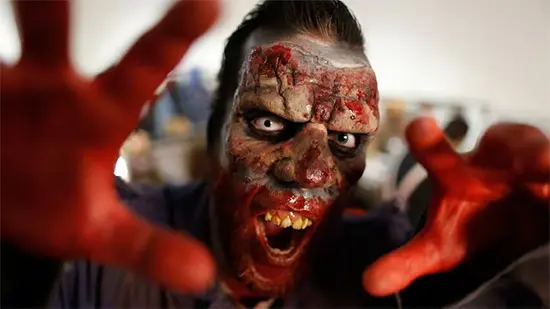
Horror fans all know how it feels. You watch a movie, turn off the screen, and hours later something still doesn’t seem right. It seems like the house is quieter than usual. Shadows look like they weigh more. You can’t stop thinking about one picture or idea that you can’t fully explain. Too much blood or shock value is not usually what causes that lingering pain. It usually comes from scary movies.
Sometimes, when people talk about intensity, they make strange comparisons, like $100 no deposit bonus 200 free spins real money usa, which has nothing to do with it. But psychological horror is a whole different game. It doesn’t try to take over your mind right away. It digs into your mind and stays there.
Fear That Gets Into Your Mind, Not Just Your Senses
Psychological horror works because it trusts the people who watch it. It doesn’t show everything; it keeps some things to itself. The threat could be unclear, hidden, or only partially understood. This makes people take part by filling in the blanks with their own fears.
The Witch doesn’t scare you with violence all the time. It comes from being alone, being suspicious, and the slow breakdown of trust in a family. The movie uses silence and doubt to create tension, so even when nothing “happens,” every moment feels tense.
It’s much harder to get away from a movie when it lets your imagination run wild.
Emotional pain makes horror seem real.
What really sets psychological horror apart from movies with a lot of gore is how it makes you feel. Grief, trauma, loneliness, or obsession are common themes in these stories. The supernatural parts may be scary, but they come from things that happen to real people.
Hereditary is a great example. The film’s most disturbing parts aren’t the darkest ones; they’re the ones that show a family falling apart after a terrible loss. The horror seems unavoidable because it comes from feelings instead of a show.
When fear is linked to something familiar, it feels too close to reality.
Not knowing is scarier than knowing.
Psychological horror often doesn’t fully explain itself, and that’s on purpose. Clear rules and neat explanations make people feel better. Uncertainty does the opposite.
The threat in It Follows is clear, but not completely. The lack of clarity makes viewers uneasy and makes them wonder what they would do in the same situation. The uncertainty stays even after the movie is over.
That unanswered tension is what keeps psychological horror going long after the credits roll.
The atmosphere makes the fear stronger.
Psychological horror doesn’t use shocking images; instead, it uses mood as its main weapon. The viewer is slowly led to discomfort by the lighting, sound, pacing, and framing. Long silences, sounds that are far away, and slow camera movements all add to the tension that builds slowly.
The way Saint Maud tells its story feels very personal. The horror happens in the main character’s mind, which makes the audience feel like they are stuck in her thoughts. The fear isn’t loud or explosive; it’s heavy and very scary.
This slow, controlled setting lets fear sink in instead of going away quickly.
Why Gore Doesn’t Last as Long
Horror that is heavy on gore depends on immediacy. The reaction is strong, but it doesn’t last long. Once the shock wears off, there isn’t much left to think about. The fear goes away when the picture goes away.
Psychological horror doesn’t give you that. It doesn’t give viewers a clear emotional ending, which makes them feel uneasy instead of relieved. The unease stays with you after you leave the theater and into your daily life, where even familiar places seem strange.
That lasting effect is why psychological horror movies stick with people long after graphic movies are forgotten.
A Realistic Look at Anxiety
Psychological horror resonates due to its reflection of genuine fears. Metaphor, not explanation, is used to talk about loss of control, being alone, belief systems, and mental fragility. These movies play on fears that people already have.
Psychological horror makes it hard to tell the difference between fiction and reality by focusing on the inside instead of the outside. The fear seems real, even though the story is about something supernatural.
Why We Keep Coming Back to These Movies
A lot of psychological horror movies make you think. Looking back, details make more sense, and choices that seemed small become clearer over time. People don’t just remember these movies; they think about them again and again.
The horror turns into something we can talk about, think about, and look at in a new way. That depth is what makes a movie more than just a one-time scare.
Final Thoughts
Psychological horror sticks with us because it doesn’t depend on too much. It makes fear feel personal by using restraint, emotion, and uncertainty. Gore may shock us at the time, but psychological horror changes the way we think and feel, leaving us with a quiet but persistent sense of unease.