
The Rules Are Worse Than the Monster
- Gaming
The Templar
- 0
- 5 minutes read
Horror gets under your skin when the room stops making sense, the exit plays tricks and the rules turn nasty. A monster can scare you once; a broken system keeps you watching, because every door, hallway and warning sign might be lying to your face. That is the real trap.

A good horror film does a nasty little trick. It gives you rules, lets you get comfortable with them, then starts moving the furniture when your back is turned. The door that led outside now leads deeper in. The monster follows a pattern until it doesn’t. The safe room buys five minutes, then becomes the worst room in the house. That is where the fun begins, because horror works best when certainty starts to rot.
Horror Escaped the Cinema Long Ago
Horror has its roots in literature in books like Frankenstein and Dracula but became a cultural phenomenon through cinema. Frankenstein and Dracula were some of the earliest adaptations made for the silver screen, but horror truly cemented its position in the cultural zeitgeist in the 70s and 80s with hugely popular movies like the Exorcist.
Even before this wider cultural acceptance of the genre, horror was branching out into other types of media. From radio to comic books and cartoons to television and even music, many creatives have been presenting their unique riffs on the dark monsters and tension from early horror movies and books.
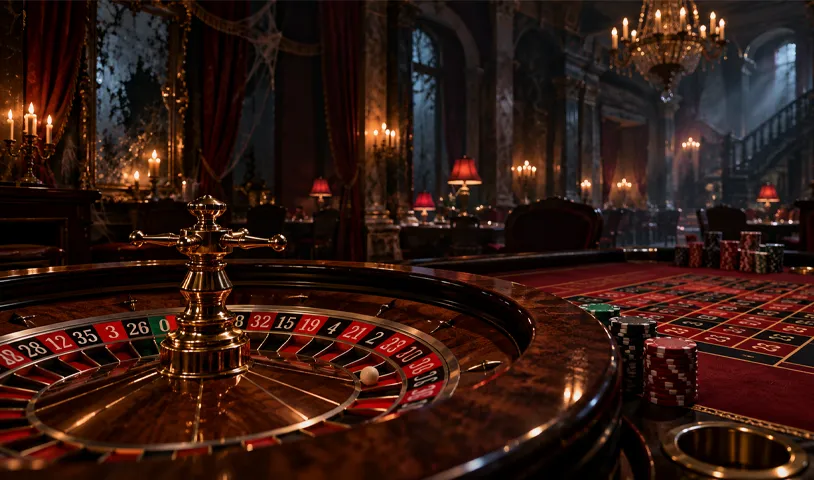
Perhaps the latest addition is gaming, where horror games have been consistently growing in popularity in recent years. Early games like Doom presented a dark world of demons and hellfire but more recent titles like Outlast and Resident Evil managed to create worlds riddled with tension and spine-tingling terror. Nowadays, horror could almost be considered a cornerstone of gaming, even spreading out into less “traditional” formats like mobile games and even online gambling, where many modern slots with the Megaways mechanic at NetBet lean on horror themes to create a spooky but familiar ambiance.
Horror Teaches Rules So It Can Break Them
A slasher film normally lays out its rules at the start. The killer has a route, a weapon, a blind spot and a nasty sense of timing. Viewers start reading the film like a map, looking for the room that should be safe or the path that should get someone out alive. Horror then earns its grin by breaking that map at the worst possible moment.
That is why clean rules can be scarier than chaos. A ghost story with no pattern soon becomes noise, but a ghost story with one repeated sound at 3:17 a.m. gives the audience something to dread. Once the film has trained you to listen for it, the absence of that sound can become worse than the sound itself. The machine has changed, and now everyone is behind it.
Liminal Spaces Turn Confusion Into Dread
Backrooms horror gets this right because it begins with something ugly, ordinary and almost boring. Fluorescent lights hum above stained carpet. Empty rooms repeat with no useful landmark. Nothing jumps out at first, which is exactly the problem. The space gives you enough information to move forward, then refuses to tell you whether forward means anything.
Backrooms fits neatly here because the fear comes from a place that should be harmless but has somehow gone wrong. That kind of horror does not need a castle gate or a stormy hill. A dead office maze can do the job when the exits stop behaving. The viewer understands the room, then understands that the room does not care.
Internet Horror Made the Map Less Reliable
Modern horror has become very good at making the ordinary feel rigged. The Backrooms phenomenon grew from online culture, where a single image of yellow walls and flat lighting became a shared nightmare. The Guardian placed that cultural rise inside a wider horror moment, with Backrooms moving from internet unease into cinema conversation.
That matters because internet horror changed the starting point. The monster no longer has to arrive from folklore or a graveyard. It can arrive from a file, a forum, a screen grab or a half-remembered image people swear they have seen before. The map becomes less reliable because the audience brings half the fear with them. A blank corridor can carry its own myth before the film has done anything at all.
The last act of a horror film can go completely mad, but only after the groundwork has been laid. A house can stretch, a demon can change its bargain, a game can reveal a final rule, and the audience will go with it when the earlier scenes made the danger legible. Big nonsense is still nonsense. Earned nonsense can be glorious.
The Door Should Never Open the Same Way Twice
Horror fans enjoy rules because rules give fear something to push against. A locked room, a cursed object or a repeated hallway becomes more interesting once the film has taught you the pattern, then pulled one screw loose. That is the little engine underneath so many good scares. The door opens, the viewer leans forward, and the story gets to ask the only question that really counts: did it open onto the same world as before?