
Exclusive interview: Nicholas Vince
- Interview
 Tom Atkinson
- 1
- 15 minutes read
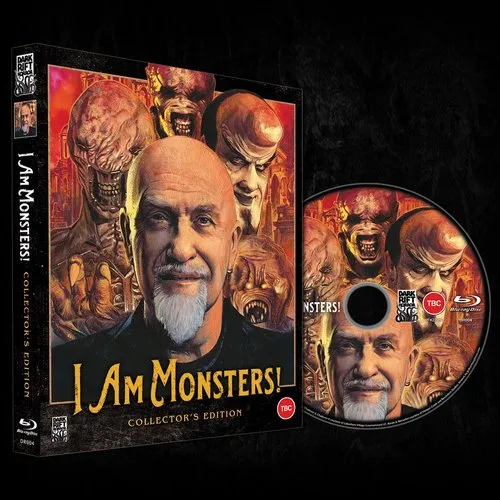
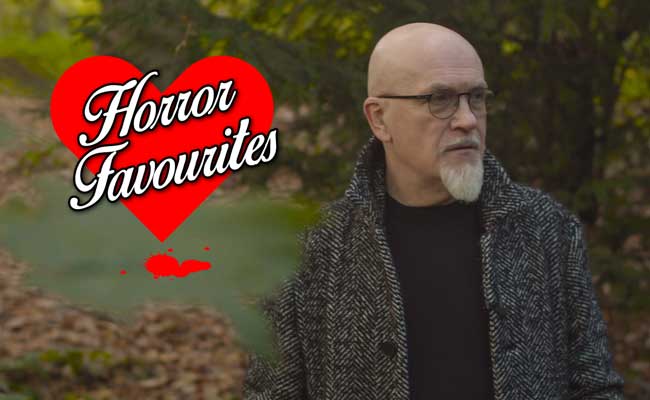
Nicholas Vince has carved out a legendary status in the horror genre, thanks to his unforgettable roles as the Chatterer Cenobite in Hellraiser and Kinski in Nightbreed. With a career that spans decades, Vince has not only cemented his place in horror history but also continuously found ways to reinvent himself, whether through new films or his captivating live show I Am Monsters. As the Blu-ray release of I Am Monsters approaches, fans can now experience the actor’s personal and professional journey in a deeply intimate way.
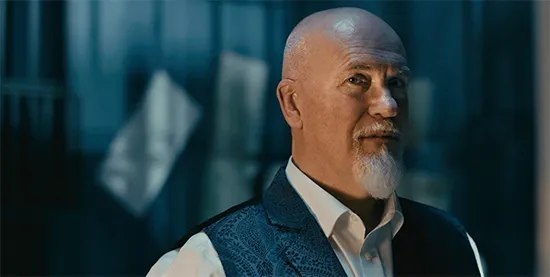
We sat down with Vince to talk about the creation of his one-man show, his experiences in horror, and his latest role in the festive horror Advent, set to premiere at Pigeon Shrine FrightFest Halloween in November. We even got to delve into his thoughts on the evolving landscape of horror, his creative process, and the legacy he’s building.
Congratulations on the upcoming Blu-ray release of I Am Monsters! For those unfamiliar, what inspired you to create the show, and what was it like reflecting on your career in such a personal way?
Nicholas: The idea for I Am Monsters came to me back in 2019 when I was the patron of the London Horror Festival, which is the largest festival dedicated to live horror performances. I was inspired by seeing other one-person shows, and I thought it could be a great way to share not only stories from my time working on films like Hellraiser and Nightbreed but also delve into more personal experiences.
It felt like the right time to reflect on my career in a more intimate way, especially since I’d often been asked to tell these behind-the-scenes stories at conventions. But I didn’t just want to retell anecdotes—I wanted to weave in my personal journey, the challenges and triumphs I’ve faced, and even some of the books and quotes that influenced me deeply. So in many ways, it became this cathartic experience of merging the personal and professional, and I was genuinely surprised by how much it resonated with audiences.
Initially, the plan was to perform it in small theatres—50 or 60 seat venues where the connection with the audience feels much more direct. But when the pandemic hit, like many others, I had to adapt. So, I shifted focus and started working on the feature-length film version. Reflecting on my career in such a personal way felt like a journey back through my life, not just as an actor but as a human being who has navigated the highs and lows of the entertainment industry. It’s been quite a ride, and I’m thrilled to see it now reaching even more people through the Blu-ray release.
You’ve spent a lot of time on camera, but how does appearing on stage compare?
Nicholas: Performing on stage is an entirely different beast, especially with a one-man show. On camera, you have the luxury of multiple takes, close-ups, and edits to fine-tune your performance. But with live theatre, especially in an intimate setting, there’s no room for retakes. Every moment is immediate, and it’s a constant dialogue with the audience. I always felt that the connection with the audience was critical, especially in a show like I Am Monsters, which blends humour with darker, more personal material. Getting those laughs early on was deliberate—when the audience is with you on a comedic level, they’re more open and receptive to the emotional and intense stories that come later.
What I love about stage work is the energy exchange. You can sense if the audience is engaged or if a line lands in a different way than expected, and that allows you to subtly adjust your performance. There’s also a real sense of vulnerability. Telling these personal stories every night meant I had to be fully present. Each performance was slightly different because I fed off the energy of the crowd. I think that’s why live theatre is so exhilarating—it’s an evolving conversation, not just me delivering lines. I’d love to take the show back on the road one day, but for now, I’m focused on getting these Blu-rays into people’s hands.
A lot of stars from the classic ‘80s and ‘90s horror films are experiencing a revival, especially with the growth of convention culture. How do you feel about being part of this resurgence?
Nicholas: It’s fascinating to see this resurgence, especially as someone who’s been part of that world since the late ‘80s. What’s really interesting is that, back then, horror was often considered a niche genre—something that existed on the fringes of mainstream cinema. But now, it feels like these films have reached a broader audience and have become more appreciated over time. I had a conversation with Doug Bradley (Pinhead) not too long ago, and we both remarked how Hellraiser seems more popular now than it was when it first came out. There’s a whole new generation of fans discovering these films, many of whom weren’t even born when we made them.
I think there’s a sense of nostalgia, but also a growing recognition of the artistry involved in these films. Platforms like Hulu’s Hellraiser reboot have certainly helped keep the legacy alive. Personally, I find it heartwarming to see people bringing their kids—or even grandkids—to screenings of Hellraiser. Horror has always been a communal experience, something you share with friends or family. And now, with events like FrightFest and a thriving convention culture, it feels like horror icons from the ‘80s and ‘90s are being celebrated more than ever. It’s wonderful to be part of that legacy and to see how these films have stood the test of time.
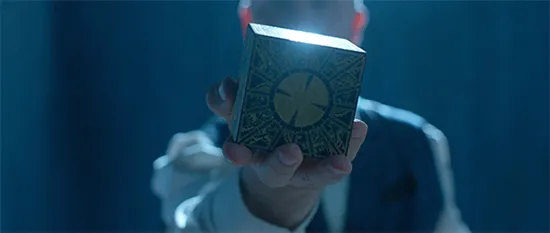
As one of the most experienced British horror actors still working, what continues to draw you to the genre, and how do you feel about the direction of British horror?
Nicholas: Horror is a genre that constantly asks the big questions—about life, death, fear, and survival. It’s primal, but it’s also deeply intellectual when done right. I’ve always been drawn to horror that has something to say, that doesn’t just rely on gore or shock value but uses the genre as a way to explore human nature. Films like Nightmare on Elm Street or Hellraiser, for example, aren’t just about the kills—they ask deeper questions about the nature of fear, dreams, and even morality. That’s the kind of horror that I love, and it’s what keeps me engaged as both a fan and a performer.
As for British horror, I think we’re in a really exciting place. There are a lot of independent filmmakers doing extraordinary work, creating smart, engaging horror on shoestring budgets. Dark Rift, Hex Studios, and directors like Laurie Brewster, Liam Regan and Damien Ricard are pushing boundaries and proving that you don’t need Hollywood budgets to make something impactful. British horror has always had this unique blend of intelligence and grit. It’s less about spectacle and more about atmosphere, character, and tension. There’s a strong sense of community within the British horror scene, particularly at events like FrightFest, where filmmakers and audiences come together to celebrate the genre. It’s an exciting time to be part of it, and I feel lucky to still be working with such creative people.
Terrifier 3 is causing a stir with its extreme content. What’s your take on films that push the boundaries of censorship?
Nicholas: I haven’t seen Terrifier 3 yet, but I’ve heard the stories—people walking out, fainting, throwing up in the cinema. It’s all part of the marketing, of course, but I have tremendous respect for what they’ve achieved. They’ve built a brand and a following, and that’s no small feat. Personally, extreme gore isn’t my thing. I’ve always preferred horror that builds tension and explores psychological fears rather than just pushing boundaries with blood and guts.
That said, I understand why films like Terrifier resonate with audiences. Horror has always been about testing our limits, seeing how much we can endure. For some people, that’s sitting through a film with extreme violence and coming out the other side feeling like they’ve survived something. There’s a badge of honour in that. But for me, horror needs to have more substance. I want to see moral dilemmas, complex characters, and real stakes beyond just survival. Clever kills can be fun, but I want to walk away from a horror film feeling like it’s left me with something to think about, not just a visceral reaction.

You’ve worked on many ensemble horror projects with genre icons. How important is collaboration for you as an actor?
Nicholas: Collaboration is at the heart of acting. I always say that acting is like a tennis match—you serve up a line, and the other actor has to respond in a way that keeps the game going. Some of the most memorable performances I’ve been a part of have come from that back-and-forth energy with a co-star. I remember having dinner with Julian Sands a few years ago, and we talked about how much joy there is in that process of discovery, of bouncing off your fellow actors and seeing where a scene takes you. He was so passionate about acting, and that passion was infectious.
Malcolm McDowell also once said to me that acting should always be a conversation. If you’re too focused on your own performance, you’re missing out on the magic that happens when you truly connect with the other person. I’ve been fortunate to work with some incredible people, both in front of and behind the camera, and I think that sense of collaboration is what makes the work special. It’s not just about saying your lines—it’s about listening, reacting, and being open to whatever happens in the moment.
You have a few upcoming projects, including the FrightFest-featured Advent. Can you give us a sneak peek of what to expect?
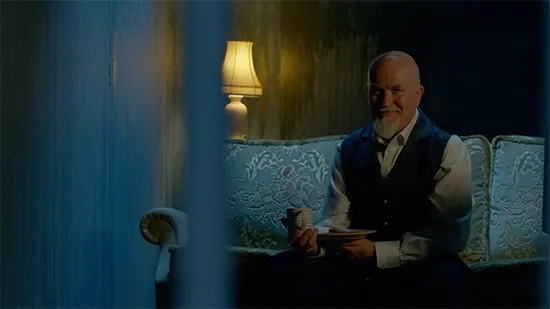
Nicholas: Advent was such a joy to work on. The character I play goes through a really interesting arc, and without giving too much away, the film plays with some deeply personal themes that I found very resonant. Advent calendars were a big part of my childhood—I was born in Germany, and my family would receive these intricate advent calendars from friends, so when this project came up, it struck a chord. There’s something very nostalgic and almost eerie about that childhood tradition, which I think the film taps into.
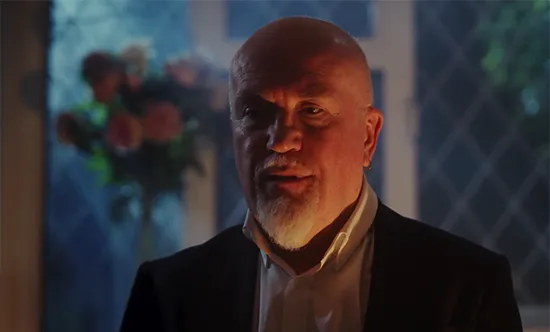
In addition to Advent, I’ve got a cameo in He Sees You When You’re Sleeping, directed by Charlie Steeds, which is coming out soon. That film is a lot of fun, and I think audiences are really going to enjoy it. Plus, there’s How to Kill Monsters, which we’re all eagerly waiting on for release dates. It’s been a busy year, and it’s great to see all these projects coming out around the same time. I’m excited to see how audiences respond to them.
And I understand you’ve also been busy writing?
Nicholas: Yes! I’m currently working on two writing projects. The first is the long-awaited third volume of my short stories, which I’ve been promising for nearly ten years. That should be out early next year, and once I finish my current commitments by November, I’ll be focusing entirely on it. The second project is a novella—a supernatural gay horror murder mystery. I have the title, characters, and the twist figured out, but I just haven’t had the time to sit down and write it.
Clive Barker has been encouraging me to write for years, but with I Am Monsters taking up so much time over the last five years, plus other projects and life events like renovating my house, I just haven’t found a quiet moment to focus. Writing is something I love, especially when characters take on a life of their own and surprise me. It’s a process I enjoy, and I’m really looking forward to diving back into it once things settle down.
What advice would you give to aspiring actors and filmmakers trying to break into the industry today?
Nicholas: The biggest obstacle for filmmakers right now is piracy, hands down. It’s something that keeps me awake at night, especially with the release of I Am Monsters. There’s a real danger to independent filmmakers when their work is pirated—it undercuts their ability to make a living and continue creating. So, the first piece of advice I’d give is to support indie filmmakers. Pay for their work if you want more quality content.
That said, the democratisation of filmmaking has opened up a lot of opportunities. With the cost of equipment coming down, it’s easier than ever to make a film on a limited budget. But don’t just focus on the visuals—good sound is crucial. Audiences are far more forgiving of a lower-quality image than they are of bad sound. It’s something that often gets overlooked, but it makes a huge difference.
My other piece of advice is to get involved in the community. Festivals like FrightFest are invaluable. Not only can you watch what’s being made, but you can also meet filmmakers, learn from them, and even start collaborating. Start with short films, learn from your mistakes, and keep going. The key is persistence—keep creating, keep learning, and eventually, you’ll find your voice.
Before we wrap up, is there anything else you’d like to mention?
Nicholas: Just a quick reminder that I Am Monsters is available for pre-order now, and if you want a signed or personalised copy, get your orders in early. I’ll be signing and dedicating them soon, and I can’t wait for people to finally get their hands on the Blu-rays. Thanks so much for having me!
To find out how to get your limited copy of I Am Monsters on Blu-ray, visit: darkrifthorror.com/shop/i-am-monsters-limited-edition-blu-ray




1 Comment
[…] worked with some iconic names in horror, including Nicholas Vince and Laurence R. Harvey. How has that experience shaped your own creative voice, both as a performer […]