Reinvigorating the Horror Movie Genre
- Horror Features
 Emily Bennett
- 0
- 5 minutes read

Horror has bounced back from the grave
The immediate question that might pop up is, “was horror ever dead…or undead for that matter?” The horror genre has enjoyed constant success, going through it’s fair share of peaks and troughs but always remaining relevant. It’s also enjoyed various forms of reinvigoration and of course nothing short of sheer exploitation. In late 70s John Carpenter gave us Halloween and today that franchise is still being milked for all it’s worth.
In the early 80s Wes Craven gave us A Nightmare On Elm Street which subsequently saw a string of sequels executed in quick succession. He repeated the formula in the late 90s when he gave us Scream.
Sam Rami who helmed the original Spider-Man franchise started off with Evil Dead, which spawned two sequels and brilliant series. The Blair Witch Project introduced mainstream audiences to the found footage concept. And these are just some of the big hitters; in-between there have been loads of other horror movies – many by Italian directors – and let’s not forget the famous George A Romero.
However, in recent times things have changed; streaming giants have come to occupy the cinematic landscape and while audiences do harbour a feelings for going back to the movies in the traditional sense, the events of the past year and a half have certainly fattened the pockets of the streaming giants. However, as it has in the past, the horror genre is enjoying another reinvigoration and it’s one driven by broader talent inclusivity, a new wave of directors and of course, Stephen King.
Change has emerged, from the grave
Horror’s recent turnaround isn’t just based on studies conducted back in 2017 confirming that 60% percent of horror fans are women, but also the fact that more women have come into the realm of directing horror movies.
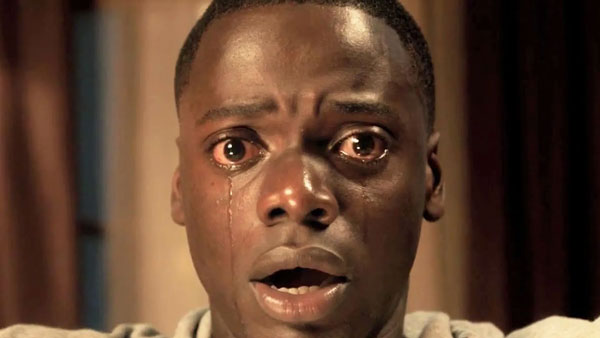
Traditionally the horror movie landscape has been dominated by male directors, so it’s quite refreshing to see that the girls are finally getting a proper go of making films for an audience that is largely made of the fairer sex. In addition to female directors making a prominent impact on the horror landscape, more people of colour have also been veering into this territory. Jordan Peele’s Oscar nominated Get Out (2017) was a game changer for directors and now we’re seeing other horrors movies directed by women of colour coming out such as the reimagining of Candyman, directed by Nia DeCosta.
Smaller budgets, bigger profits
It’s not just greater inclusivity that’s making horror movies greater, it’s also the general pool of talent operating out there these days. Film makers have learnt to work within the confines of lesser budgets, but have also been experimenting with much more absurd ideas. Blumhouse, established in 2000 and makers of films like Paranormal Activity and the Conjuring have been more experimental, used small budgets, but drawn the crowds and the profits. Traditionally the biggest studios listed on major Indices would be the ones accomplishing such feats, but not anymore.
Standard tropes, fresh takes
Mandy (2018) starring the once great, but these days somewhat questionable Nicholas Cage, illustrates the notion to delve into something completely absurd in terms of its psychedelic look. The same themes and tropes are still being revisited, they’re just getting a fresh coat of paint. Also, there’s always the subtext – something which horror is particularly good at showcasing. For instance, The Shining is about about a father who turns homicidal from a combination of cabin fever and the ghosts of the Overlook Hotel, but in essence Stephen King is telling us a story of alcoholism and domestic abuse.
The Exorcist is in essence about motherhood and faith. There’s always a subtext and horror movies are becoming more profound, more glossy and more daring. 2018’s Hereditary was an unsettling story about possession, but also a movie of how bad parenting begets bad parenting. Horror allows for a true exploration of certain themes while attempting to scare us.
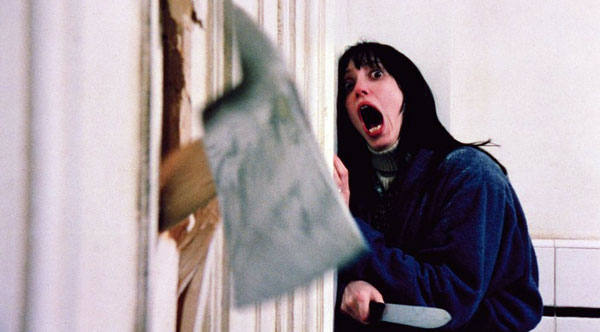
Then there’s also the Stephen King renaissance. King’s been churning them out for years and adaptations go all the way back to the late 70s, but it’s always been a mixed bag. Maybe King’s novels are more suited for a series format, maybe they simply don’t translate well into film. The most recent version of The Stand is proof that even with the latest technology and story telling techniques, a King adaptation can still be just okay. Then there are real surprise hits like IT (2017), which actually sparked the King renaissance. New film-makers, new talent and a new medium by which to absorb the content have made sure that horror will keep on rocking.