
Beyond the Blood: The Psychology Behind People’s Love for Horror Movies
- Gaming
The Templar
- 0
- 4 minutes read
The rush of quickened breath and heart race while knowing total safety is a strange delight. This paradox, a peculiar harmony between interest and fear, defines the appeal of terror. Horror films dare to unsettle and confront viewers with the very feelings they tend to avoid whereas most other film genres seek to amuse or soothe. Many viewers knowingly enter realms full of blood and chaos whether they are casual thrill-seekers or ardent gore fans.
Still, why individuals prefer to be afraid is a mystery. The solution is much more complex than superficial cries.
Beyond the turmoil and gore lies a key psychological fact: horror movies make viewers feel alive. They allow for a controlled release of intense emotions, arousing our most primitive instincts. They show how closely pleasure and horror are entwined, even beyond the blood and screaming.
An Adrenaline Rush That Is Safe
Fear serves as a survival strategy. It helped early people be aware of environmental dangers and predators. However, the threat is replicated in a horror film. Although the viewer’s mind is aware that there is no actual danger, it nevertheless sets off the body’s fight-or-flight reaction.
This produces a special thrill: the rush of danger without the repercussions. People who like bad emotions in save situations are said to exhibit “benign masochism,” according to psychologists. A pleasant emotional loop is created when the panic is followed by a dopamine rush of relief.
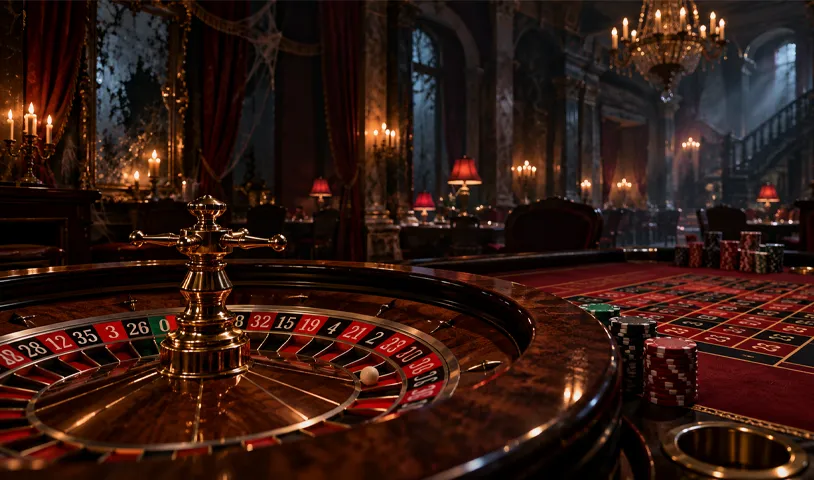
In this way, watching horror films is not all that dissimilar from other thrilling and risky pastimes, like skydiving, extreme sports, or even the game of online roulette. Every event evokes the same pleasure centers in the brain by including anticipation and uncertainty while providing a regulated taste of danger. One gambles with emotion while the other gambles with chance. That’s the only difference.
Taking on Your Inner Demons
Horror has a deeper emotional purpose than biology: catharsis. Seeing dread on film forces viewers to face their own fears in a symbolic way. It’s a way to purify your emotions—a chance to experience turmoil and make it through.
Real-life challenges are reflected in the audience’s attachment to characters who are stuck in scary situations. Whether it’s a ghost or an invisible force, witnessing someone persevere and overcome terrible odds gives comfort that fear can be addressed and overcome.
For this reason, horror frequently experiences a surge in popularity during uncertain times. The monsters shift with the world, becoming psychological thrillers during anxious times, zombies during pandemics, and vampires during periods of repression. The genre serves as a vehicle for each generation’s buried anxieties which they eventually overcome.
Similar Fears, Similar Bonds
It may surprise you to learn that horror is also very sociable. Many people would rather see scary films with friends or family. Screams, giggles, and gasps are examples of group reactions that foster emotional ties.
When people communicate their fears, they become united instead than isolated. After watching horror films together, couples frequently say they feel closer, as though sharing a terrifying experience together deepens their bond. Experts suggest that this experience of connection is facilitated by the release of the hormone oxytocin during times of shared fear.
Trains Empathy
Horror can increase empathy despite its gloomy visuals. The genre frequently puts viewers in the shoes of survivors or victims, making them experience their emotions. Compassion and understanding are fostered by this emotional mirroring.
A Quiet Place, Get Out, and The Babadook are just a few examples of how horror films mirror contemporary human concerns. Audiences receive these topics more viscerally when they are filtered through horror. Horror serves as a reminder to viewers that humanity is fighting to survive beneath the blood and monsters.