
A Look At Gambling as a Horror Movie Trope
- Gaming
The Templar
- 0
- 4 minutes read
Gambling shows up in horror because both are about risky choices and scary waits. On screen, the bet isn’t cash alone; it’s safety, friends, or a soul. Directors set rules, add timers, and box characters in while viewers feel every second. Sometimes it’s a classic devil bargain. Sometimes it’s a deadly party game. Other times the casino itself turns hostile. The link is simple: people chase quick wins and underestimate the price. When the payoff finally arrives, it often hurts. That mix of hope, fear, and consequence keeps gambling a reliable engine for horror. It’s dramatic, messy, and very memorable.
Wagers with the Devil
Deals with the devil are the oldest horror “bets.” In The Devil and Daniel Webster (1941), a farmer swaps his soul for prosperity, then faces a jury of the damned when payment comes due. The lesson lands cleanly: a shortcut today becomes a trap tomorrow. The setup mirrors gambling, tempting odds, hidden costs, and a house that always wins. Viewers recognise the warning because the rules feel fair yet favour the opponent. By the verdict, the price of luck looks unbearable, which is exactly why this storyline keeps returning across decades of cinema. The gamble looks simple, but never truly safe.
Deadly Party Games
Some films swap card tables for twisted party games. Would You Rather (2012) traps desperate guests at a dinner where each choice harms someone, and leaving isn’t allowed. 13 Sins (2014), a remake of Thailand’s 13 Beloved, pays a cash-strapped man for completing darker, riskier tasks. The payouts rise, and so do the injuries and crimes. It plays like wagering with your body: clear rules, a ticking clock, and the fantasy that the next round will fix everything. That fantasy is the real danger, because each “win” simply buys entry to an even worse challenge. That’s how horror hooks you.
Roulette and the Horror of Suspense
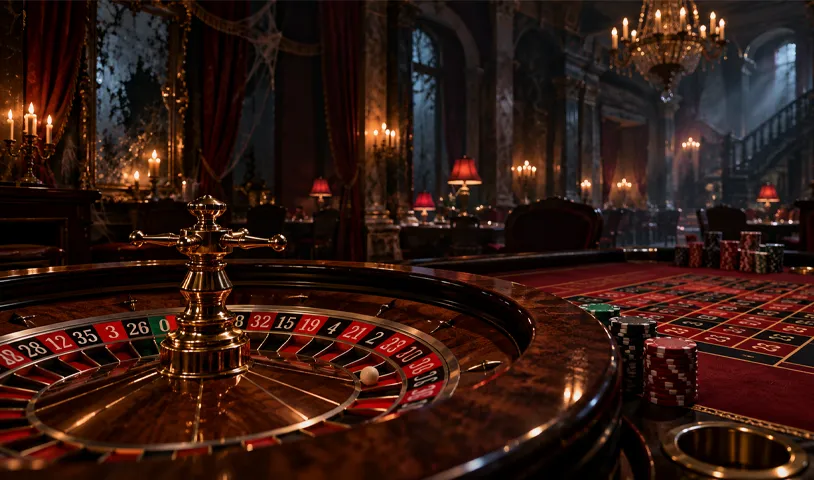
Roulette works well in horror because it’s suspense stretched into seconds. In films like 13 Tzameti (2005) and The Deer Hunter (1978), Russian roulette becomes the ultimate gamble, with survival decided by chance. The drawn-out silence before the trigger is pulled mirrors the wait for a roulette wheel to stop spinning. Audiences today can relate even more because roulette isn’t only a casino-floor image anymore. It’s familiar through online roulette games, which have made that tense spin part of everyday entertainment. Horror films tap into that shared experience, using the same rhythm of anticipation before unleashing the shock.
Casinos Turned into Traps
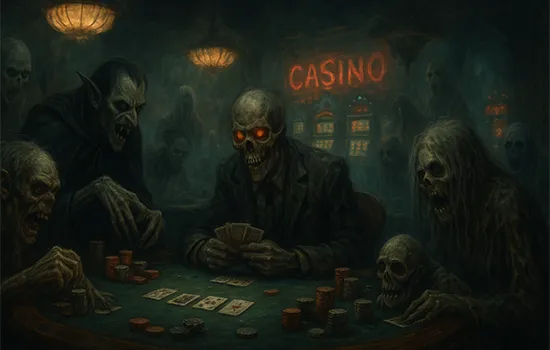
Casinos themselves can be terrifying. Leprechaun 3 (1995) uses Las Vegas wishes and cursed coins to punish greedy gamblers, twisting wins into nasty surprises. Army of the Dead (2021) goes bigger: a quarantine-walled Vegas heist where the “payout” sits behind a vault and the cost is lives. Casinos promise control, but luck rules the room, and horror strips away the neon to show how quickly dreams turn into debts. When chips, coins, and vaults stand in for hope, the setting becomes a haunted arena: bright lights on the outside, cold odds underneath. The showroom glow hides a rigged feeling underneath it.
Why the Trope Sticks
This trope works because it builds clear tension. You know the stake, the rule, and the risk, then you wait. That pause turns every spin, card flip, or dare into a little cliff-hanger. Psychology helps explain it: near-misses can spike the urge to keep playing, even though each spin stays independent. Horror borrows that feeling to raise heart rates without cheap tricks. Add moral choices and money stress, and characters talk themselves into “one more round.” Viewers recognise the slide, shout at the screen, and still lean in, because the next reveal might save someone, or cost everything. That’s why it endures.