
My Heart Can’t Beat Unless You Tell It To (2020) Review
- Horror Film Reviews Psychological Vampires
 Darren Gaskell
- 0
- 7 minutes read
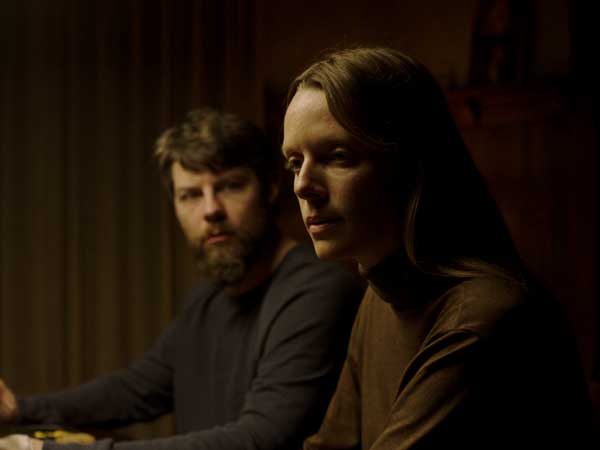
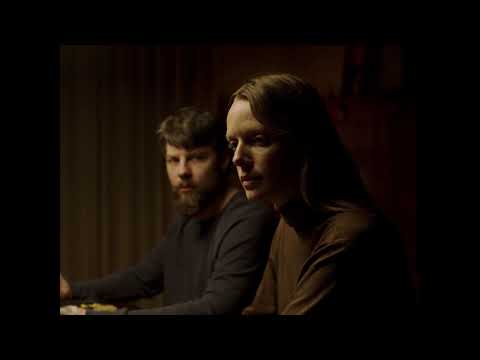
Siblings Dwight (Patrick Fugit) and Jessie (Ingrid Sophie Schram) care for their frail younger brother Thomas (Owen Campbell) by keeping him fed on a diet of lifegiving blood, procured by means of kidnapping and then murdering those on the fringes of society who, as Sophie chillingly states at one point, “won’t be missed”. As Dwight begins to lose his taste for the crimes he has to commit and longs to leave for pastures new, the strain on this strange trio is pushed towards breaking point.
One of the standout titles at last year’s Celluloid Screams festival and now making its bow to a wider audience, My Heart Can’t Beat Unless You Tell It To has both a title and a grisly, powerful central dynamic to chew upon. Writer/director Jonathan Cuartas sets out the movie’s stall from its opening sequence, an oblique, ominous few minutes in which Dwight paints himself as an initially friendly presence to a homeless man, indulging in conversation and promising him shelter before braining him with a bat.
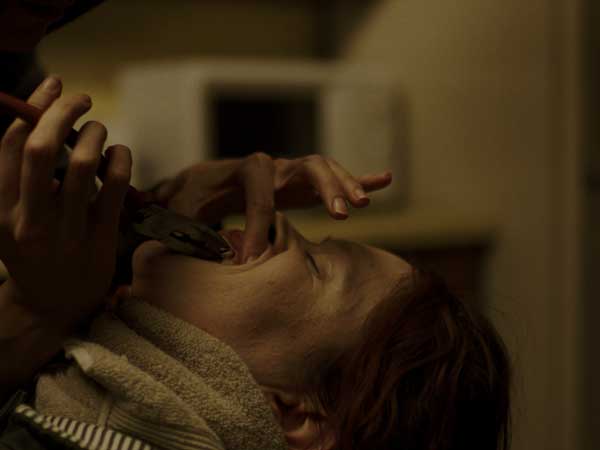
From there, the relationship between our three main protagonists is firmly, confidently established as the first act sees their day-to-day home life play out. There’s a clear contrast between the obvious love in the household and the dreadful acts which must be committed in order to maintain those bonds. It’s an environment which is incredibly fragile, fraught with the danger of discovery and ultimate destruction every time Dwight needs to top up Thomas’ blood supply.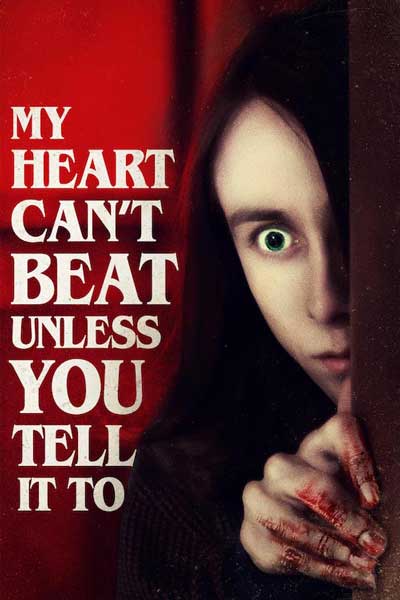
Dwight understands his place within this family unit but he also longs to escape, his liaisons with a kind local prostitute and postcards of locations he dreams of visiting a welcome respite from a home life which is often grinding and suffocating.
Jessie is the one who’s the most committed to the cause, unwilling to let any stranger in both literally and emotionally, keeping Dwight on the rails while home schooling Thomas.
Coping with Dwight’s steadily dwindling resolve to source new victims and Thomas’ increasing enthusiasm to see more of the world outside, Jessie throws all of her formidable energy into holding the fracturing household together but there’s a feeling that something is inevitably going to give and even the brief moments of joy are shot through with the realisation that all roads will lead to tragedy.
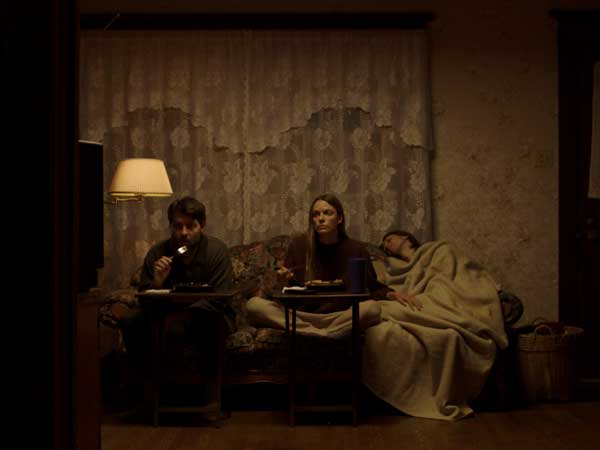
The homestead is as full of contradictions as the existences – and make no mistake, these people are merely existing – of its protagonists. Christmas is celebrated in April and more than likely for the rest of the year too. Musical guessing games and karaoke provide amusement just yards away from where random unfortunates are regularly exsanguinated.
This is carried out in as cold blooded a manner as possible and it’s clear that Dwight and Jessie are used to the process but that doesn’t stop them from making mistakes. Neither are efficient killing machines and they’re always trying to push their distaste for murder deep down in their psyches. There’s no diabolical master plan here other than keeping Thomas alive.
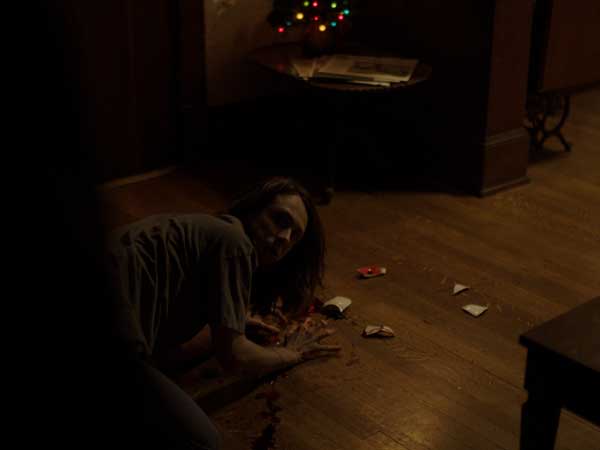
For a movie which is predicated on so much blood, there’s an admirable restraint in the way it’s spilled. That isn’t to say that you won’t squirm during some of the film’s more disturbing sequences. The violence is grimy, desperate and downbeat, resolutely unexploitative but also nauseatingly brutal. The unblinking way in which those scenes are shot makes the viewer feel they’re just a few paces away, almost an unwilling participant as they’re forced to watch these terrible acts unfold.
In keeping with some other modern takes on the classic template, this film studiously avoids the use of the v-word although there are a few pleasing nods to the overarching lore which hark back to the familiar touchstones of the genre without being blatantly obvious. It’s also quite possible to ignore those and take the movie as a study of those on the fringes of society, destroying each other out of sight of the “normal” world and allowed to do whatever it takes to survive as long as it doesn’t affect anyone who’s seen to matter.
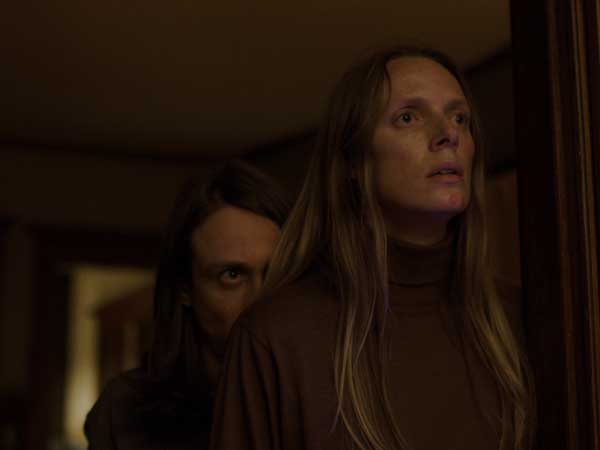
It’s also a wonderful study of family ties and the complex dynamics which exist between siblings, it’s an intense, heart breaking drama about being trapped in a situation which seems to have only one exit and it’s also a damn good horror film. The fact that My Heart Can’t Beat Unless You Tell It To works so well on all of these levels makes it something incredibly special and the fact that this is Jonathan Cuartas’ feature debut speaks volumes of his talent.
The brilliant cast elevates the proceedings even further. If the performances here belonged to a more mainstream movie you would be hearing about them far and wide and if the central trio’s work were to slip under the radar then then would be a huge injustice. In a film which spends most of its time being as low-key as possible, it would seem odd to refer to the acting as dazzling but that’s exactly what it is because it’s so acutely judged and each player complements the others perfectly.
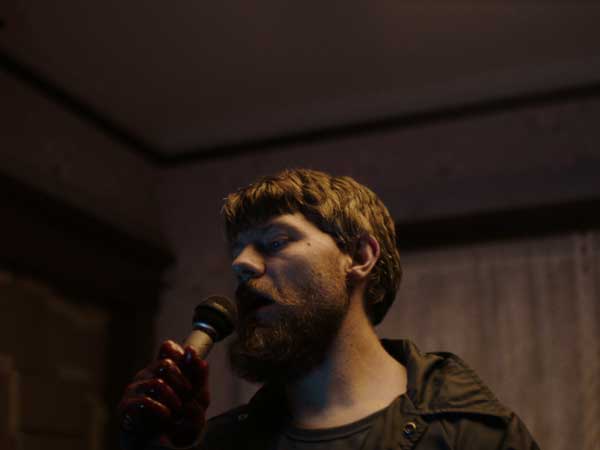
My Heart Can’t Beat Unless You Tell It To is an absolute stunner, a grim gem which shows just how far people will go in the name of love. With stellar turns from Fugit, Schram and Campbell, this is a film which is almost unbearably dark in places but it’s also oddly lyrical and beautiful, resisting the temptation to judge the actions of its characters and allowing the audience to draw their own conclusions. Five stars, without question.
Read our interview with Jonathan Cuartas HERE
Movie Rating: 
Trailer: