
Exclusive interview with Aneurin Barnard on ‘Past Life’
- Interview
William Knowles
- 0
- 7 minutes read
Welsh actor Aneurin Barnard leads the cast of Past Life as Jason, a journalist whose relentless search for the truth plunges him into a disturbing psychological mystery. Known for roles in Dunkirk, The White Queen, and 1899, Barnard brings a complex intensity to the part, exploring themes of loyalty, manipulation and trauma.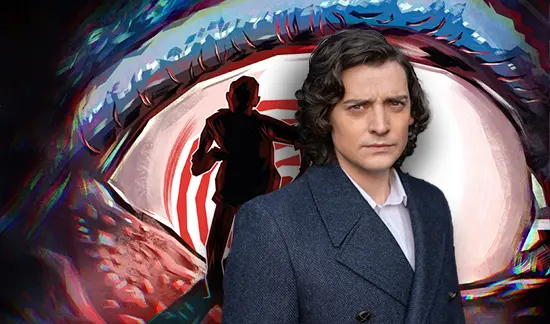
Past Life was the first feature showing at Grimmfest 2025. We caught up with Barnard ahead the film’s world premiere at Grimmfest to discuss Jason’s layered character, the lure of mind control as a dramatic theme, and how he navigates genre storytelling without losing emotional truth.
Exclusive interview with Aneurin Barnard on Past Life
William Knowles: So, you play Jason in the film. How would you describe your character in your own words?
Aneurin Barnard: A very good question — he’s very complex. Jason is someone who’s extremely loyal to his core values, whether that’s in his profession or his home life. That loyalty is also his downfall, and it creates huge problems for him that unfold throughout the story. His commitment is so raw that he exposes his soul to issues that ultimately get the better of him and haunt him – which is why this movie exists. At the end of the day, he’s a journalist. He wants to discover the truth and bring answers to light, which leads to his rather ridiculous circumstances.
He’s very complex, as you said. Was there any particular element of that complexity that drew you to the role, or was it more the culmination of everything?
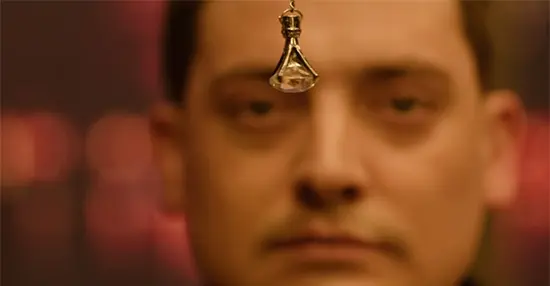
I think the element that really intrigued me was the manipulation of mind control. What is that? Does it exist? Do I believe in it? I’m still not sure. I do believe people can be very good at manipulating others’ souls, and if someone is as forgiving, open and willing to find the truth as Jason is, then maybe they’ll go down channels where they can be manipulated and taken advantage of. We’ve seen this throughout history, especially with certain serial killers who were extremely clever at playing the game, and I feel like Jason falls into that ballpark. Exploring that discovery was interesting and a real draw for me.
Looking more at hypnosis through sociological or political lenses as a form of control, do you think that makes the film more relevant to modern times?
Absolutely. Just look at the way social media is created and how those platforms operate. You only have to click on one thing on Facebook, and then you’ll see the same kind of content over and over again – the same applies to Instagram, Snapchat, TikTok, whatever you use. Those systems are already in place. The “Skynet” of it all, the brain working out what an individual wants to see, is fully operational. If a human is able to do the same thing – to identify the same buttons to press to create a reaction in someone else – then it’s fair game.
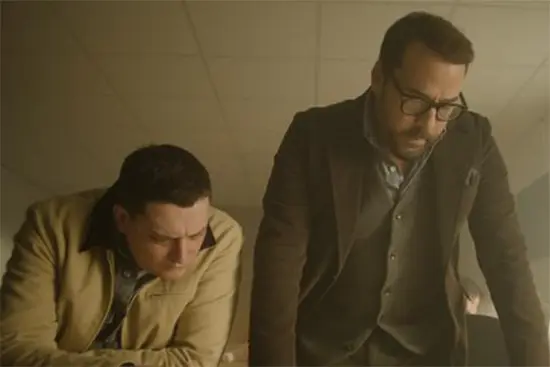
Going along your character’s journey, were there any struggles you encountered, whether emotional or more practical?
Not really struggles, because when I take on a role, I know what I’m signing up for. I actually love it when things are more difficult, abrasive or challenging. Put me in deep water, boots on, chain me up and let me drown, that’s where I like to be, because that’s where things get creative and interesting.
For me, the priority is always finding the truth in it all. With a genre like this, that can be difficult, because you’re playing a role within a cinematic world rather than something completely naturalistic. Finding that transition is the real challenge.
Does working within those stricter genre stylings influence your acting style – perhaps to exaggerate more?
I try not to. If I play the truth within whatever genre it is, hopefully the audience will connect with that. But if I “play the genre”, it suddenly turns into something very different, and it’s very easy for that to slide into comedy. Someone like Matt Berry is brilliant at flipping things like that on their head – or Flight of the Conchords, Monty Python. There were several moments on this shoot where it would have been so easy to make things comical. When tensions and drama are high, it’s easy to tip over.
For me, I always focus on the character – where he’s at, where he’s going and where he’s been – and leave the rest to the director, producers and editor.
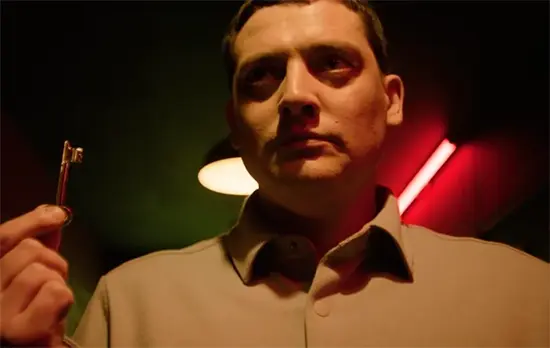
What’s the main thing you want the audience to take away from the film?
Just remember the beginning of the film. If you remember that, you’ll remember the term “I love somebody who was captured in Syria and witnessed extreme harm done to another, then came home to a world that’s supposed to be normal”. Think about how deeply traumatic that can be to a soul. The beginning really shows how that complexity unfolds, and if audiences hold on to that, the story will resonate even more.
Barnard’s thoughtful approach to Jason mirrors the film’s layered themes of loyalty, control and psychological unease. His commitment to grounding the performance in truth rather than genre exaggeration adds weight to Past Life’s twisting narrative, making his character’s journey all the more compelling.
If you weren’t lucky enough to catch the premiere at Grimmfest, be sure to catch Past Life as soon as you can.