5 Underappreciated Horror Films That Deserve a Second Look
- Horror Features
 Jasmine Clarke
- 0
- 11 minutes read
There’s no shortage of horror films that split the room. Some that critics scoff at while audiences swear by, or movies that get praised on release only to be picked apart years later in Twitter threads and YouTube video essays. Sometimes it’s the marketing. Sometimes it’s the expectations. Sometimes it’s just being ahead of its time. But for every genre-defining classic, there’s a misunderstood horror flick caught in the crossfire of hype and hate.
Today’s horror scene is full of strong opinions, and few films embody that love-it-or-loathe-it energy more than the five in this feature. From Sam Raimi’s bonkers Drag Me to Hell to the grief-soaked dread of The Babadook, these titles didn’t just divide audiences… in some cases they practically created new fan factions. Whether they were boxed in by mismarketing, dismissed as “elevated horror,” or simply too weird for the mainstream, each one has carved out a passionate following.

You might’ve skipped them. You might’ve dismissed them. But it’s time to take another look. Here are five polarizing horror films that are way better than their reputations suggest.
Drag Me to Hell (2009)
When Sam Raimi stepped away from superhero spectacle and returned to his horror roots with Drag Me to Hell, fans of The Evil Dead were ready for something wild, and that’s exactly what they got. The film centers on Christine Brown (Alison Lohman), a loan officer who denies an extension to an elderly woman and finds herself cursed by a vengeful spirit. What follows is a three-day descent into supernatural torment involving vomiting corpses, possessed animals, and a talking goat. Raimi goes full tilt with his signature style: gleefully grotesque practical effects, kinetic camera work, and that signature blend of slapstick and shock.

Drag Me to Hell holds a strong 92% rating on Rotten Tomatoes, and its cult status has only grown over the years. Fans love the film’s unapologetic energy and its commitment to being both utterly ridiculous and genuinely scary. It’s a rare horror movie that isn’t afraid to be gross and goofy in equal measure, and it shows Raimi at his most creatively unleashed.
That said, the film’s tonal rollercoaster isn’t for everyone. Some viewers couldn’t get past the cartoonish violence and exaggerated performances, finding the film more annoying than amusing. Despite critical acclaim, it was only a modest box office success, grossing just over $90 million worldwide – not bad, but not enough to launch a new franchise. For audiences expecting straight horror, its camp-infused chaos proved too jarring, and the morally uncompromising ending left some feeling more punished than entertained.
The Babadook (2014)
Jennifer Kent’s The Babadook arrived with a quiet, creeping dread that caught critics off guard and immediately set the horror world talking. Centering on a widowed mother, Amelia (Essie Davis), and her increasingly erratic young son, the film explores how unresolved grief and mental illness can manifest as monstrous presence, specifically in the form of a top-hatted, pale-skinned figure from a sinister pop-up book. The scares are psychological, slow-burning, and deeply symbolic, elevating it beyond traditional haunted house fare.
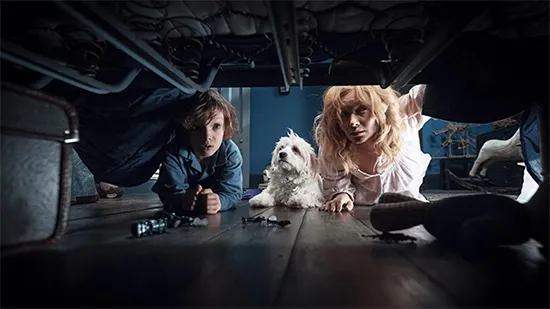
Critics were quick to hail The Babadook as a modern classic, giving it an impressive 98% on Rotten Tomatoes. Fans of more cerebral horror praised its mature themes and haunting performance from Davis, whose portrayal of a woman on the edge earned comparisons to Toni Collette’s turn in Hereditary. It quickly became a staple of “elevated horror” conversations and even earned unexpected cult status in LGBTQ+ communities, who embraced the Babadook as an unlikely queer icon.
On the other hand, The Babadook faced a notable backlash from genre fans who expected more traditional horror elements. Detractors complained that it was slow, emotionally heavy, and too abstract to be scary. Despite strong critical love, its indie origins and ambiguous storytelling alienated viewers who came in expecting a monster movie. Some also found the shrieking child character unbearable, distracting from the emotional core of the film.
It Follows (2014)
David Robert Mitchell’s It Follows hit the horror scene like a quiet fever dream—its unique premise immediately sparked debate. The film introduces a supernatural entity that relentlessly stalks its victims at a walking pace, passed from person to person through sexual contact. That idea alone earned it comparisons to classic 1980s slashers, but It Follows carves its own space with its dreamlike cinematography, unsettling sound design, and unnerving sense of timelessness. Set in a world where technology is vague and fashion is out of sync, it feels like a half-remembered nightmare you can’t shake.

With a 95% Rotten Tomatoes rating, critics celebrated It Follows as a breath of fresh air in a genre saturated with remakes and jump scares. Its chillingly simple concept, gorgeous visual style, and synth-heavy score by Disasterpeace drew praise from horror aficionados and arthouse fans alike. For many, it was an intelligent, modern urban legend – a metaphor for STDs, adolescence, or mortality, depending on who you ask.
But as with any horror film that leans into ambiguity, It Follows drew plenty of criticism too. Some viewers found the rules of the curse too vague or inconsistent, which undercut the suspense. Others thought it was all style, no substance, and too slow to deliver any real scares. Even among fans, the ending was divisive. Was it ambiguous genius or just unresolved? Either way, it sparked conversation, and that’s something even the most straightforward horror flicks rarely do.
Evil Dead Rise (2023)
Evil Dead Rise takes the franchise’s blood-soaked legacy and splatters it across an entirely new setting: a condemned Los Angeles apartment building. Directed by Lee Cronin, this installment veers away from the woods-and-cabins formula and drops the Necronomicon into the middle of a fractured urban family. When a single mother becomes possessed by a Deadite, her sister must fight to protect the kids in a claustrophobic siege that feels like The Shining meets Demons 2. It’s brutal, relentless, and unrepentantly gory.

With an 84% on Rotten Tomatoes and solid box office success (raking in over $146 million worldwide), critics largely embraced Evil Dead Rise as a successful reinvention. Fans praised Alyssa Sutherland’s unforgettable performance as the possessed mother, delivering nightmarish line deliveries and physicality that could hold her own against classic franchise villainy. It kept the franchise’s splattercore spirit alive while injecting emotional stakes that gave the carnage real weight.
That said, the tonal shift wasn’t for everyone. Hardcore fans of Raimi’s loopy, Three Stooges-meets-hell energy missed the humor and cartoonish madness that defined earlier entries. Others felt it leaned too hard into modern horror tropes and took itself too seriously. There’s also been some fatigue among audiences toward franchise reboots. So while Evil Dead Rise brought new blood, it couldn’t escape comparisons to the irreverent originals.
Lake Mungo (2008)
A slow-burn Australian horror film that never got the wide release it deserved, Lake Mungo is the kind of ghost story that doesn’t scream… it whispers. Framed as a documentary, it follows a grieving family after the drowning of their teenage daughter, Alice. As strange footage and revelations emerge, the film shifts from a mystery into something much more chilling and intimate. There are no jump scares, no monstrous entities, just a growing sense that something is deeply wrong.

Despite its limited reach, Lake Mungo has quietly become one of the most respected entries in psychological horror, with a Rotten Tomatoes score of 95%. It’s earned praise for its devastating portrayal of grief and the way it uses found-footage realism to lull viewers into a false sense of security. The film’s final act, particularly a lingering photo that reveals more than anyone wants to see, cements it as one of the genre’s most haunting slow reveals.
Still, its documentary format and understated tone have divided audiences. Viewers expecting a traditional ghost story or more overt scares might find it too quiet, too slow, or too subtle. It requires patience and attention, and doesn’t offer the cathartic payoffs more mainstream horror fans might be looking for. But for those who click with it, Lake Mungo is one of those horrors that lingers in the mind for years.
So there are our suggestions for under-rated or underappreciated horror films. What’s your take on these movies? And can you think of any others that leave audiences divided?