
The True Story Behind Leatherface in ‘The Texas Chainsaw Massacre’
- Horror Features
 Jasmine Clarke
- 0
- 8 minutes read
As we celebrate the 50th anniversary of Tobe Hooper’s seminal horror film, The Texas Chainsaw Massacre, it’s the perfect time to delve into the chilling true story that inspired its infamous villain, Leatherface. This feature explores the gruesome crimes of Ed Gein, the real-life monster whose heinous acts in the 1950s shocked the world and laid the groundwork for one of horror’s most enduring icons.

Leatherface – pillar of horror cinema
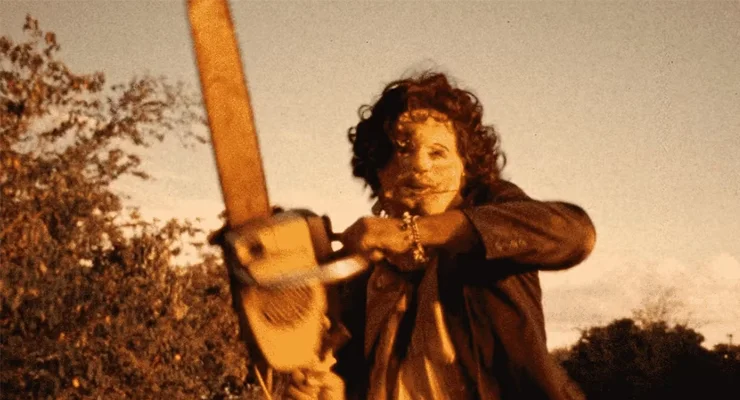
When The Texas Chainsaw Massacre was released in 1974, it didn’t just premiere in theatres; it tore through the cultural landscape like Leatherface’s chainsaw through flesh. Made on a shoestring budget, the film’s gritty realism and unrelenting tension set it apart from the more polished horror movies of the time. Audiences were unprepared for the visceral experience that Hooper delivered—a film that felt disturbingly real, as if it could be happening just down the road.
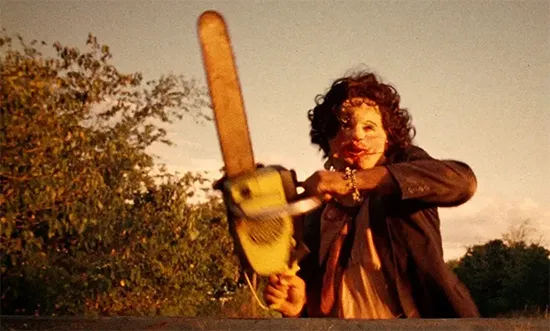
The film’s impact was immediate and profound. Despite—or perhaps because of—its raw brutality, The Texas Chainsaw Massacre became a runaway success. It grossed over $30 million at the box office, an astonishing return on its modest investment. Critics were sharply divided; some hailed it as a masterpiece of horror cinema, while others condemned it as exploitative and excessively violent. This controversy only fueled its notoriety, drawing curious viewers eager to see what the fuss was about.
The Real Leatherface: Ed Gein
Ed Gein’s life was marked by a series of tragic and disturbing events that culminated in a spree of horrifying crimes. Born on August 27, 1906, in La Crosse County, Wisconsin, Gein grew up in a troubled household. His father, an alcoholic, and his mother, Augusta, a fanatically religious woman, created a toxic environment that profoundly affected Gein’s psyche.

Augusta’s dominance and extreme religious beliefs isolated Ed and his brother Henry from the outside world. She preached that all women (except herself) were instruments of the devil, instilling in Ed a deep-seated fear and hatred of women. This isolation and indoctrination set the stage for the macabre behaviours that would later horrify a nation. Some would even go as far as to say he was ‘the real Leatherface’.
A Descent into Madness
The death of Gein’s father in 1940 was followed by a mysterious fire in 1944 that claimed the life of his brother Henry. Though Henry’s death was officially deemed accidental, the circumstances were suspicious, with bruises found on his head. Following his brother’s death, Ed lived alone with his mother, who suffered a debilitating stroke shortly thereafter. When Augusta died in 1945, Ed was left utterly alone, having lost the one person he both loved and feared the most.
In the years following his mother’s death, Gein began to delve into his morbid fascinations. He made frequent nocturnal visits to local graveyards, exhuming the bodies of recently buried women who resembled his mother. Gein later admitted to making as many as 40 such visits between 1947 and 1952, often leaving empty-handed but occasionally taking remains home to craft into gruesome artefacts.
The Horrors Unearthed
Gein’s activities came to light on November 16, 1957, following the disappearance of Plainfield hardware store owner Bernice Worden. Her son, Deputy Sheriff Frank Worden, reported her missing, and evidence quickly pointed to Gein. A search of Gein’s farm revealed the shocking truth: Bernice Worden’s decapitated body was found hanging in a shed, dressed out like a deer. This grisly discovery was only the beginning.
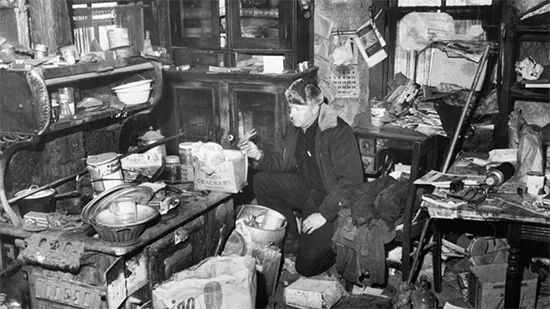
As authorities continued their search, they uncovered a house of horrors filled with items fashioned from human remains. Among the ghastly finds were a wastebasket made of skin, human bones, skulls mounted on bedposts, and masks made from the faces of corpses. The gruesome inventory included:
- A corset made from a female torso
- Chairs upholstered in human skin
- Bowls crafted from skulls
- A belt adorned with female nipples
- Nine vulvas stored in a shoebox
- A lampshade made from human skin
Gein also admitted to the murder of tavern keeper Mary Hogan, whose face he had turned into a mask.
The Psychological Profile
Gein’s crimes were driven by a profound psychological disturbance. He was diagnosed with schizophrenia and deemed unfit for trial due to his mental state. He was committed to a state hospital for the criminally insane, where he remained until his death in 1984. Gein’s case provided a chilling insight into the human capacity for depravity, particularly when shaped by a traumatic upbringing and severe mental illness.

Leatherface – from Reality to Horror Icon
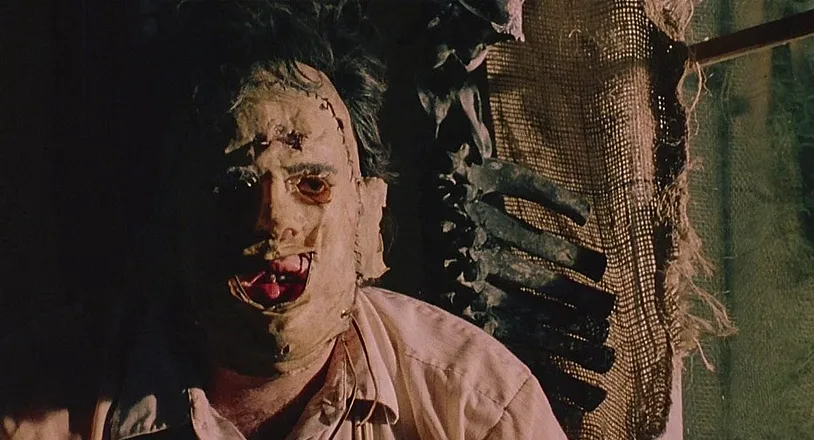
Tobe Hooper’s The Texas Chainsaw Massacre transformed Gein’s gruesome legacy into a cinematic nightmare. Leatherface, the film’s chainsaw-wielding antagonist, is a direct nod to Gein’s habit of wearing masks made from human skin. However, Hooper’s film took liberties with the story, relocating the horror to rural Texas and imagining a family of cannibals.
The film’s raw, unfiltered horror, combined with its low-budget aesthetic, created a sense of realism that resonated deeply with audiences. Leatherface became an iconic figure in the horror genre, embodying the ultimate fear of the unknown and the monstrous potential lurking in isolated corners of society.
The Enduring Legacy of Leatherface
Half a century later, The Texas Chainsaw Massacre remains a cornerstone of horror cinema. Its influence can be seen in numerous films and TV shows that followed, from Halloween to American Horror Story. Leatherface’s chilling presence continues to haunt the nightmares of horror fans worldwide, a testament to the lasting impact of Ed Gein’s real-life atrocities.
So was Leatherface real? As we look back on 50 years of The Texas Chainsaw Massacre, we are reminded that the most terrifying stories often have roots in reality. Ed Gein’s gruesome crimes and the psychological torment that drove him serve as a dark reminder of the human capacity for evil. In celebrating this cinematic milestone, we also acknowledge the real-life horrors that inspired it, ensuring that the legacy of Leatherface endures for generations to come.
The Texas Chainsaw Massacre trailer