
The Living Legends of Filipino Folklore: Why Ancient Stories Still Shape Modern Play
- Gaming
The Templar
- 0
- 6 minutes read
Filipino folklore vibrates with vitality. It’s ancient, yes – even older than the Spanish galleons that once crossed the Pacific – but it breathes in stories, games, and even jokes.
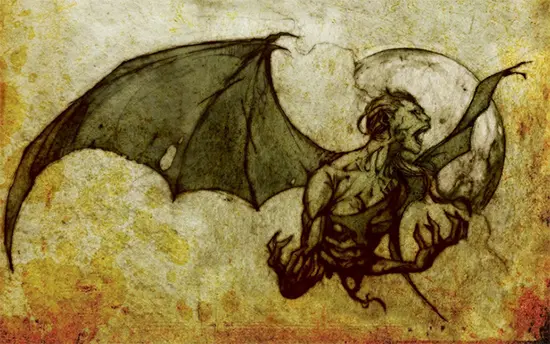
You’ll find its fingerprints on everything from the eerie tales whispered on provincial nights to the sly humour in Manila’s bustling streets.
Famous examples include the White Lady residing in the stretch of Balete Drive in Quezon City and the restless shadows occupying Corregidor Island in Cavite City.
But to understand Filipino culture and folklore, you don’t look to history books – you listen to the stories that refuse to die.
The World Before the World
Before the islands had electricity, TikTok, or even their current names, there were stories – epic, sprawling myths told by firelight and spread from elder to younger by oral tradition.
But these tales weren’t just entertainment. They were the first moral code, the first science, and the first laws.
For instance, the Tagalog spoke of Bathala, the supreme creator who ruled over the sky and everything beneath it. In the south, the Visayans told of Kan-Laon, the volcano goddess who shaped both land and fate.
The Bicolanos revered the Gugurang, a god guarding the sacred fire, forever battling his brother Asuang, yes, the same demonic archetype that would inspire countless aswang tales later on.
Every region had its deities and demons and its heroes and fools. And each myth served the same purpose: to explain the unexplainable and give meaning to a chaotic world.
Monsters, Morals, and Midnight Whispers
Folklore was the Philippines’ first school of psychology. Every creature lurking in the shadows represented something hidden in the crevices of the human psyche.
For example, the aswang warned villagers about strangers; the tikbalang, with its horse head and trickster grin, reminded travellers not to stray from the path; and the kapre, ever perched in a smoking balete tree, symbolised both fear of the unknown and respect for nature’s mysteries.
Then there’s Maria Makiling, the elusive mountain guardian—equal parts divine muse and symbol of unrequited love. She taught that beauty, like nature, isn’t something you can possess—and that forcing things to bend your way has dire consequences.
The magic of these stories lies in their elasticity. They stretch across centuries and still feel relevant.
For the sceptics, or simply fans of the macabre and eldritch, the aswang isn’t just a monster anymore—it’s a metaphor for deceit, greed, and corruption.
Likewise, the tikbalang is the embodiment of life’s detours. And Maria Makiling? She’s every lost love that turns into art—a pain channelled into creation and alchemy.
Folklore as Cultural Glue
Filipino folklore may be as old as time, but it isn’t a relic. It is a connective tissue, binding the Ilocanos of the north to the Tausugs of the south and the city kid to the provincial elder.
Despite the digital revolution, these stories persist because they speak to something primal in people.
Such persistence is why horror movies featuring white ladies and the manananggal still dominate Philippine cinemas all year round. It’s why barangay kids whisper ghost stories after curfew.
And it’s why even the most sceptical among us hesitate before cutting down an old tree out of fear of spurring the wrath of the kapre, or engkanto, that lives there.
The supernatural in the Filipino psyche isn’t superstition. It’s memory—the residue of a thousand campfires and a million fears passed down like heirlooms.
When the Old Meets the New
Strangely enough, folklore has found new ways to survive—not in parchment, but in pixels. Mythological characters now appear in comics, video games, and even web series. Artists reinvent them, giving them modern voices while preserving their ancestral essence.
In a world engrossed with novelty and instant gratification, Filipino folklore remains a quiet rebellion against forgetting.
It invites reflection, forces imagination, and reminds Filipinos that their roots run deeper than the Wi-Fi signal.
It even seeps into places you’d least expect—casual games, social spaces, and digital pastimes where strategy meets chance.
Somewhere between a hand of cards and a clever bluff, the echoes of Tongits and folklore both admonish players that every move carries an untold story and an unseen spirit of play inherited from generations before.
Lessons Carved in Myth
Every duwende in the garden, every whispering wind through the balete, carries the same moral code the elders used to preach: respect nature, honour family, beware pride, trust kindness.
In a country constantly reinventing itself—politically, socially, and technologically—these old truths feel like anchors. They keep Filipinos from drifting too far from their mythical identity.
When you strip away the Wi-Fi routers, smartphones, and imported pop culture, what remains is the same heartbeat that echoed through pre-colonial villages: a love of story, a reverence for mystery, and a belief that life is never just what it seems.
Keeping the Flames Alive
The greatest danger to folklore isn’t modernity—it’s apathy. The stories fade when they stop being told.
Yet there’s hope. Filipino creators are reimagining folklore in podcasts, graphic novels, and digital art. Teachers integrate myths into lessons. Parents still warn their kids not to whistle at night, just in case.
As long as someone is willing to ask, “What’s that sound?” or “Who’s there?”, the old spooky stories will live.
Because folklore, like faith and play, doesn’t die—it transforms.
And somewhere, in the laughter of players, in the rhythm of daily life, and in the quiet superstition before a bold move, the old spirits still linger, watching, amused, as we retell their stories in our own modern ways.