Fear and Fun: The Psychology of Horror Games and the Evolution of Online Play
- Gaming
The Templar
- 0
- 10 minutes read
Fear has always been a central element of human experience, influencing art, literature, and modern entertainment. In the digital era, horror games have transformed this primal emotion into an interactive experience that allows players to face fear in a controlled, safe environment. From eerie sound design to unpredictable narratives, these games challenge the limits of comfort while offering a unique thrill that many find deeply engaging.
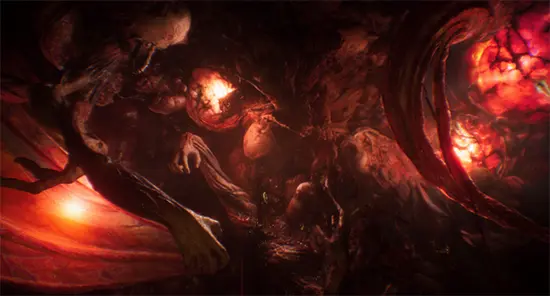
While horror is primarily about emotional intensity, it also shares similarities with other forms of interactive entertainment where suspense, chance, and anticipation play key roles — including online gaming platforms that feature skill, risk, and reward-based systems. For example, many users engage with platforms offering free sweepstakes games, where participation and outcomes are determined by chance, echoing the same psychological tension that horror titles evoke.
This article explores how the intersection of fear, design, and psychology shapes player behavior, and how innovations in technology continue to blur the lines between horror, casual play, and online entertainment.
The Evolution of the Horror Game Genre
The genre of horror gaming has undergone dramatic transformations since its inception. Early titles relied heavily on atmosphere and imagination, while modern versions leverage high-definition graphics, immersive sound, and artificial intelligence to heighten realism.
| Era | Example | Key Innovation | Player Experience |
| 1980s–1990s | Early pixel horrors | Minimal visuals, text-based fear | Imagination-driven tension |
| 2000s | Survival horror boom | Cinematic storytelling, resource scarcity | Strategic and psychological fear |
| 2020s | VR and indie horror | Immersive realism, AI unpredictability | Deep emotional and sensory engagement |
These innovations reflect not only technological progress but also a growing understanding of human psychology. Modern horror developers design tension through pacing, randomness, and uncertainty — the same design logic found in other digital entertainment systems that rely on anticipation as a key motivator.
Why People Enjoy Being Scared: The Psychology Behind Fear
Psychologists often describe fear-based entertainment as a paradox. People instinctively avoid real danger, yet seek out simulated fear for enjoyment. The explanation lies in the “safe fear” theory: horror games create an environment where the brain experiences adrenaline, but the player remains in control.
When people engage in fear-driven activities, they experience physiological arousal — increased heart rate, heightened focus, and a surge of dopamine once the danger is overcome. This neurological reward mirrors the emotional rollercoaster found in risk-driven entertainment such as strategy-based or chance-based gaming.
Fear, in this sense, becomes a mechanism for emotional release and mastery. By conquering virtual fear, players gain a sense of control over anxiety — a psychological payoff similar to mastering unpredictability in other forms of online play.
From Fear to Fortune: The Shared Mechanics of Horror and Online Casino Games
While the subjects differ, both horror and risk-based online games operate on similar emotional mechanics. They engage users through anticipation, uncertainty, and the promise of resolution.
Both genres rely heavily on randomized outcomes, visual cues, and sensory immersion to maintain player engagement. A sudden jump scare in a horror title and the suspense of waiting for a result in an online slot share the same core element — unpredictability.
| Psychological Trigger | Horror Game Example | Comparable Online Mechanic | Player Response |
| Anticipation | Creeping hallway tension | Reel spin animation | Heightened alertness |
| Uncertainty | Random monster encounters | Random number generation | Increased focus |
| Reward | Surviving or progressing | Winning a round or prize | Dopamine release |
In both cases, users are motivated by cycles of tension and release. The pleasure derived from “not knowing” and the satisfaction of “overcoming uncertainty” are fundamental across digital gaming formats.
Free Access and Digital Democratization: The Growth of Free Horror Games
The accessibility of free horror games has significantly expanded the genre’s audience. Browser-based and mobile horror titles allow players to experience short, intense scenarios without costly hardware or purchases.
This democratization of access has paralleled the growth of free games online in general, where users engage in diverse forms of play for entertainment, skill, or curiosity. However, accessibility also introduces new challenges — including quality control, data privacy, and age-appropriate content moderation.
| Platform Type | Example Features | Accessibility Level |
| Browser-based games | Instant play, minimal installation | High |
| Mobile horror apps | Sensor-based gameplay | Medium |
| VR platforms | Full immersion | Lower, due to equipment cost |
Free-to-play models encourage experimentation but rely on user retention and engagement rather than direct monetization. This shift has made horror, once a niche genre, one of the most dynamic segments of the gaming ecosystem.
Innovation in Online Entertainment: The Role of Technology
Technological advancement continues to reshape the emotional and structural design of digital entertainment. Artificial intelligence allows adaptive horror — where the game learns a player’s behavior and adjusts its scares accordingly.
Similarly, random number generators (RNGs) and blockchain verification systems have been integrated into online games of chance to ensure fairness and unpredictability. In both environments, transparency and player trust are crucial, and developers increasingly use technology to verify randomness and fairness.
| Technology | Application in Horror Games | Application in Online Entertainment |
| AI Systems | Adaptive fear mechanics | Dynamic outcome generation |
| VR/AR | Full sensory immersion | Virtual live environments |
| Blockchain | Proof of ownership of digital assets | Provably fair algorithms |
The convergence of these technologies highlights how emotional engagement, security, and transparency are shared priorities across digital industries.
Risk, Reward, and Responsibility
As interactive entertainment continues to evolve, the lines between enjoyment, risk, and responsibility grow increasingly complex. While games are designed for engagement, players must remain aware of their psychological and time investments.
Developers and regulators emphasize responsible gambling principles to ensure that platforms built on risk or chance prioritize user safety and transparency. Similarly, horror game developers often implement warning systems and customizable difficulty to ensure accessibility without excessive distress.
These measures reflect a broader cultural acknowledgment that emotional experiences — whether through fear or chance — should be approached consciously and safely.
Defining the “Best” Games: Subjectivity and Personal Engagement
Discussions about the best horror games or best online casino experiences are inherently subjective. What one player finds exhilarating, another may find overwhelming. Factors such as pacing, design, and thematic preference shape personal engagement.
In both genres, the sense of control — or deliberate loss of it — is what creates satisfaction. Some players enjoy being frightened; others seek the excitement of uncertain outcomes. Both rely on a delicate balance between structure and spontaneity.
The Cultural Connection Between Fear and Risk
Culturally, both horror and games of chance reflect humanity’s fascination with risk. Myths, stories, and modern entertainment have long used fear and uncertainty to explore morality, fate, and power.
Horror games modernize this relationship by giving players agency over the unknown. Similarly, online entertainment that includes risk mechanics lets players test luck and strategy within clear boundaries. Both demonstrate how digital culture continues to evolve around ancient instincts — curiosity, fear, and the desire for mastery over chaos.
The Future of Interactive Fear and Chance
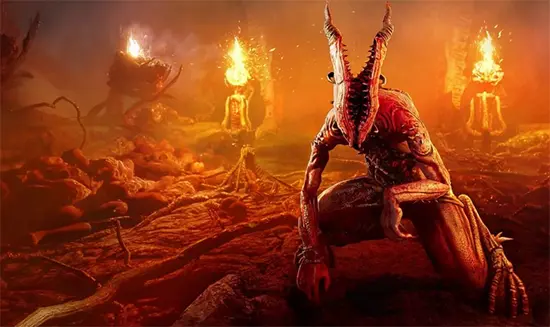
The evolution of horror games and online entertainment demonstrates how digital design channels human emotion into structured, repeatable experiences. Whether through fear or anticipation, players continually seek new ways to engage their senses and emotions safely.
The next decade will likely see greater integration of immersive technologies, psychological insights, and fairness protocols, ensuring that these forms of play remain not only captivating but transparent and ethically structured.
Both horror and risk-based games remind us that the thrill of uncertainty — whether it takes the shape of fear or fortune — remains one of the most powerful motivators in human entertainment.