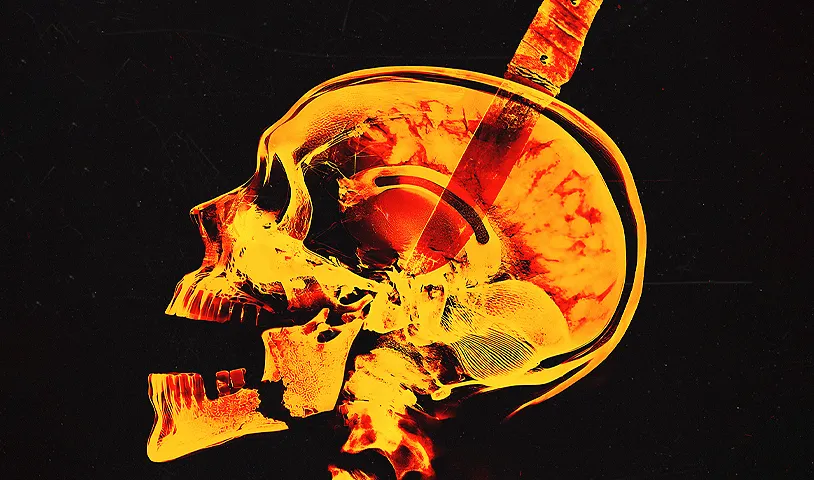

Drag (2026) Review
- Horror Film Reviews Thriller
 Tom Atkinson
- 0
- 5 minutes read
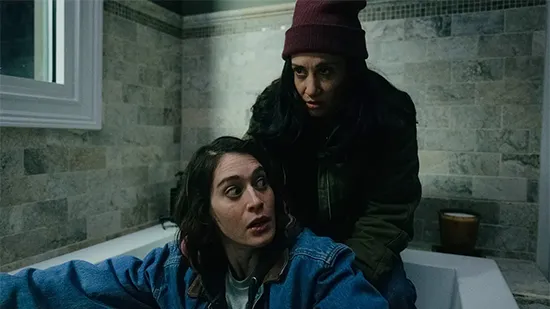
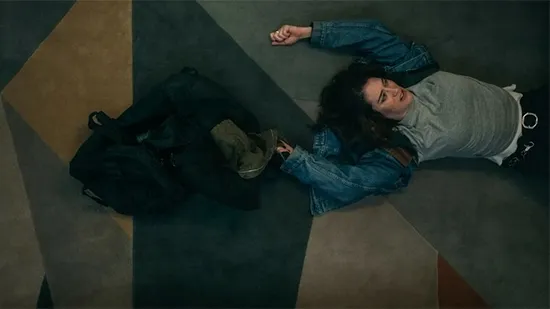
Back pain is hardly cinematic. It doesn’t explode, chase anybody down a corridor or summon demons. Mostly, it makes standing up difficult and turns getting into a car into an ordeal. It was a surprise then, that back pain is a central feature of comedy-thriller/horror Drag. The film finds a way to weaponise the vertebral indignity, trapping Lizzy Caplan on the floor of a stranger’s house and asking just how much tension can be wrung from the simple fact that she can’t get up.
The answer, surprisingly, is quite a lot.
Caplan plays the more chaotic half of a sister act, a career criminal dragging her more responsible younger sibling, played by Lucy DeVito, into what should be a straightforward burglary. The house is remote, expensive and practically designed for stealth. But Caplan’s character throws out her back and the plan collapses with her. For a while after that event, Drag is essentially slapstick.
DeVito hauls her sister across polished floors, around furniture and down unforgiving staircases while Caplan, rigid with pain, reacts to each fresh collision with a mixture of fury and disbelief. The joke should wear thin, but it doesn’t. largely because the sisters’ bickering feels convincing enough to keep the physical comedy grounded in something recognisable. These are two women who have had the same arguments for years and now happen to be having them while one is being dragged by the ankles in the most compromising of situations.
It is then that the homeowner, John Stamos comes home. His arrival shifts the film into darker territory. He is an artist with charm, money and walls covered in distorted portraits of women. At first there is something slightly odd about him. Then the oddness becomes threatening, and eventually grotesque.
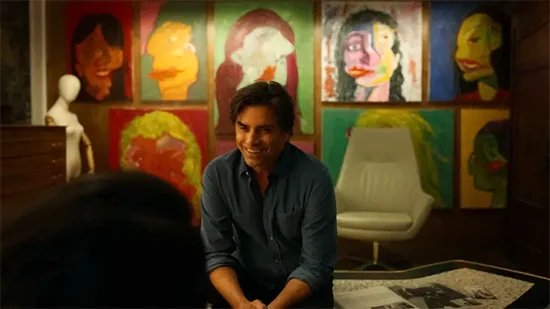
Stamos is clearly enjoying the chance to play against type. His genial surface remains, but there is something oily underneath it, and the contrast makes him far more unsettling than a straightforward monster would be. By the time he gets into his bizarre dance sequence, the film has fully committed to the idea that he is equal parts charming, amusing and terrifying.
Caplan remains the backbone (pun intended) of it all. She is asked to spend much of the running time physically compromised, but never lets that become a one-note gag. Pain, panic and sarcasm all sit together, and the fact that she is responsible for nearly every bad decision somehow makes her easier to root for.
DeVito has the less showy role, but her frustration gives the sibling dynamic much of its rhythm. She and Caplan bounce off each other’s delivery with enthusiasm. Christine Ko, as the homeowner’s date, adds another layer of unease once the sisters realise they are not the only people trapped in the house.
The modernist residential setting is all glass, clean lines and expensive surfaces, visually elegant but full of places to hide. That neatness becomes increasingly unpleasant as the violence escalates. Practical effects are used sparingly, but when Caplan’s often very creative injuries accumulate, they land.
Where Drag becomes trickier is in its tonal ambition. Raviv Ullman and Greg Yagolnitzer keep pushing the film beyond the original back-pain gimmick, which is admirable, but the result occasionally feels like two films joined together at the spine. The first half is buoyant, absurd and tightly controlled. The second is harsher, stranger and much more cynical. And that shift may leave some audiences with a bitter taste. There are also moments when the story seems determined to subvert expectation just because it can, and the finale pushes catharsis into something far more uncomfortable.
But, Caplan sells the humiliation. Stamos sells the menace. DeVito sells the sibling resentment. And the film keeps moving with confidence to the bitter end.
Drag is torturous, nasty and frequently very funny. It’s a single-location thriller that takes a ridiculous physical premise and stretches it far beyond the obvious joke. It may twist itself into awkward shapes, but there is enough wit, tension and sheer oddness to make the moments of discomfort worthwhile.
| Movie Rating: |   |