
Come Play (2020) Review
- Horror Film Reviews Monsters
 Tom Atkinson
- 0
- 4 minutes read
In the age of technology, where screens dominate our lives, the horror genre has found a way to tap into our deepest fears and explore the chilling consequences of our digital dependencies. Come Play (2020), directed by Jacob Chase, expertly intertwines the supernatural with the struggles of human connection, delivering a warm and unique horror experience that resonates on a deeply emotional level.
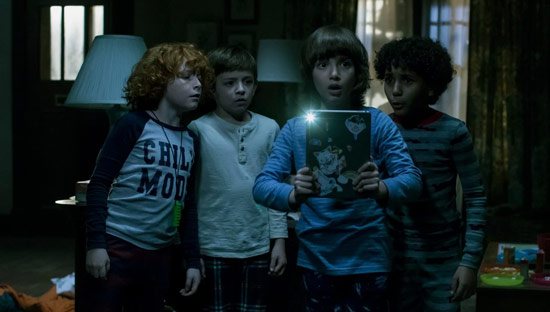
Come Play introduces us to Oliver (Azhy Robertson), an autistic young boy who seeks solace in his tablet, navigating a world that seems both enchanting and isolating. However, his virtual escape takes an unexpected turn when a mysterious creature named Larry invades his digital realm, and soon, his physical reality. As Oliver’s parents, Sarah (Gillian Jacobs) and Marty (John Gallagher Jr.), battle to protect their son from this otherworldly presence, the film delves into themes of loneliness, family bonds, and the profound yearning for genuine connection.
What sets Come Play apart from conventional horror films is its unyielding commitment to portraying the emotional intricacies of its characters. The screenplay strikes a perfect balance between supernatural scares and heartfelt storytelling, skillfully blending horror elements with authentic human experiences. The result is a film that feels refreshingly warm and deeply relatable.

At the heart of the film is Azhy Robertson’s extraordinary performance as Oliver. Robertson’s portrayal is both vulnerable and captivating, allowing the audience to experience the world through Oliver’s eyes. The film’s exploration of autism is handled with sensitivity and respect, shedding light on the challenges faced by individuals on the spectrum while also highlighting their unique perspectives. Oliver’s struggles with communication and his yearning for genuine connection transcend the horror elements, resonating with anyone who has ever felt like an outsider.
Gillian Jacobs and John Gallagher Jr. deliver compelling performances as Oliver’s parents, bringing a genuine sense of love and concern to their roles. Their characters undergo profound transformations throughout the film, grappling with their own demons while fighting to protect their son. It is through their journey that the film taps into the universal themes of parenthood, sacrifice, and the lengths we go to safeguard those we hold dear.
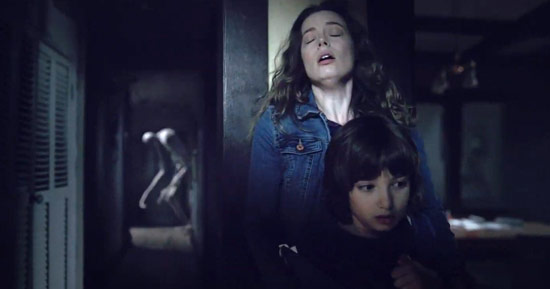
Director Jacob Chase skillfully creates an atmosphere of mounting tension, relying on suspenseful sequences rather than cheap jump scares. The haunting visuals and eerie sound design add to the film’s eerie ambiance, while the underlying sense of melancholy and longing injects an added layer of emotional depth. Chase’s choice to focus on the characters’ emotional journey elevates Come Play beyond its genre conventions, leaving a lasting impression that lingers even after the credits roll.
The mysterious and seemingly indomitable antagonist, Larry remains in the shadows for a majority of the film, making this unseen evil all the more terrifying. When we do catch a glimpse of his form it’s, bony, stretched and contorted like an elderly creature, though his use of language and desires are quite child-like.

Come Play is an exceptional horror film that transcends the boundaries of its genre, offering a warm and uniquely human experience. Through its exploration of loneliness, family bonds, and the power of connection, the film touches the heart while simultaneously sending powerful shivers down the spine.
| Movie Rating: |    |
Trailer: