
Exclusive interview: Charlie Robb
- Interview
 Peter Campbell
- 2
- 14 minutes read
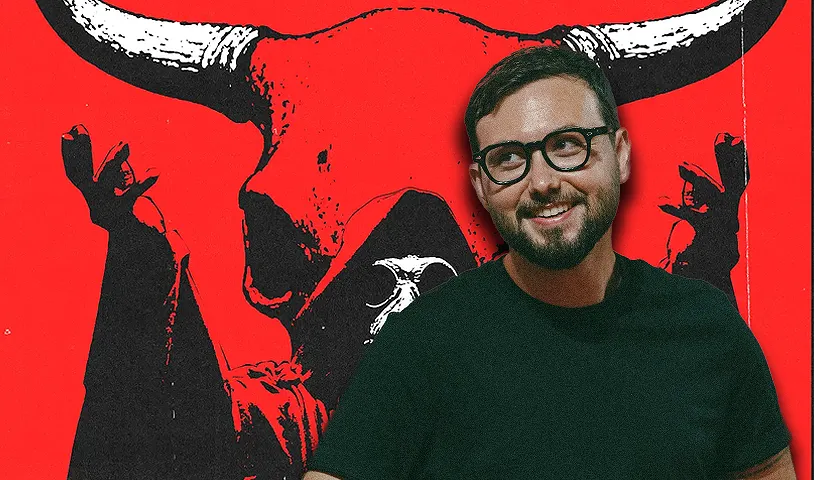
When Charlie Robb isn’t writing sharp, darkly absurdist comedy or exhibiting his artwork across the globe, he’s making films that slide effortlessly between the hilarious and the horrifying. With Loner, his feature directorial debut, co-directed with long-time collaborator Douglas Tawn, Robb delivers a striking survival horror story wrapped in self-deprecating humour, psychological unease, and a uniquely British blend of awkwardness and dread.
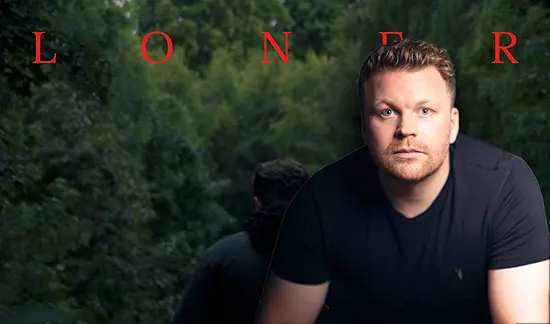
Premiering at the Black Sunday Film Festival on its final day, Loner follows aspiring vlogger Angus Mattock (played by Robb himself), who ventures into the remote wilderness to make nature content and ends up confronting a far older and more ominous presence. What begins as a cringe-comedy of self-delusion gradually morphs into something far darker, as the forest becomes both setting and antagonist.
Shot on a micro-budget with a skeleton crew, Loner showcases the power of DIY filmmaking at its most resourceful – complete with remote cave locations, a creepy-found-footage aesthetic, and a deep understanding of how character, tone, and environment can be leveraged to unsettling effect. Drawing from inspirations as wide-ranging as The Blair Witch Project, Alan Partridge, and The Zone of Interest, it’s a debut that feels distinctive, mischievous, and just a little bit cursed.
We caught up with Charlie to talk directing while acting, the mythology of the British wilderness, and what lies ahead for him and the ever-expanding world of ROBBTAWN.
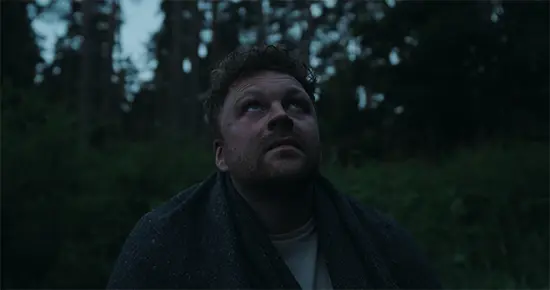
Exclusive interview: Charlie Robb, writer-director of Loner
1. Loner is your feature directorial debut – how did the idea of an aspiring vlogger trapped by a natural force first come to life, and what drew you to telling this kind of solitary survival horror story?
For a while myself and Doug Tawn, the co-director, had been toying with ideas that would blend found footage horror and the awkward, realistic and quite dark comedy of British TV we love – and the idea for Loner felt like a natural fit. In the age of vlogging, streaming, whatever you want to call it, there are individuals who charge out into the unknown only thinking about their image and not the world around them, or its consequences. This was the root of the idea for a film that leant into a modern found footage perspective, where the creator totally isolates themselves, oblivious of the danger and the greater, older presence they were walking into. It just seemed like both a comedic and horrific offering to us.
2. The film blends horror, dark comedy, and psychological tension in a uniquely British way. How did your background in comedy and live theatre help shape the tone and rhythm of Loner?
Having written and performed a lot of sketch shows and plays with Doug, we always took our comedy to dark places, and have always been inspired by horror cinema. The League of Gentlemen were a big inspiration for both Doug and I growing up.
We also love shows like The Office and Alan Partridge, and these were big influences in shaping the pathetic but endearing nature of Angus’ confusion and lost identity.
There also great mocku horror films like What We Do In The Shadows, which we love! What we hadn’t seen much of in found footage was that unique blend of comedy that was rooted in normal, wanting characters reacting to genuine horror, and trying very pathetically to get out of a desperate situation – which they had partly created. When Doug and I write horror, we always prioritise the horror and the story, and from that we draw the comedy for our characters. We say “the comedy makes you want to watch, the horror makes you need to.”
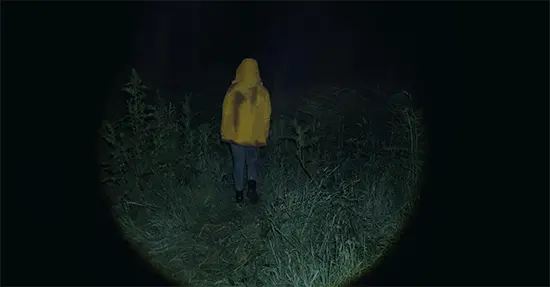
3. You also star in the film as Angus Mattock. What was it like balancing such an intense on-screen performance with your responsibilities behind the camera?
Word of advice: if you are going to write, direct and star in a film, don’t also be the f**cking camera operator!
Preparation is everything, and with writing the film, I could prepare for months in advance not just Angus’ character and inner workings, but also work closely with Doug in mapping the entire route of making the film. From rehearsing set pieces with my brilliant co-star Kat Johns-Burke, to hiking in forests to find the most remote cave we could, we made sure we were both on the same page throughout.
Honestly though, communication with the team (including DoP George Pearton and producer Dillon Hollis) and the incredibly close friendship and working partnership with Doug truly was the secret sauce for me to be able to switch from directing on set, and months of preparation of a shot, to being totally focused on performance and being directed by Doug. I had to know when my job to be an actor and listen was more important than worrying about anything else, and Doug, Dillon and George were great at taking the reins.
The entire crew were outstanding, shout out to our MUA superstars Rebecca Wheeler and Caz Walters! Being a tiny crew of about 8 people, we had built up a trust and thoroughness which meant I could easily detach from a macro-view of the film and bring the focus to Angus on screen. Actors say this a lot, but it’s genuinely incredibly relevant here: I could not have done it without every single other person’s work and commitment.
4. Nature plays a big role in Loner – both visually and thematically. Can you talk about how the wilderness became a character in its own right, and what it was like filming in such remote locations?
I love the natural landscape in Britain, and the mythology and history that is quite literally embedded in the environment – and it’s just not had the presence on screen it truly deserves!
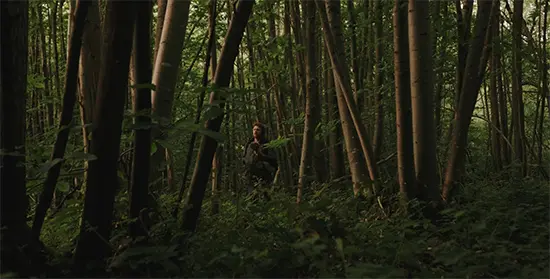
For us, it wasn’t just important to find a truly wild forest to film in, but to also think about the folklore attached to the setting. So we filmed around forests in the UK, from Norfolk to Northumbria, and specifically chose the Northeast not just for the wilderness but its connection to the Celtic past, which plays so much of a role in the presence that threatens Angus’ survival.
Doug and I also spent forever trying to find the cave for the film – it had to be as remote as possible. Weirdly, a lot of caves in England have cafes and car parks because they’ve become tourist attractions (which isn’t very scary).
So we set off on a hike to find a cave in a forest in Northumbria, and we’d only seen pictures of it, but there were no trail routes. When we found it, after hours of clambering through the woods, it was like discovering El Dorado in the jungle. We couldn’t believe it, and we knew it would give the story the authenticity we were looking for.
First time filmmakers should consider going out and making something in the outdoors. It can be brutally tough, but the UK is an untapped mine of opportunity to let an ancient backdrop become a huge character for your story.
5. You’ve worked closely with Douglas Tawn for years, from Edinburgh Fringe to ROBBTAWN productions. What’s the creative shorthand between you like, and how did that partnership evolve during the making of Loner?
We blink incredibly offensive slurs to each other in morse code.
But in truth, Doug and I have developed a really creepy telepathy, which is helpful for us, and extremely unsettling to everyone else (understandably). And it’s all about having fun. From flyering for our Edinburgh shows in the rain, to catching up in the car on the way back from directing our first feature film, it’s always been about making sure we have a good time while doing anything. Otherwise, what’s the point?
And I loved being directed by Doug, he’s honestly quite good, no matter what people say about him. No really!
In all seriousness, I do miss acting with Doug on screen- which is something we’re going to put right again very soon. So watch this space!
(Doug, if you’re reading this, you’re fired.)
6. Horror is a genre rich with metaphor… did you always see Loner as a film with deeper psychological or emotional undercurrents, or did those themes emerge organically during the writing process?
The themes of isolation and loneliness were interesting to me from the uniqueness of the story, and from that the exploration of mental health and masculinity in the character were inherent to understanding Angus as he tries to navigate his own sense of self worth in the face of a greater force. And I’d be lying if I said I didn’t draw on my own feelings of alienation and loneliness at times in thinking about Angus.
But when writing, these themes played in the background, and I mainly wanted Angus to feel relatable and morally ambiguous, and to avoid overt signposting as to what the audience should feel about him, or any metaphor or lesson.
7. You’ve cited The Lost Boys and Ratatouille as favourite films – two wildly different stories! What unexpected influences (cinematic or otherwise) found their way into Loner?
Two absolute bangers! And both with exciting scenes about crushing garlic.
Of course there are some obvious influences like the The Blair Witch and Creep (Mark Duplass being a big inspiration also in his ethos to indie filmmaking as well).
A wild curveball is The Zone of Interest, which for me is a masterclass in building a lasting image of horror without showing a single frame of it. The use of allusion and suggestion through sound design, framing and performance was a massive inspiration for creating tension and terror in Loner.
8. Loner has already picked up several nominations at Raindance, and now it’s heading to Black Sunday. What do you hope audiences take away from the experience. And what’s next for you and the ROBBTAWN universe?
I hope audiences enjoy the film we made. I hope they laugh, because I’m deep down a comedy writer, and I hope they get scared because that’s genuinely incredibly difficult to get right. Audiences are very smart, and we hope we’ve given them something made with the level of thought they deserve to watch.
We have lots of exciting, and quite big things to look forward to! Loner has got distribution, so the film will soon be available in physical media and online platforms – and maybe a few more times on the big screen…
Doug and I are building up our slate for ROBBTAWN and working on our next two features: one where Doug and I may just take to the screen again together. The other is bigger and more ambitious, and which will showcase more British talent and familiar faces on screen! We’re also developing an original horror series with the fine people at Various Artists Ltd, so we’re excited to explore our brand of horror and comedy in the longer formats of the TV space!
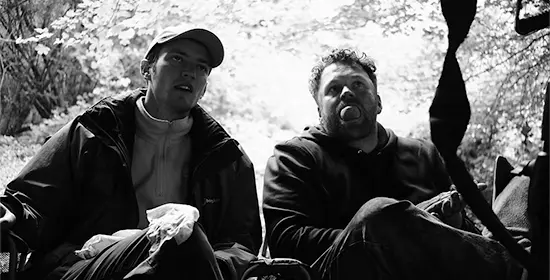
With Loner, Charlie Robb and Douglas Tawn have crafted a debut that doesn’t just wear its indie heart on its sleeve: it films it, skins it, and leaves it twitching in the woods. It’s an unnerving, funny, and deeply atmospheric portrait of a man out of his depth and a landscape that refuses to let him go, built on the kind of creative chemistry and long-standing friendship that can only come from years of shared sketches, theatre runs, and ill-advised production ambitions.
As Loner heads into distribution and ROBBTAWN gears up for multiple new projects (including two more features and a horror-comedy series in development) Robb’s singular vision is set to haunt screens both big and small. With a voice that’s as sharp as it is strange, and a knack for finding terror in the most British of awkward silences, Robb is one to watch… preferably from a safe distance, and with your torch batteries fully charged!
Loner trailer


2 Comments
[…] (writer/co-director Charlie Robb) is a vlogger on his way to a one-man wilderness retreat, hoping to document his digital detox, but […]
[…] Speaking before the event, Robb said “Audiences are very smart, and we hope we’ve given them something made with the level of thought they deserve to watch.” […]