
Inland Empire (2006) Review
- Horror Film Reviews
Sam Draper
- 0
- 7 minutes read
Inland Empire, released in 2006, is still David Lynch’s most recent film. Written, directed, shot, edited, produced, and even mostly scored by Lynch, it is the culmination of a career in film that started weird with Eraserhead, and remained mostly consistently weird throughout. Inland Empire may just be the strangest of the lot.
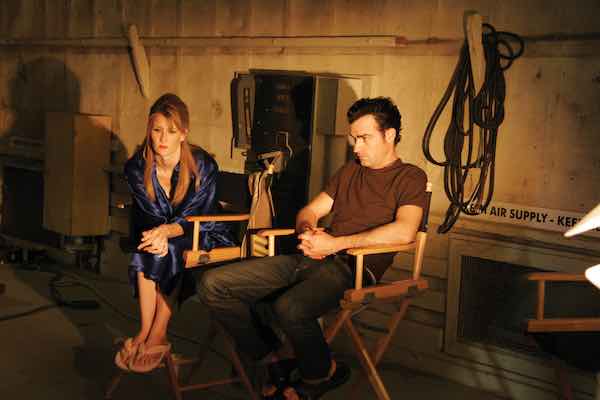
Things start (relatively) simple enough: Laura Dern’s Nikki Grace is cast in On High in Blue Tomorrows . However, the film is a remake of a German film that was never finished, because it was ‘cursed’, obviously. Gradually, Nikki loses herself in the role, the line between her own life and that of her character, Susan Blue, at first blurring and then being entirely rubbed out and replaced with a big question mark.
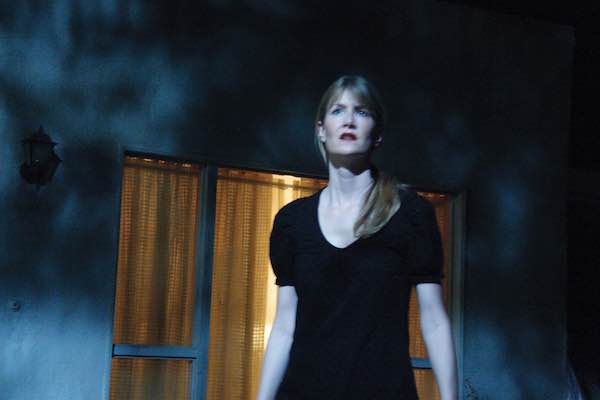
Lynch’s greatest preoccupations are all present and correct: Hollywood, murder, dream states, good and evil, but with less of a ‘traditional’ narrative to pull you through than in any of his other films. In particular, Lynchs’ pursuit of ‘dream logic’ consumes Inland Empire, each scene spiralling into a different time or place, Nikki acting as the gossamer thread that leads us through this nightmarish labyrinth of increasingly desperate scenes.
 And of course, ‘dream logic’ is actually more of a nightmare, the horror in Inland Empire ramping up as Nikki’s (or is that Susan’s?) world unravels. As the back half of the film flits between 1930s Poland, an abusive marriage, a flop house full of prostitutes, and the iconic suited rabbits, the only constant is that everything is increasingly unsettling, the rabbit hole growing ever deeper. Lights flash, Laura Dern screams, jazz blares.
Not that the film is just a surrealist nightmare. Dern is fantastic throughout, a truly captivating performance, and the supporting ensemble shine, too. Jeremy Irons is great as a flamboyant, relentlessly upbeat director, and Harry Dean Stanton’s producer is equally fun, his quiet extortion of the rest of the cast and crew a rare glint of genuine comedy in this bleak world. The cast of largely Polish actors that fill the other worlds not only play their parts well, but feel so real as to be almost normal people caught on a home movie, than actors (more on that later).
Inland Empire is in many ways a prototype for The Return, the sublime long-awaited third season of Twin Peaks that aired in 2017. The Return took this abstract, cut-up style of storytelling and polished it into eighteen hours of superb television, taking the themes of the original series and stretching them to breaking point. I actually found Inland Empire a much easier watch now than when it was released because The Return has taught me how to approach this form of storytelling i.e. not worrying too much about joining the dots in the moment.

Underpinning both Inland Empire and The Return – which I will shut up about, but honestly don’t want to because it’s the best anything ever – is a narrative that you actually can mostly piece together,, with repeat viewings or thorough scans of wiki pages and Reddit threads, and this is why both hang together so well- it doesn’t matter if we don’t grasp what’s going on as long as someone does. There is still enough here (the references to certain times, names and people) that it’s not hard to believe Lynch could easily sit down and explain everything to you over a cup of coffee. That he won’t do that is what makes this stuff so captivating. As Inland Empire ends, you may not know exactly what you’ve just watched, but it lingers like a dream in your waking thoughts, your mind shuffling the jigsaw pieces and gradually extracting meaning. Is it the right meaning? I’m sure Lynch would agree that it doesn’t really matter.
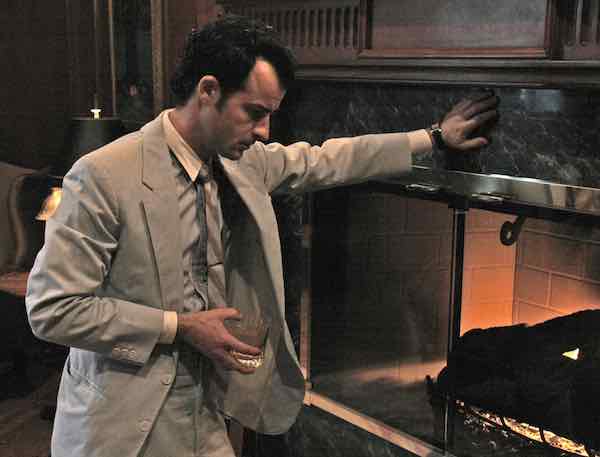
Lynch filmed Inland Empire entirely on digital film, using handheld cameras and revelling in the format’s grungy aesthetic, and the freedom to get really close to everyone and everything. The wall between audience and film truly collapses, even if some of the more swooping camera moves bring to mind any number of bad late ‘90s music videos. The other interesting thing about this format is how it now places the film so completely in a very specific place in time. The first iPhone arrived within months of the film’s original release and changed how we record ourselves forever, pre-HD handheld cameras feeling dated just as soon as they were the next big thing. For anyone old enough to have excitedly bought a digital camcorder, the film now adds an uncomfortable layer of nostalgia to its already unsettling array of emotional responses. Nothing good lurks on this sort of footage.

For this reissue, Lynch has ‘remastered’ the film following a convoluted and frankly hard to fathom process that ended up with a cheap, off-the-shelf AI upscaler having a bash at the footage. The result is that the film may be brighter, but it’s still not pretty. The AI seems to have added that soft, formless outlining that is the hallmark of crap upscaling which in certain well-lit scenes is extremely noticeable. So much so, in fact, that surely this can’t be anything other than deliberate on Lynch’s part – another layer of artifice added to this already densely post-modern film? This is how I’m choosing to think of it anyway, because otherwise it’s just an inferior version to the previous releases.
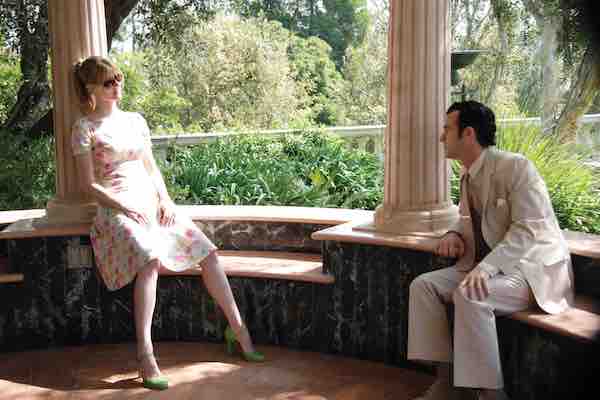
17 years on Inland Empire remains Lynch’s most impenetrable work and hard to recommend to anyone but the already converted. Still, if you enjoyed the more esoteric elements of Twin Peaks: The Return or thought that Lost Highway was too easy to follow, then this is three hours you might not necessarily enjoy, but will definitely appreciate.
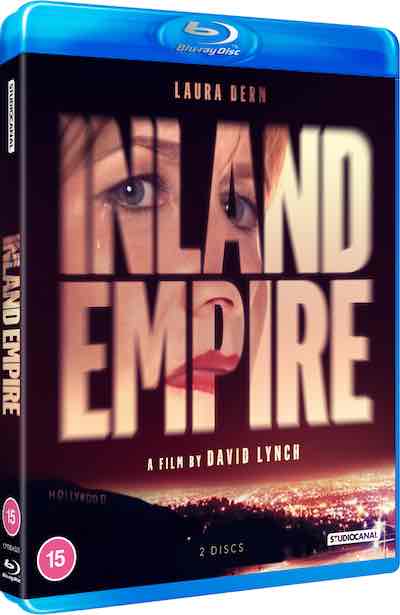
David Lynch’s INLAND EMPIRE is on Blu-ray and DVD on 19 June.
| Movie Rating: |   |
Inland Empire trailer