
Revenge of the Remakes: Horror Reboots That Actually Worked
- Horror Features
 Jasmine Clarke
- 0
- 11 minutes read
Horror remakes get a bad rap – and let’s be honest, they often deserve it. For every clever reimagining, we’ve sat through a dozen limp reboots that sucked the life (and the scares) right out of the original. But sometimes, a remake comes along that doesn’t just cash in on nostalgia; it sharpens, reinvents, or even surpasses the source material.

With fresh remakes like Wolf Man (2025) and Guillermo del Toro’s upcoming Frankenstein reboot lighting up horror headlines, now’s the perfect time to revisit the remakes that proved this subgenre can deliver more than lazy copy-paste thrills. Here’s our list of horror reboots and remakes that earned their place in the genre’s blood-soaked hall of fame.
Horror Remakes That Actually Worked
The Thing (1982)
John Carpenter’s The Thing often gets cited as one of the best horror remakes ever made… and for good reason. While technically a remake of 1951’s The Thing from Another World, Carpenter’s version is a completely different beast. It ditches the Cold War sci-fi flavor of the original and leans hard into paranoia, isolation, and grotesque body horror.
Rob Bottin’s groundbreaking creature effects still hold up over 40 years later, warping human bodies into unforgettable nightmares. But beyond the gore, The Thing is a masterclass in tension. The alien’s ability to imitate anyone turns a group of Antarctic researchers into a powder keg of suspicion. The original may have laid the groundwork, but Carpenter’s icy, brutal vision elevated it into something mythic.
Initially panned and overlooked, The Thing has since become essential horror viewing, and it’s hard to imagine a better example of how a remake can refine and outshine its source.

The Fly (1986)
David Cronenberg’s The Fly is more than just a remake, it’s a total reinvention. Where the 1958 original was a classic slice of atomic-era horror (complete with a human-headed fly squeaking “Help me!”), Cronenberg’s version is all body horror and existential dread.
Jeff Goldblum’s performance as Seth Brundle is the beating, twitching heart of the film. His transformation from eccentric scientist to monstrous hybrid is as tragic as it is horrifying. Cronenberg uses the story not just to gross out viewers (though it absolutely does that), but to explore decay, identity, and disease, especially resonant in the age of emerging health crises at the time.
By turning the tale into a sad, slow descent rather than a monster-of-the-week shocker, The Fly proved that horror remakes don’t just have to rehash—they can deepen and disturb in entirely new ways.
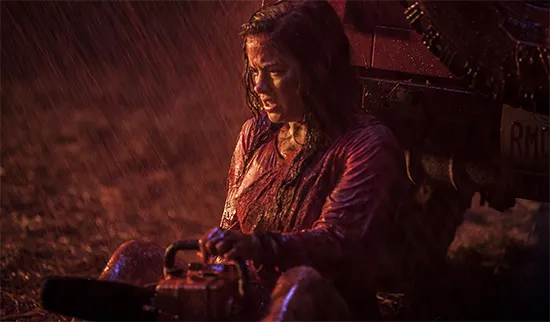
Evil Dead (2013)
Remaking Evil Dead – a cult favorite drenched in low-budget charm – was always going to be risky. But Fede Álvarez didn’t try to copy Sam Raimi’s style. Instead, he took the franchise into darker, more vicious territory. Gone were the slapstick gags and cheeky one-liners. In their place: relentless violence, gallons of blood, and a cast of doomed young adults trapped in a cabin with something ancient and very angry.
Jane Levy’s performance as Mia is a standout, especially once she goes full Deadite. The practical effects, brutal pacing, and sense of hopelessness give the film a nasty edge that set it apart from the zillion other cabin-in-the-woods knockoffs.
It’s not a comedy. It’s not a nostalgia trip. It’s Evil Dead at its meanest, and for many fans, it was exactly the kind of reboot the franchise needed.
Dawn of the Dead (2004)
George A. Romero’s Dawn of the Dead is a legend in its own right, so remaking it was bound to draw skepticism. But Zack Snyder’s 2004 version didn’t try to imitate Romero’s slow-burn satire, it sprinted in the opposite direction, literally. The zombies in this version run, and from the moment the film’s iconic Johnny Cash-scored opening hits, the pace never lets up.
Where the original focused on the slow collapse of society and consumerism, Snyder’s film leans into pure panic and adrenaline. It’s slicker and more action-driven, sure, but it also packs a solid emotional punch. Sarah Polley brings gravitas to the lead role, and a strong supporting cast (including Ving Rhames and a delightfully snarky Ty Burrell) keeps the tension grounded.
This remake is one of the few that successfully balances homage with innovation. It keeps the mall setting and bleakness of the original, but adds a 2000s edge that made it feel vital for a new generation of horror fans.
The Ring (2002)
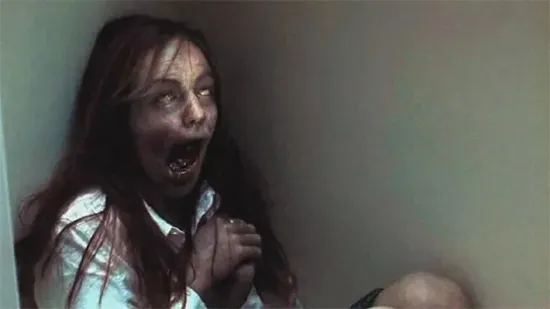
When Gore Verbinski took on The Ring, a remake of the Japanese cult horror Ringu, few expected it to become one of the defining horror films of the 2000s. But it did. Unlike so many remakes that fumble the cultural translation, The Ring nails the atmosphere. It swaps Tokyo for a rainy, grey Seattle, but keeps the essential dread: the feeling that something is always watching, waiting.
Naomi Watts brings real weight to her role as a journalist unraveling the mystery of a cursed videotape, and the film’s cinematography and sound design elevate every creaky door and flickering screen into something truly menacing. Samara, with her wet hair and juddering movements, became an instant horror icon.
Where Ringu was eerie and quiet, The Ring was stylish, polished, and deeply unsettling in its own right. It didn’t just ride the J-horror wave, it helped create it in the West.
It (2017)
Stephen King’s It was always destined for a big-screen resurrection, but few expected it to become a full-on cultural phenomenon. The 1990 miniseries had its charms – mostly in Tim Curry’s performance – but also suffered from network-TV limitations and an uneven tone.
Andy Muschietti’s It refocuses the story on the kids, and that’s its secret weapon. The Losers’ Club feels real, messy, and lovable, and their chemistry grounds the supernatural horrors in something emotional and authentic. Bill Skarsgård’s Pennywise is a different flavor of terrifying than Curry’s—less wisecracking menace, more uncanny predator with a taste for children and psychological warfare.
Add in a nostalgic 1980s setting, tight pacing, and a keen sense of visual style, and you’ve got a remake that doesn’t just outperform the original, it reinvents it for a new generation.
Maniac (2012)
Frank Khalfoun’s Maniac is a remake that could have been a disaster. After all, the 1980 original was infamous for its sleazy, grimy tone and exploitative violence. But the 2012 version approaches the same story with a new visual and psychological lens, literally. Told almost entirely in first-person perspective, it places the viewer inside the killer’s mind, forcing an uncomfortable intimacy with his every thought and action.
Elijah Wood, against all typecasting odds, delivers a haunting performance as Frank, a deeply broken man with a grotesque mannequin obsession and a mother-shaped hole in his psyche. The film is stylishly shot, drenched in neon and synths, with gore that feels disturbingly clinical rather than sensational.
Where the original felt like a midnight movie designed to shock, the remake is almost arthouse in its approach – still brutal, but far more interested in examining the monster than just showing the carnage.

These are the horror remakes that reminded us why reboots can still matter. They didn’t just slap on new effects or younger casts; they reimagined, reinterpreted, and sometimes even outdid the originals.
We’ll be keeping an eye on Frankenstein and whatever other remakes claw their way into theaters next. Check back soon for more deep dives into horror’s evolving landscape, and share your suggestions in the comments below.