
What If ‘Halloween III’ Made Michael Myers a Cyborg?
- Horror Features
 Jasmine Clarke
- 0
- 7 minutes read
It sounds crazy at first, but what if Halloween III: Season of the Witch really was part of the Michael Myers timeline?
Released in 1982, Halloween III: Season of the Witch is famously the only film in the Halloween franchise without Michael Myers. The movie shifted gears to tell a standalone story, one rooted in science fiction and folk horror rather than the slasher violence Myers embodies. But some fans have theorised that Season of the Witch could actually tie into Michael Myers’ story – if we imagine that the film’s Silver Shamrock corporation helped create the unkillable monster we know today. And it’s not as impossible as it might sound.

This theory, which emerged online in recent years, has reenergised fans of Season of the Witch and sparked discussions about how far the Halloween mythos could stretch. What if Michael’s superhuman resilience and relentless desire to kill had something to do with Silver Shamrock’s technology?
The Theory: Michael as a Silver Shamrock Cyborg
The core of this theory is that Michael Myers could be a cyborg… or at least be kept alive and indestructible through advanced technology developed by Silver Shamrock. In Season of the Witch, Silver Shamrock is responsible for creating deadly Halloween masks and bizarrely lifelike androids, combining tech with a hint of supernatural malice. Though these androids look and behave like humans, they bleed a yellowish fluid when injured, which some fans believe is echoed in later Halloween films.
In Halloween: The Curse of Michael Myers (1995), we see Michael injured to the point that yellowish liquid seeps out. This unusual detail has led fans to wonder if Michael’s “indestructibility” could be due to Silver Shamrock technology—potentially making him a hybrid of man and machine.

Silver Shamrock and the Cult of Thorn Connection
To expand on this theory, we can look at The Curse of Michael Myers, where a strange cult known as the Cult of Thorn is introduced. This cult believes that Michael must continue killing to sustain their lives and has a vested interest in keeping him alive. Imagine if the Cult of Thorn worked with Silver Shamrock to “resurrect” Michael Myers after each death or injury, upgrading him each time he sustained damage. This connection would give Halloween III a major role in explaining Michael’s seemingly supernatural resilience and tie his slasher story directly to science fiction elements.
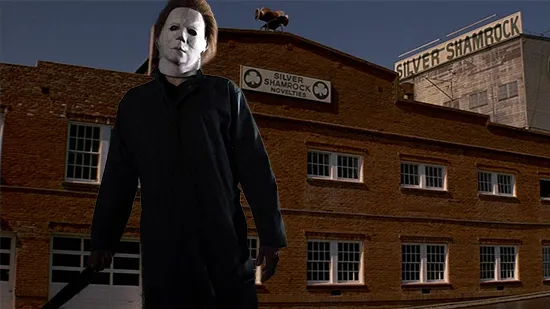
This connection between Silver Shamrock and the Cult of Thorn could also explain why Michael repeatedly survives injuries that would kill an ordinary human. Since Halloween III established that Silver Shamrock’s androids could imitate human behavior with eerie accuracy, it isn’t a stretch to imagine that the cult wanted Michael enhanced by these android advancements.
Mrs. Blankenship: The Easter Egg Linking Halloween III and Michael Myers
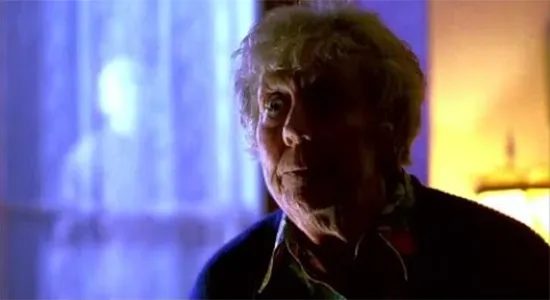
Another intriguing detail supporting this theory is the character Mrs. Blankenship from The Curse of Michael Myers. She’s a cult member who was supposedly babysitting Michael the night he killed his sister, Judith. In Season of the Witch, a character named Harry Grimbridge mentions going to meet “Minnie Blankenship” before being attacked by Silver Shamrock’s androids. This could imply that the cult member Mrs. Blankenship has ties to Silver Shamrock, adding more weight to the theory that the company played a role in shaping Michael Myers.
The Meta Moment: Halloween as Fiction in Season of the Witch
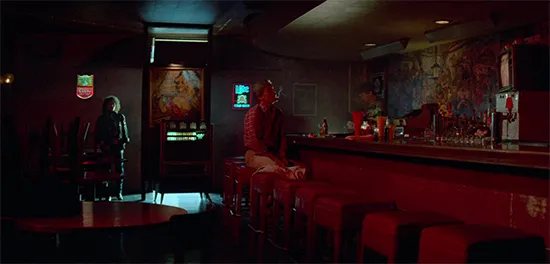
One of the oddest details linking Halloween III with the main franchise is a moment in which the original Halloween plays on a TV within the movie. This “movie-within-a-movie” moment could imply that Michael Myers is a sort of urban legend in the Season of the Witch world, or it could suggest that the events of Halloween became a fictionalised Hollywood version of real events. This meta approach is similar to the Scream franchise, where the fictional Stab movies dramatize the Ghostface killings. If Halloween III takes place in a universe where Silver Shamrock and the Cult of Thorn exist, the Michael Myers narrative could be real—and perhaps his indestructibility is more machine than myth.
Why This Theory Adds to the Franchise
The idea of Michael as a cybernetic killer developed by a shadowy corporation is a fascinating twist that would give the Halloween franchise a unique sci-fi angle. It would also explain some of the franchise’s oddities: like how Michael seems to return stronger after each “death” or how he survived being burned, shot, and beaten over the years. By tying Season of the Witch into the larger franchise, the Halloween films would have an in-universe explanation for Michael’s endurance, rather than leaning on the supernatural elements that later sequels attempted to establish.
This also makes Halloween III a pivotal part of the series’ continuity, which would make Silver Shamrock’s masks and technology a crucial element in Michael’s story, adding complexity and intrigue to the Halloween mythos. By viewing the franchise through this lens, even the seemingly unrelated Season of the Witch becomes part of the larger tale of Michael Myers – a product not just of pure evil, but of dark technology, conspiracy, and cultish ambition.
A Chilling New Take on Michael Myers?
Though this theory is purely speculative, it gives new life to Halloween III: Season of the Witch and its relevance to the Halloween franchise. Imagining Michael Myers as a Silver Shamrock creation isn’t just a fun idea; it would deepen the lore and offer a science-fiction twist to his iconic horror status. What if Michael’s mask wasn’t just a blank slate of terror but a mask designed by Silver Shamrock to keep his machine-like form in check? What if his entire persona was the result of a twisted collaboration between corporate greed and cultish horror?
In this version, Michael Myers is both man and machine: a creation of sinister forces far darker than we ever realised.