
Censored, Brutal, and Unforgettable: The Banned Horror Films That Shocked Censors
- Horror Features
 Jasmine Clarke
- 0
- 8 minutes read
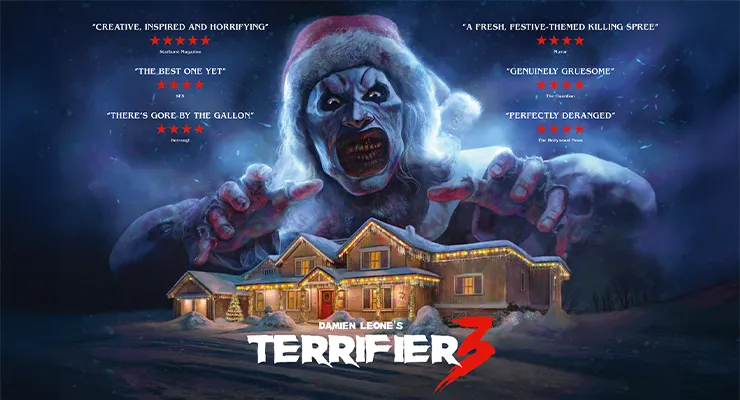
As Terrifier 3 prepares to hit theaters this Friday, it’s already stirring up intense controversy, having received a rare ban in France. This under-18 restriction hasn’t been imposed on a horror film there since Saw 3 in 2006. Known for its extreme violence and gruesome content, the Terrifier franchise, led by Art the Clown, is no stranger to pushing boundaries. Early screenings have even reported fainting and walkouts, sparking the latest conversation about what makes a horror film go too far?

But Terrifier 3 is hardly the first film to face the wrath of censors. Horror, as a genre, has a long history of crossing the line, provoking moral outrage, and—unsurprisingly—being banned in various countries. Let’s take a look at some of the most infamous horror films that got slapped with bans and delve into why certain subgenres, like video nasties and torture porn, seem to always find themselves in the crosshairs.
The History of Banned Horror Films
During the early 1980s, the UK became notorious for the Video Nasties scare. This moral panic involved a list of 72 films, considered by the government to be too graphic and disturbing for public consumption. Many of these films were subsequently banned or prosecuted under the Obscene Publications Act. Classic examples include Cannibal Holocaust (1980) and The Evil Dead (1981). While the latter eventually became a celebrated cult classic, films like Cannibal Holocaust were vilified for their graphic content and realistic depictions of violence, including animal cruelty, which contributed to its censorship.

Cannibal Holocaust, one of the most controversial films in horror history, was banned in several countries for its extreme gore and violence. The film’s realistic portrayal of a jungle expedition gone wrong—including scenes of sexual assault and real animal deaths—pushed it over the line for many, leading to its prosecution in Italy and ongoing bans in other countries. It wasn’t until the 1990s that edited versions of the film were allowed in some regions.
Torture Porn and the Modern Outrage
Fast-forward to the mid-2000s, and the rise of torture porn – a subgenre defined by its graphic, often sadistic violence – kicked off a new wave of horror censorship. Films like Hostel (2005) and Saw (2004) both garnered significant backlash. While some praised the creativity behind these movies, their unrelenting violence led to widespread controversy. France, in particular, has a long history of grappling with films from this genre, and the ban on Terrifier 3 is an extension of these earlier concerns. When Saw 3 was banned from viewers under 18 in 2006, it similarly sparked a debate over the glorification of violence in horror.
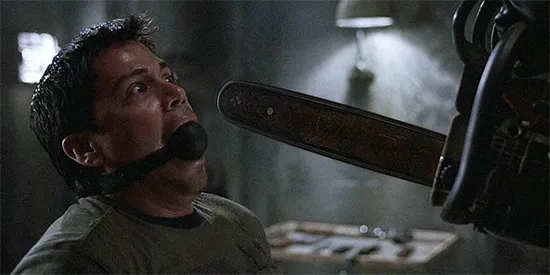
Hostel, directed by Eli Roth, became synonymous with this wave of horror. Its graphic depictions of torture in a grim Eastern European setting pushed boundaries, sparking moral debates about whether these films were made purely to shock. Despite this, Hostel and its sequels remained popular, pushing the limits of what modern horror audiences would tolerate.
Infamous Banned Horror Films Over the Years
- The Exorcist (1973) – While not permanently banned, this supernatural classic faced intense pushback and temporary bans in several US cities due to its disturbing themes of possession and explicit imagery, leading to fainting spells during screenings.
- The Texas Chain Saw Massacre (1974) – Despite being a now-beloved horror classic, it was banned in several countries, including the UK, for its intense violence and unsettling tone. The raw, gritty style of the film made it feel too realistic, leaving many countries reluctant to screen it.
- I Spit on Your Grave (1978) – This exploitation film, featuring brutal scenes of sexual assault and revenge, has been banned in several countries for its explicit content. It continues to divide critics and viewers to this day.
- A Serbian Film (2010) – One of the most controversial films ever made, A Serbian Film was banned in multiple countries for its depiction of extreme sexual violence and child abuse. It was condemned for its gratuitous shock value, with many arguing it crossed every imaginable line.
- The Human Centipede II (2011) – Tom Six’s sequel to his already notorious body horror film went even further with grotesque violence, leading to its banning in the UK. Censors cut several minutes of graphic content before it was allowed for release.
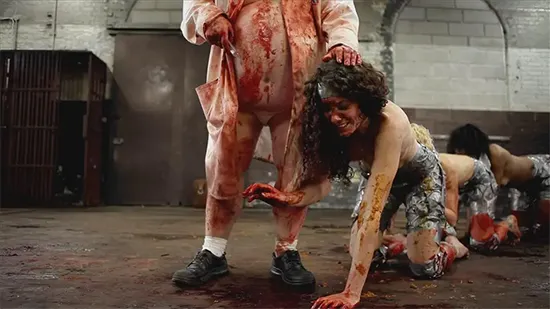
The Relevance of Censorship Today
As we see with Terrifier 3, the debate over horror censorship isn’t going anywhere. In fact, it’s become more relevant than ever as filmmakers continue to explore the limits of on-screen violence and taboo subject matter. The rise of streaming platforms has also changed the landscape, allowing once-banned films to find new audiences. Films like The Texas Chain Saw Massacre or Hostel can now be easily accessed, with fewer censorship restrictions, while the question of how much is “too much” remains an open-ended discussion.
For horror fans, the appeal of these banned films often lies in their taboo nature – they represent the genre’s rebellious spirit, pushing cultural boundaries and testing our tolerance for fear. As long as horror continues to challenge societal norms and confront our deepest anxieties, we can expect the debate around censorship to persist.
But what do you think? As horror fans, we know you’ve got opinions on this subject. Do you believe movies like Terrifier 3 and other banned films go too far, or do they push the boundaries in ways that keep horror fresh and exciting? What’s your take on the responsibility of censors versus the artistic freedom of filmmakers? And, of course, we want to hear about the films that shocked you the most – did any make you look away, or have you come to love them over time?