
History of the Jump Scare
- Horror Features
 Peter Campbell
- 0
- 5 minutes read

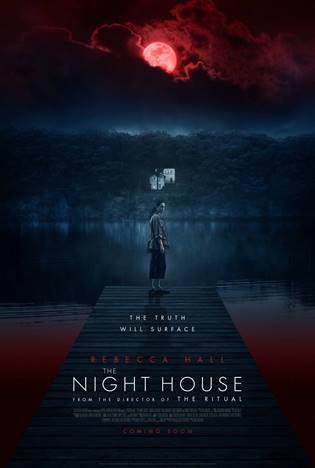
To celebrate the release of The Night House starring Rebecca Hall coming to cinemas on 20th August, we take a look back at the history of the jump scare and how filmmakers have used building dread and starling jolts to terrifying effect over the years.

Whether it is a moving mirror, a creaking wardrobe or underneath a bed, a scene where ‘something’ jumps out with a bang can still be a very effective horror tool in the right hands. Here’s a collection of some of the finest jump scares committed to celluloid.
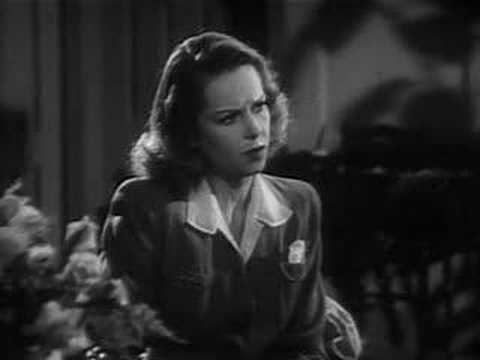
CAT PEOPLE (1942)
One of the first and still one of the best films to exhibit the jump scare. In its most famous scene, the film’s female lead is being followed by a ‘cat-person’. It is dark and all we hear footsteps. Suddenly, a bus pulls into frame and gives us all a jolt! This coined the term ‘Lewton’s Bus’ after producer Val Lewton meaning a scare which built to the reveal of a non-threatening object. In this the case it’s an unexpected bus or regularly it is a cat jumping out of a wardrobe. See Ridley Scott’s Alien for more details!
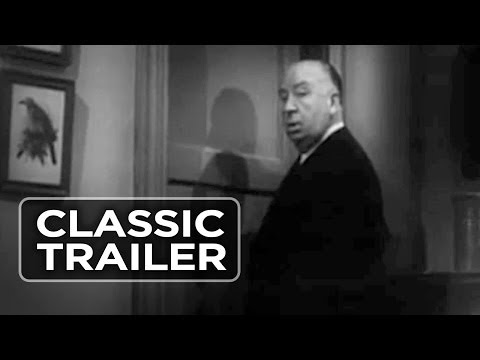
PSYCHO (1960)
A classic from the master of suspense, Alfred Hitchcock. Psycho has many shocking moments not least the iconic Shower Scene but for our money the biggest jump of the film comes from the scene where Detective Arbogast, intrigued by the giant Bates house on the hill, slowly enters the building and begins to climb in near silence. Needless to say, Arbogast and us the audience are confronted by a nasty surprise as he reaches the landing.
CARRIE (1976)
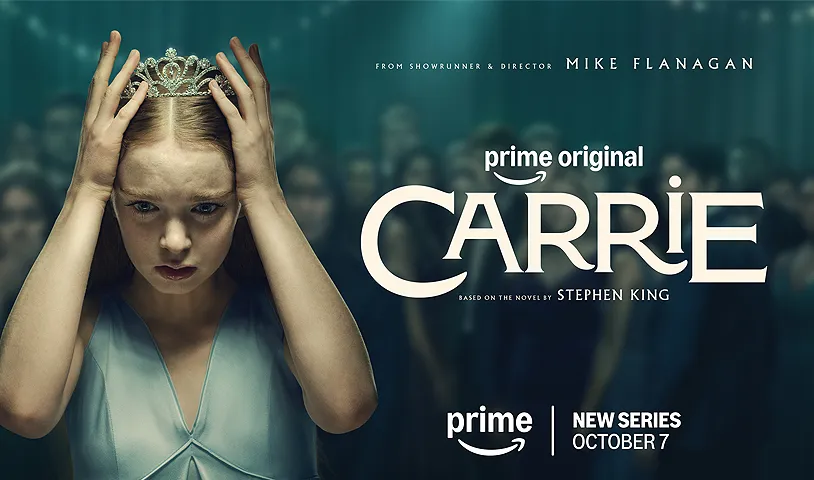
Along with Friday the 13th, Brian De Palma’s dreamy film of Stephen King’s seminal horror novel has a cracking jump scare ending. Just when you think it’s safe to relax, wronged telekinetic teenager Carrie reaches from beyond the grave to extract a final revenge. It still packs a punch to this day.

AN AMERICAN WEREWOLF IN LONDON (1981)
John Landis’s film is a rare breed – a horror comedy which is both horrifying and very funny. It also showcases some brilliant jump scares from the first werewolf attack on the moors to the carnage around London itself. The most out-there scares come from the lead, David’s, dream within-a-dream sequences, the format of which would be used to bloody-curdling effect a few years later in Wes Craven’s A Nightmare on Elm Street.

THE EXORCIST III (1990)
One of the great jump scares ever committed to film comes from the often overlooked but fascinating film The Exorcist III. Writer of the first Exorcist novel and film, William Peter Blatty, here returns to writing and directing duties to craft another unsettling tale of atmospheric and psychological chills. In the scene, a hush has fallen on the night shift of the psychiatric ward in the Georgetown Hospital which is now home to Father Damien Karras from the first Exorcist movie. After a series of false scares, we see a long continuous take of a long, quiet hospital corridor as we wait for something inevitably, unbearably to happen.

The Night House starring Rebecca Hall and directed by David Bruckner (The Ritual, Southbound) is in cinemas on 20th August.