
Old Gods, New Monsters: How Modern Horror is Reimagining Greek Myth
- Gaming
The Templar
- 0
- 4 minutes read
For decades, mainstream movies have conditioned audiences to view Greek mythology through the sword-and-sandal epic. From the CGI-heavy battles of Clash of the Titans to the heroic posturing of The Odyssey, pop culture has traditionally treated these ancient stories as blockbuster fodder. But the battle between gods and monsters doesn’t have to be so literal. It’s something horror cinema is increasingly proving.
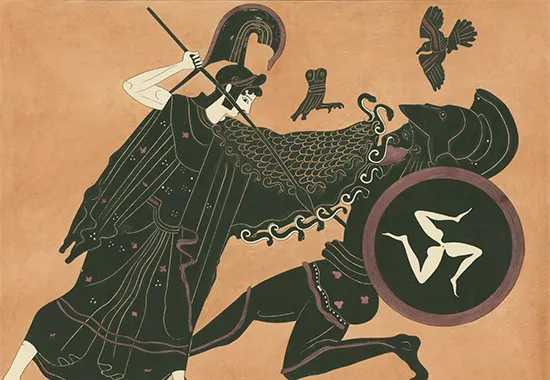
Indeed, the likes of Yorgos Lanthimos’s The Killing of a Sacred Deer and Robert Eggers’ The Lighthouse, released in 2017 and 2019 respectively, have quietly dismantled the formulas of the popcorn flicks. Rather than relying on familiar creatures and heroic quests, filmmakers are digging deeper into the concepts of Greek tragedy to explore themes such as fate, divine retribution and moral decay in a contemporary setting.
From Pop Culture to Lanthimos’s Modern Tragedy
In recent years, Greek myth has enjoyed a renaissance through modern lenses. In music, for example, Florence + the Machine has frequently woven mythic imagery into lyrics and music videos, with lead singer Florence Welch drawing inspiration from the doomed prophet Cassandra and the god of ecstasy and madness, Dionysus.
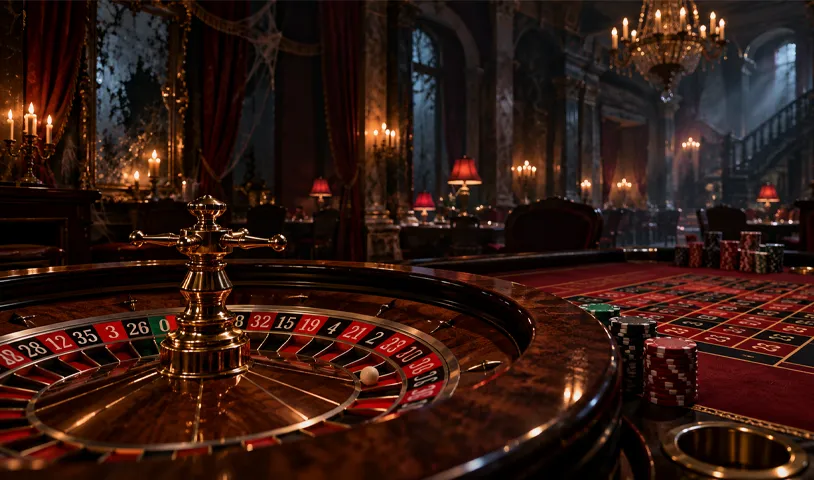
Elsewhere, Netflix brought the gods into a modern city in the series KAOS, while the publishing industry has witnessed a rise in feminist Greek-myth retellings in novels such as Atalanta by Jennifer Saint and The Heroines by Laura Shepperson. Even live casino UK games like Age of the Gods Roulette are reinterpreting the legends of figures like Zeus, Athena and Poseidon in a new way. Yet, it’s horror cinema where some of the most compelling examples of Greek myth are being subverted and reframed.
Perhaps most notable is Lanthimos’s The Killing of a Sacred Deer. This chilling masterpiece abandons robes and sandals for the sterile, fluorescent corridors of a city hospital. The film adapts Euripides’ original tragedy about King Agamemnon accidentally killing a deer sacred to the goddess Artemis. She demands the sacrifice of his daughter Iphigenia as punishment.
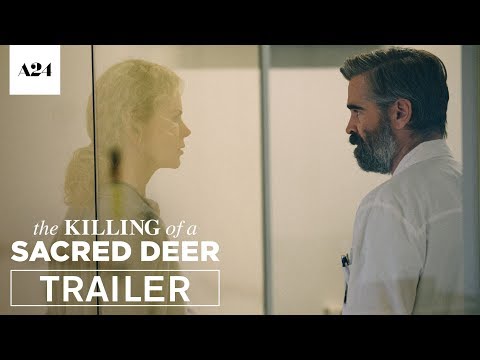
Lanthimos’s take sees Colin Farrell play Steven Murphy, a wealthy heart surgeon whose past medical mistake causes a patient to die. The dead man’s teenage son, Martin (played unnervingly by Barry Keoghan), enters Steven’s life not just as a typical stalker, but as a subtly supernatural force of divine retribution. He places a curse on Steven’s family that can only be lifted if Steven sacrifices one of his own children.
The Lighthouse is another disturbing entry in modern horror. Starring Willem Dafoe and Robert Pattinson, Eggers’ film translates divine archetypes into a descent into madness, taking its inspiration from the power struggle between Proteus and Prometheus. Similarly, 2022’s A Wounded Fawn channels Aeschylus’s Oresteia for its tale of a serial killer’s getaway into an art-world fever dream.
Other directors have subverted the tragic narrative mechanics of Greek myth instead of specific monsters, such as Park Chan-wook in 2003’s Oldboy, which recontextualises Oedipus Rex. Meanwhile, Agnieszka Smoczy?ska’s 2015 film The Lure recasts ancient monsters, in this case the Sirens of Homer’s Odyssey, into an 80s musical body-horror.
Refocusing the Myth
What modern horror filmmakers are proving is that ancient Greek myths were never just about heroic triumph. Rather, these stories concern human powerlessness against unseen, inescapable forces. Horror films like The Killing of the Sacred Deer and The Lighthouse strip away sword-and-sandal spectacle in favour of focusing on the terrifying, inescapable weight of fate, hubris and divine retribution inside a contemporary frame.