
Werewolves (2024) Review
- Horror Film Reviews Werewolves
 Tom Atkinson
- 1
- 6 minutes read
There’s something delightfully audacious about a film that knows exactly what it is and revels in the absurdity of its premise, and Werewolves certainly begins with that promise. Directed by Steven C. Miller, this dystopian action-horror hybrid introduces a world where humanity is plunged into chaos every time a supermoon rises, triggering a lycanthropic pandemic. It’s a premise that practically howls for gleeful mayhem, and yet, despite flashes of potential, the film frustratingly trips over its own paws.
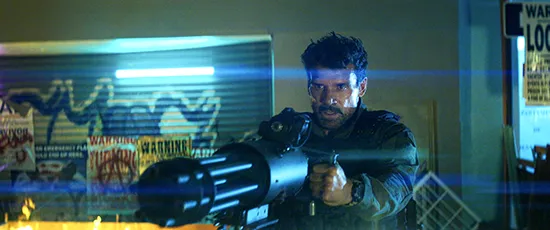
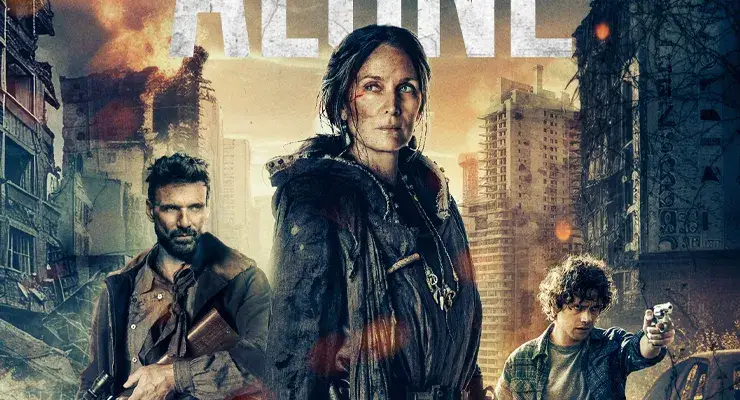
Frank Grillo leads the pack as Dr. Wesley Marshall, a molecular biologist moonlighting as a rugged action hero, a trope so gleefully self-aware it borders on parody. Grillo has a natural charisma and an ability to elevate even the most ludicrous of scenarios, which serves him well here. Wesley, a man of science and shotguns, finds himself trying to protect his late brother’s family from the werewolf plague while simultaneously working on a cure in a high-stakes lab experiment gone predictably wrong. Grillo is as dependable as ever, bringing a muscular charm to the role that occasionally distracts from the film’s more glaring weaknesses.
Unfortunately, Grillo’s efforts aren’t enough to compensate for the lackluster writing and haphazard filmmaking that plague the production. The script tries to juggle several competing tones – a dystopian thriller, a family drama, a horror-comedy – but none of them quite land. The dialogue veers from laughably clichéd to unintentionally awkward, with moments that seem like they’re vying for meme status. One such line – “Bite me!” – says it all really.

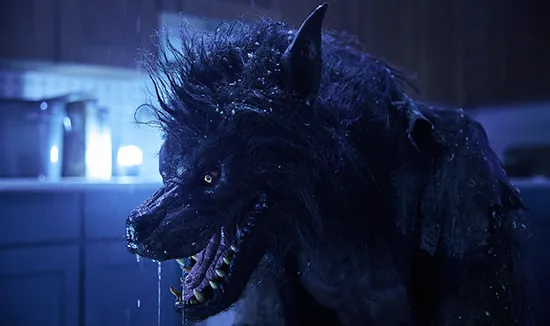
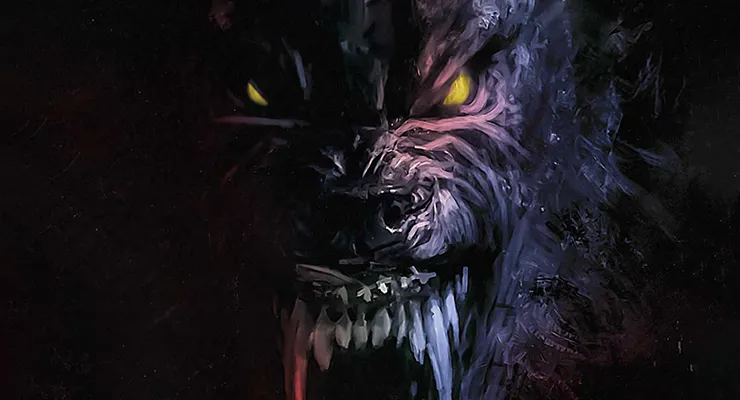
The practical effects deserve recognition, even if they sometimes resemble costumes raided from the discount rack of a seasonal Halloween shop. The werewolves, designed by Alex Gillis and Tom Woodruff Jr., are tactile and often grotesque, with snapping animatronic jaws and sinewy frames. It’s a refreshing alternative to the overreliance on CGI that plagues many contemporary creature features. Yet, despite their tangible presence, the beasts lack the menace or mystique of their cinematic predecessors. From certain angles, they look like something dreamed up for a low-budget Little Red Riding Hood reimagining, more cartoonish than terrifying.
Strangely, since An American Werewolf in London, lycanthrope transformation scenes have been a popular conversation point. With Werewolves, metamorphosis fans won’t be disappointed as the moon triggers all manner of realistic vein throbbing, limb stretching and bone crunching mutations.
Where Werewolves falters most significantly is in its aesthetic choices. The relentless, distracting lens flares, jittery camerawork, and strobe-heavy lighting create an atmosphere that’s more migraine-inducing than immersive. It’s as if Miller mistook chaos for suspense, bombarding the audience with disorienting visuals that obscure rather than enhance the action. The result is a film that feels more exhausting than exhilarating, a missed opportunity to lean into its campy, B-movie roots.
There are glimpses of something sharper lurking beneath the surface. The film toys with themes of survival, family loyalty, and the fragility of human connections in the face of catastrophe. Ilfenesh Hadera does her best with the role of Lucy, a fiercely protective mother navigating the horrors of a second supermoon, while Katrina Law brings a measured intensity to Amy, Wesley’s scientific counterpart. Both actresses are hampered by a script that gives them little to do beyond reacting to the chaos around them. The subplot involving Lucy and her daughter Emma offers fleeting moments of tension, but it never develops into anything more substantial.
The action sequences, while plentiful, lack the coherence or creativity needed to make them memorable. What should be pulse-pounding moments of survival, such as Wesley and Amy battling their way through a werewolf-infested lab or Lucy fending off an attack at home, feel oddly flat. Even the climactic showdown, where Grillo’s character faces the ultimate sacrifice, struggles to generate genuine stakes or emotional resonance.
Werewolves is a film at odds with itself. It yearns to be taken seriously, with its grim dystopian backdrop and earnest performances, but it also flirts with the kind of campy fun that could have made it a cult classic. Instead, it straddles the line awkwardly, delivering a loud, often tedious spectacle that fails to capitalise on its ludicrous premise. There’s a better film lurking in the shadows, one that fully embraces the absurdity of its setup and leans into the bloody thrills of practical effects and unrestrained carnage.
For all its flaws, there is still something watchable about Werewolves. Maybe it’s the sheer audacity of its premise, the guilty pleasure of seeing Frank Grillo dispatch fluffy werewolves with grim determination, or the occasional flashes of humor that remind you not to take it all too seriously. But as the supermoon sets, you are still likely to be left wishing for a little more bite to go with the bark.
| Movie Rating: |    |
Werewolves trailer




1 Comment
[…] Where the film stumbles is in depth: relationships are sketched in shorthand—grief, guilt, surrogate family bonds—but rarely explored beyond what’s needed to motivate the next firefight or transformation. Cody (James Michael Cummings) and the paranoid-neighbor archetype he embodies hint at political and social commentary, yet those threads are mostly left on the table. The cast is game, but the script keeps them locked in “serviceable B-movie mode” rather than letting anyone deliver a truly haunting or heartbreaking turn. (Love Horror film reviews and news) […]