

Foreigner (2025) Review
- Horror Film Reviews Psychological
 Tom Atkinson
- 0
- 5 minutes read
Ava Maria Safai’s Foreigner demonstrates just how potent it can be when the metaphor is rooted in lived experience. Set in 2004, at the height of the airbrushed, body-shaming teen-magazine era, this clever debut blends coming-of-age drama with supernatural chills, and does so with an eye on a very particular truth: the sheer terror of trying to fit in when you are young, different, and desperate to belong.

Our heroine is Yasamin (Rose Dehgan), an Iranian teenager who has just moved to Canada with her father and grandmother. Already reeling from the loss of her mother, Yasi throws herself into learning English through sitcoms and magazines, mimicking the Western ideals she sees plastered across glossy pages. Blonde, thin, trendy, and above all, compliant. At her new school she is swiftly adopted by Rachel (Chloë MacLeod) and her entourage, a trio of smiling mean girls whose shallow friendliness masks an ingrained prejudice. They laugh, they dance, they make TikTok-style videos before TikTok existed. But there’s always the cutting “Where are you really from?” to remind Yasi she is not like them. And so she bleaches her hair blonde. That’s when things start to change, not just socially, but physically—and not for the better.
Safai’s film is, at surface level, a teen horror in the Mean Girls mould, with shades of Heathers and even Carrie. But underneath the snark and schoolyard cruelty runs a deeply personal immigrant narrative. Yasi’s yearning to assimilate means hiding her Iranian identity, ditching her grandmother’s food for bland cafeteria trays and silencing her father’s music in the car. What Safai does so well is link this erasure to something monstrous. The more Yasi abandons herself, the more she opens the door to a darker, literally demonic influence. Blonde ambition becomes possession, and peer pressure mutates into body horror.

Rose Dehgan is superb as Yasi, her performance flickering between wide-eyed vulnerability and the unsettling blankness of someone losing grip on who they are. Her transformation is at once sad and frightening, culminating in a levitation sequence that feels both exhilarating and tragic. Around her, MacLeod delivers the kind of icily charismatic turn that will be instantly recognisable to anyone who went through high school politics. Yet the most moving performances come from Yasi’s father and grandmother, who watch helplessly as she slips further into the grasp of a culture that wants to consume her.
Safai also nails the early 2000s backdrop without overplaying the nostalgia. There are nods to the era-magazine covers, the Friends-style sitcoms, the obsession with “blonde is better” – but they sit naturally in the story, never reducing it to a quirky throwback. Even the credits bring personality, sharing little anecdotes about the cast and crew instead of fading politely to black.
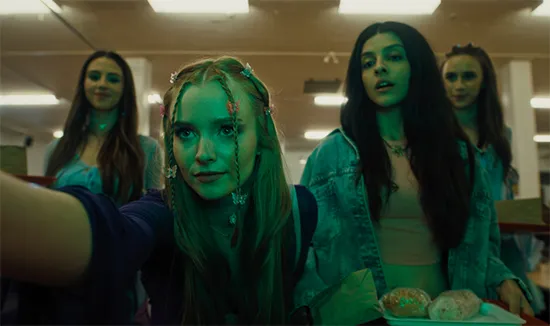
The horror elements are pitched fairly gently, which may leave seasoned genre fans (specifically, FrightFest attendees) wanting more blood and thunder. But that’s partly the point. Foreigner is designed as an entry point for younger audiences, especially tweens and teens negotiating their own identity crises. Its scares are symbolic rather than shocking, a gateway into horror that also acts as a mirror for children of immigrants, showing the dangers of losing oneself in the desperate pursuit of acceptance.
By blending folklore, family drama, and high school cruelty, Safai has crafted a film that is both entertaining and quietly profound. It’s funny, it’s unsettling, and it’s honest. Most importantly, it’s thought provoking.
| Movie Rating: |   |
Foreigner trailer