
Dead Northern Short Cuts – Brothers’ Song, The Pigs Underneath and Sapling
- Interview
 Jasmine Clarke
- 0
- 11 minutes read
Folklore has a habit of surviving. Stories change, landscapes change and generations come and go, but old fears and traditions have a way of finding new forms. Our latest Dead Northern Short Cuts brings together three films that dig into history, community and the forces that shape the lives of those caught within them.
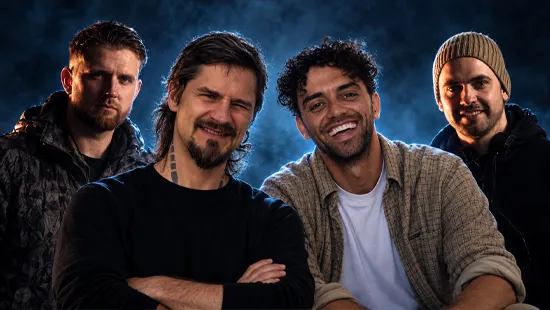
In Brothers’ Song, ancient Baltic mythology provides the backdrop for a wounded family travelling through the aftermath of devastating loss. The Pigs Underneath heads instead to a resource-starved British estate where survival depends upon satisfying a mysterious quota, while Sapling ventures deep into cursed woodland for a folk-horror tale rooted in grief, violence and inherited trauma.
Ahead of their Dead Northern 2026 screenings, we caught up with Maris Abolinš, Charlie Dennis and the Bloody Cuts filmmaking team to discover more.
Maris Abolinš – Brothers’ Song
Blending ancient poetic traditions with a raw contemporary soundscape, narrative music video Brothers’ Song unfolds as a dark Baltic saga of loss, survival and eventual resistance.
A wounded father guides his sons through the aftermath of a devastating defeat that has taken their mother and destroyed their homestead. Their journey carries them through a landscape steeped in ancient myths and stories, where reality itself becomes increasingly uncertain, before mourning ultimately gives way to spiritual and physical rebirth.
Who are you and why are you heading to Dead Northern 2026?
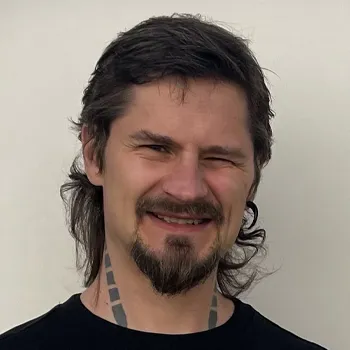
I’m Maris Abolinš, a Latvian director and filmmaker. I am bringing our music video, Brothers’ Song, to Dead Northern 2026 because this festival is known for championing raw, atmospheric and uncompromised genre cinema.
Brothers’ Song bridges dark Baltic mythology with cinematic storytelling, and bringing it to York, a city steeped in two thousand years of history and ghost folklore, feels like the perfect setting for our screening.
Tell us about what it was like to be part of this production.
Filming deep in the Latvian forest was intense and hands-on. Navigating uneven ground in the dark with sharp spears definitely got a bit dangerous at times.
We used historically accurate costumes, real torchlights, bonfire and practical make-up to achieve authenticity. The best part was shooting late at night. Hearing ancient Baltic chants echo through the woods at 3am was unforgettable.
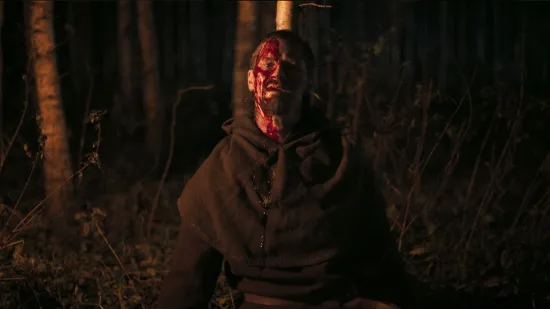
The main challenge was working through freezing, damp nights, but that raw environment brought genuine energy to the visuals.
What part of seeing your film at Dead Northern are you looking forward to most?
I’m really looking forward to seeing how a UK horror audience reacts to Baltic dark folklore on the big screen. Near the climax, when the chant unites the brothers under torchlights, I hope the audience will feel that ancient call.
Charlie Dennis – The Pigs Underneath
Something monstrous is stirring beneath a resource-strapped British estate in The Pigs Underneath, where everyday goods have become the difference between survival and catastrophe.
Residents must meet a mysterious quota to prevent something terrible from awakening, but when a young man and his mother’s contributions are stolen, the pair are thrown into a desperate race against time. Rooted in the experiences and history of Britain’s working-class industrial communities, the social horror uses its monstrous premise to explore exploitation, power, resistance and an ever-widening class divide.
Who are you and why are you heading to Dead Northern 2026?
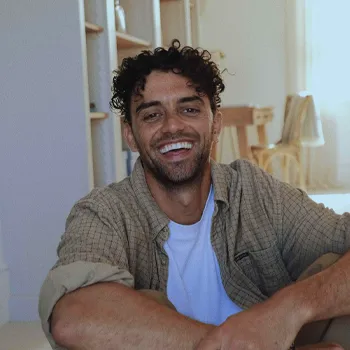
I’m Charlie Dennis, the writer, director and editor of the film The Pigs Underneath.
My work is focused on bold, genre-driven storytelling with strong thematic undercurrents, particularly within horror and social satire. I want to tell stories about marginalised communities using spectacle to ask questions about power, identity or oppression, but do so with a sprinkling of mischief, life and magic that represents the levity that we revert to when we’re at our lowest.
I was one of five filmmakers selected by Jordan Peele as part of Monkeypaw’s NO DRAMA initiative, powered by Universal Studios and TIFF. It was an incubator designed to develop new genre-focused talent, with direct exposure to the major studio process and access to creative and production execs within a year-long programme curated by TIFF and Universal Studios.
I was the only filmmaker outside of the United States to be selected.
Shot and made in the West Midlands, this film represents socioeconomic exploitation of traditionally industrial areas of the UK, particularly the Midlands and the North of England.
It’s a social commentary horror that focuses on the British class system, in particular the widening class divide and the systemic oppression of the working class.
It is about how oppression doesn’t always come crashing in. It creeps in through silencing of voices and how it is met with resilience. Right now, when so many communities are being dehumanised more than ever, I wanted to make something that spotlights the ‘invisible force’ of the privileged few who determine the survival of so many.
Tell us about what it was like to be part of this production.
Just being able to look back at my film and be like, “I made this the way it deserved to be made.”
Shooting it in the West Midlands, using local crew, working with the actors who could resonate with the trauma rooted deeper within the story to help tell it in the right way. No matter how bad or good my film came out, I’m proud of the way we were able to make it.
There was a moment when we turned up to Druids Heath in Brum for a recce, and these angry-looking blokes approached us. We were on our back foot, ready for something to kick off.
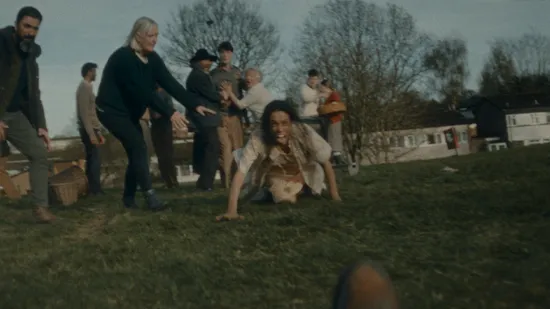
They thought we were developers, scouting out the land and taking photos for the proposed demolition that was going to raze the community to the ground, knock down their houses and decimate their homes. When we told them we were making a short film, with these exact themes about destruction of a class system, they couldn’t do more to help us!
A bunch of them even turned up on the day of filming to become extras in the film. It was such an incredible show of community that bound us together, with different issues but a deeper connection against exploitation.
What part of seeing your film at Dead Northern are you looking forward to most?
Screening it in the North means something so much more than any normal screening. I made this film the way it is because I was tired of seeing stories from the Midlands and the North depicted as bleak, kitchen-sink dramas.
I wanted to give that story a new spin, and allow spectacle and horror to be the driving force behind the message.
Bloody Cuts – Sapling
The past takes root in Sapling, a folk-horror drama about a grieving mother who returns to the cursed woodland where her son disappeared and forces her abusive husband to confront the monstrous consequences of the violence he left behind.
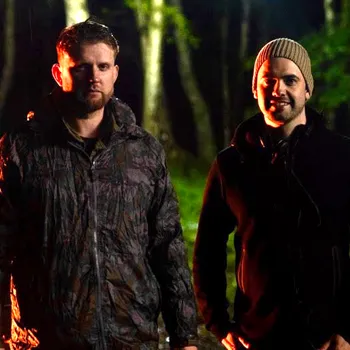
Using myth and the natural world to explore grief, domestic violence and inherited trauma, the film asks how harm can pass between generations and what might happen when that cycle is finally confronted and transformed.
Who are you and why are you heading to Dead Northern 2026?
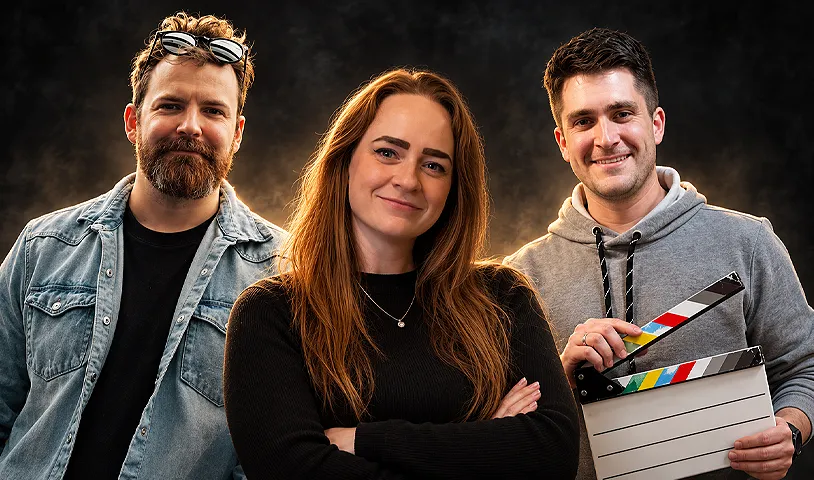
We are Bloody Cuts, a Norfolk/Cambridge-based filmmaking team who have been working together since 2013.
Tell us about what it was like to be part of this production.
We took quite a long period away from filmmaking, almost six years, but returned to making Bloody Cuts films late last year after feeling it was finally time to get back behind the camera again.
It was a wonderful experience bringing everyone back together, and the time away gave us all much more experience and new perspectives on life that we were able to apply to our newest film, Sapling.
The film itself was an effort to be a touch more experimental, whilst staying true to some of the folk elements introduced in our 2016 short film The Birch.
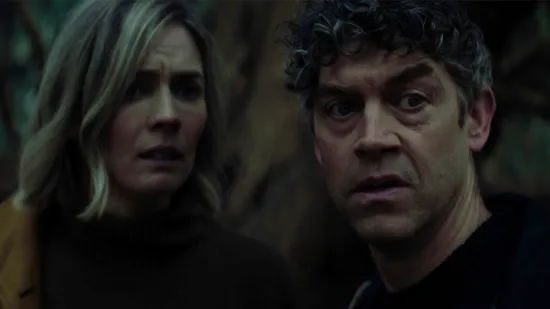
One thing that immediately became clear as we began the process was that we’d forgotten just how hard it is to make a short film, especially when you have no budget to do it, which I think is probably 99% of horror filmmakers!
Many obstacles attempted to block our attempt to make Sapling, including a woodland location so remote we couldn’t even get vehicles there. But it was all worth it, and we’re so pleased to have achieved what we did over that weekend. It was a reminder of just how rewarding it is to be creative around like-minded people.
What part of seeing your film at Dead Northern are you looking forward to most?
Unfortunately, due to a significant family birthday, my mother turning 70, I won’t be able to attend, which I’m very sad about.
Dead Northern was at the top of our list, having never played at this festival before, and I couldn’t be more excited to know so many people will be getting to see our film.
Festival screenings were what I was looking forward to the most in making Sapling, and I truly wish I could be there to network with all the amazing filmmakers and festival-goers that will be in attendance.
The landscapes surrounding these stories may stretch from Latvian forests to British housing estates and cursed woodland, but all three films find horror in things that have been allowed to take root.
Brothers’ Song reaches into Baltic mythology for a story of loss and resistance, The Pigs Underneath turns the pressures facing working-class communities into something monstrous, and Sapling uses folk horror to examine the damage that can be passed from one generation to another.
Together, they demonstrate how genre filmmaking can take something historical, social or painfully intimate and transform it into imagery designed for the darkness of a cinema.
We’ll be meeting another trio of filmmakers from the Dead Northern 2026 shorts programme in the next Dead Northern Short Cuts.