Holy Spider (2022) Review
- Horror Film Reviews
Michael J. McMorrow
- 0
- 7 minutes read
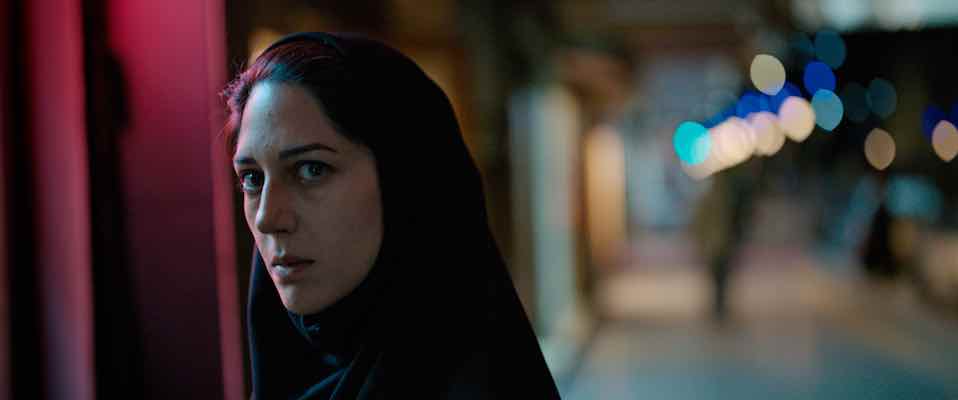
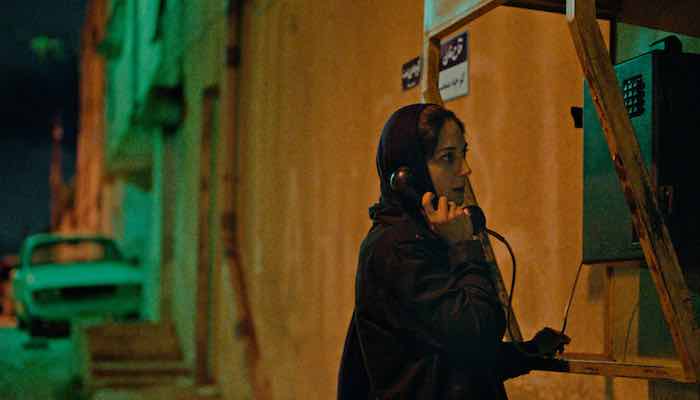
When the tragic prostitutes of the Iranian city of Mashhad unknowingly get on the back of the killer’s motorcycle, it won’t be their last ride. After he kills them, Saaed somehow manages to sit them on his bike and ride to dump their bodies outside of town.
As he returns from dumping the first victim, the skyline shines bright, with lights from each district creating a spider web pattern. It is a weird and singular moment of beauty in a brutal film.
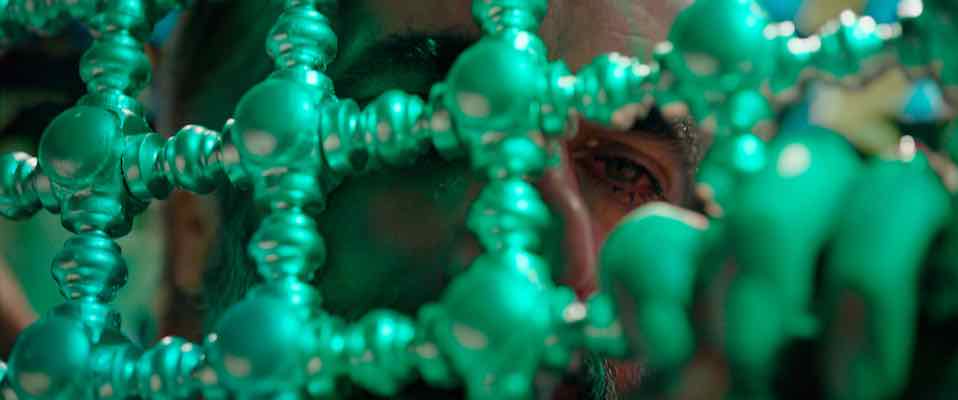
Maybe it’s easier to start with what Holy Spider isn’t. Despite some suspense, the story is more drama than thriller. Not exactly a true crime piece, but loosely based on a famous series of murders. It’s also not from inside Iran: the film is a European co-production shot in Jordan by Iranian ex-pats.
So what is it? Holy Spider is an intense, violent, provocative, slow-moving political and social commentary about a religious zealot who kills several prostitutes in the shrine city of Mashhad in the early 2000s. It’s also a film that has won awards, brought attention to the plight of Iranian women, and generated controversy about how much violence is needed to make a point.
Director Ali Abbasi lived in Mashhad during the actual events and was mystified by the lax law enforcement response and public support for the killer.
Abbasi wanted to make a true crime movie but found it difficult to get records and access to Saaed’s family. So instead, he and co-writers Afshin Kamran Bahramo and Jonas Wagner crafted a drama inspired by the events.
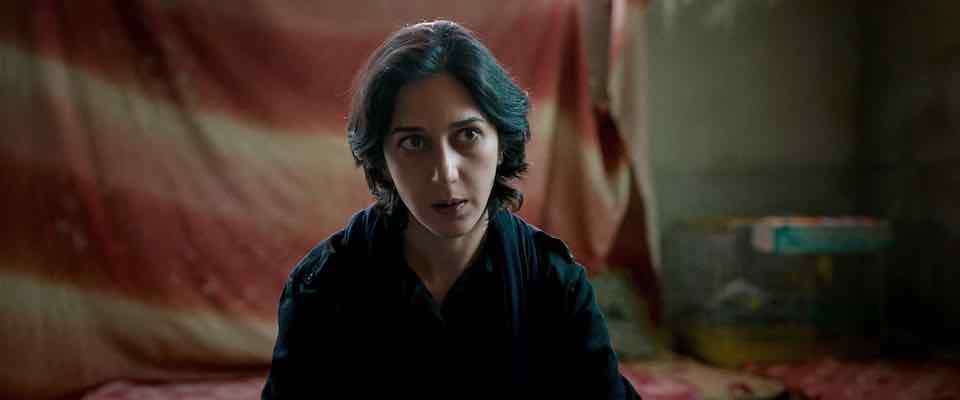
To tell the story, Holy Spider pairs the killer with a clever and tireless opponent, Rahimi, a female journalist from Tehran. She immediately runs into problems in Mashhad with her slightly uncovered hair. The hotel clerk warns that the morality police may come if she doesn’t cover up.
For Rahimi, not covering her hair is an aspiration to freedom and an invitation to trouble. But for the prostitutes that work the streets near the shrine, slightly uncovering their hair is a signal to men that they are available.
She awkwardly tries to fit in, obviously uncomfortable wearing the acceptable female attire. The local police are reluctant to help her. So is a local reporter treading carefully with his coverage of the killings. As these efforts lead nowhere, Rahimi works to connect with the prostitutes, who are also scared to talk to her.
The film devotes a considerable amount of time to the family life of Saeed. Abbasi shows us an Iran-Iraq war vet, a mundane but troubled man who constantly lies to his family to carve out time for his vicious morality crusade. The victims get less backstory, but there are some glimpses into their depressing lives.
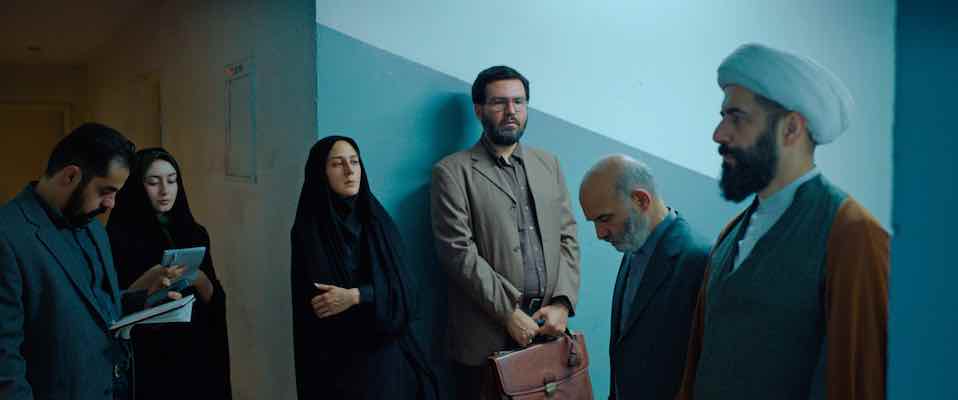
Holy Spider also paints a detailed picture of a hypocritical authoritarian society and how it oppresses women. The same men who constantly shame women for showing too much hair or skin are also harassing them for sex. There is a demand for sex workers, yet the women are scorned as they walk the streets near the temple. For the victims’ families, mourning their lost daughters is difficult, as they feel obligated to voice shame over having a prostitute in the family.
The film does not gloss over the brutality of the murders. Rather than implying the crimes as many pictures do, horrific killings are presented in gory detail.
For Abbasi, the film’s frankness is a response to the officially approved Iranian cinema. Abbasi told Screen Daily, “The film industry in Iran “has been presenting a parallel reality of the country in the past 50 years. Within it, women sleep with all their clothes on. They have metres of cloth around their head.”
The cast is headed by two notable Iranian actors. Mehdi Bajestani, a veteran of Iranian television, successfully portrays Saeed’s transition from a depressed and disturbed man to a man drunk on his infamy, enthralled that many locals support his horrific spree.
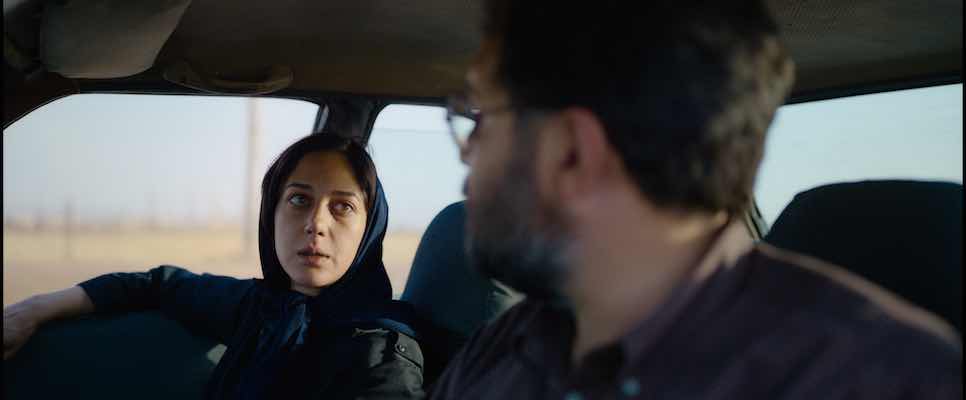
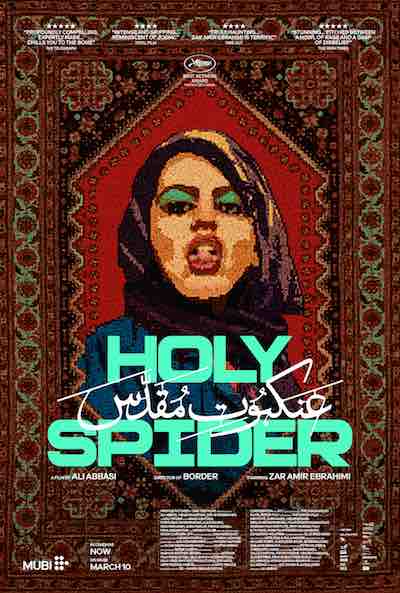
Lead actress Zar Amir-Ebrahimi fled Iran in 2008 to escape prison and torture after a sex tape scandal. She is commanding as journalist Rahimi, filling each frame with her character’s passion and determination. It is a comeback-topping moment for the actress who slowly rebuilt her career in Europe. Incredibly, she was a last-minute replacement in the lead role and then won Best Actress at Cannes for her performance.
For his direction, Abbasi was nominated for the Palme d’Or at Cannes. He previously won the 2018 Un Certain Regard Award for his feature, Border.
Ultimately, Abbasi’s film drags at times, and the violent scenes are challenging. But he succeeds in revealing a dark side of Iran, a story that for now can only be told by ex-pats.
| Movie Rating: |   |
Trailer:

Sources
1. Director Ali Abbasi lived in Mashhad during the original events and was mystified by the lax law enforcement response and public support for the killer.
https://abcnews.go.com/Entertainment/wireStory/exiled-actress-stars-piercing-portrait-iran-92089151
2. Abbasi wanted to make a true crime movie but found it difficult to get records and access to Saaed’s family. Mohtasham, Diba (4 January 2023). “A man killed women he deemed ‘immoral’ — an Iranian film fictionalizes the story”. NPR.
3. The film’s frankness is also a response to the officially approved Iranian cinema. Abbasi told Screen Daily, “The film industry in Iran “has been presenting a parallel reality of the country in the past 50 years,” Abbasi said. “Within it, women sleep with all their clothes on. They have metres of cloth around their head.”
https://www.screendaily.com/news/holy-spider-director-ali-abbasi-we-didnt-do-it-as-an-activist-work-but-it-takes-up-the-themes/5171221.article
4. Incredibly, she was a last-minute replacement in the lead role and then won Best Actress at Cannes for her performance.
https://cdn-media.festival-cannes.com/film_film/0002/75/9d8114598d816a9dc7cc1721bdc1eed4aba5c18b.pdf