Woodland Dark and Days Bewitched: A History of Folk Horror (2021) Review
- Horror Film Reviews
Rob Daniel
- 0
- 4 minutes read
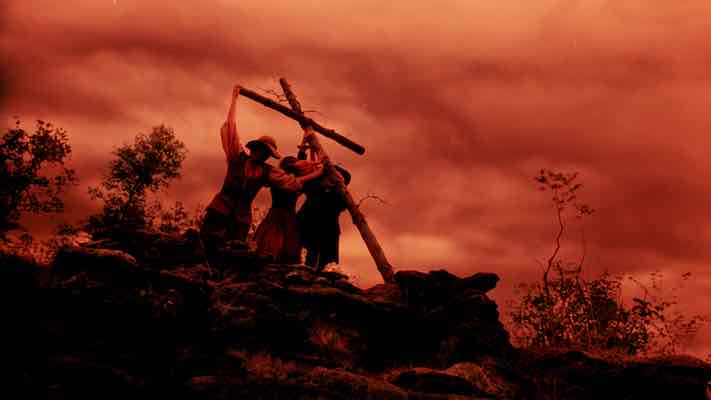
Writer-director Kier-La Janisse investigates the twisted roots of folk horror on screen in the compelling and often extraordinary (and mammothly titled) Woodland Dark and Days Bewitched: A History of Folk Horror.
Across 192-minutes we are whisked through the decades and around the world to see how folk horror intertwines and differs from culture to culture. All illustrated through a remarkable array of film and TV clips, with some discussion on key literary writers such as Arthur Machen, Algernon Blackwood, and even M.R. James.
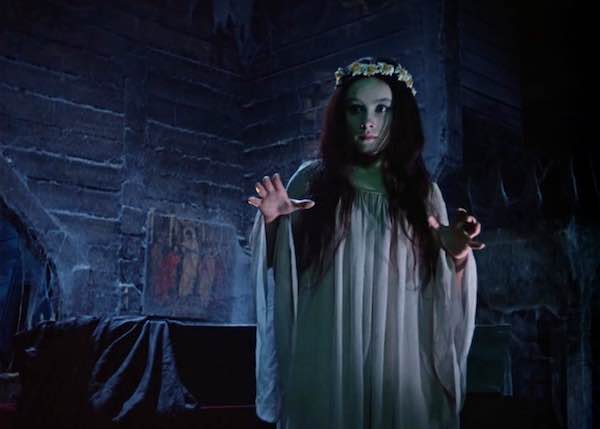
Perhaps because we have become awash with technology, but folk horror is currently enjoying another moment in the (dying) sun (of a late summer evening). Or maybe it is because folk horror seems to flourish in times of pessimism and distrust of authority; talking head Howard David Ingham comments upon how politically similar the world is now to the early 70s, when folk horror enjoyed a particularly purple patch.
Or could it be because folk horror, often entwined with witchcraft and persecution, invites feminist interpretations, which coincides with the recent explosion in female lensed horror? Is it psycho-geographical and we are drawn to the history and mystery of the soil beneath us?
Maybe we are just entertained by the rural settings, acoustic instruments, and characters in creepy masks?
As impressive as the volume of clips is the number of interviewees providing rich analysis on that horror we call folk. The Blood on Satan’s Claw director Piers Haggard, Prevenge’s Alice Lowe, and The Witch’s Robert Eggers are amongst the filmmakers featured. Joining them are academics Kat Ellinger, Lindsay Hallam, Alexandra Heller-Nicholas, Bernice M. Murphy, and others horror fans will know from myriad Arrow Video commentaries and video essays.
With anything this comprehensive there is the inevitable social media point-scoring about titles not included. But, the range of movies and series discussed is exceptional, even within the luxurious running time. The “Unholy Trinity” of The Wicker Man, The Witchfinder General, and The Blood on Satan’s Claw are placed beneath the apothecary’s eyeglass.
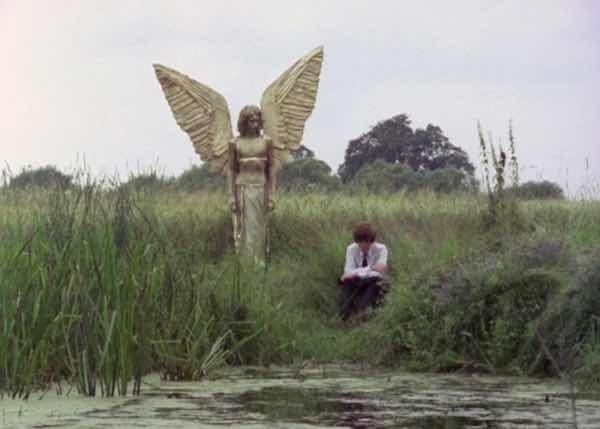
But these are just three of the movies you will be feverishly writing down as they appear, and others includes Witchhammer, Noroi: The Curse, Lemora, Penda’s Fen, The Children of the Stones, and Tilbury. The doc also makes for a good reading list, as you will want to read more thoughts from those talking heads. Jonathan Rigby’s English Gothic, Euro Gothic and American Gothic are immediate must-haves.
So what is folk horror? Maybe not a genre or subgenre because it draws in so many generic types, from the Western (The Wind) to the documentary (Wisconsin Death Trip), the anthology horror (Kwaidan) to the slasher flick (The Children of the Corn). Various opinions are given as to what constitutes folk horror movies, inviting the audience to draw their own conclusions. A convincing case is made for why 1992’s Candyman, an exemplar of the urban horror movie, can be read as folk horror.
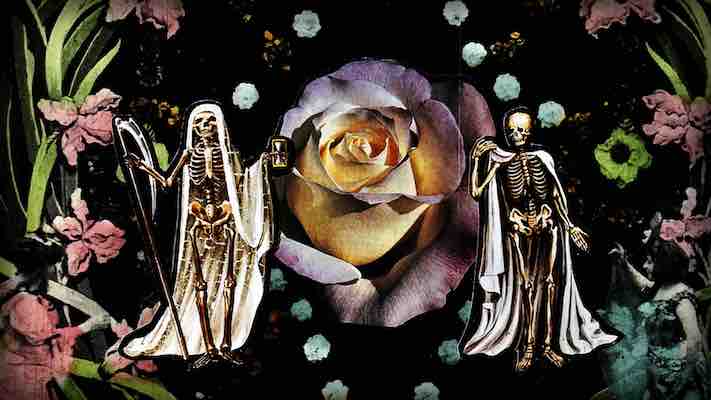
Janisse’s film will find its largest audience amongst horror fans willing to devote 192-minutes to a documentary featuring many titles they will not have seen. But, this is lively, engaging stuff, and well-paced to boot (special mention here to editors Winnie Cheung and Benjamin Shearn). So the casual viewer is encouraged to dip in, and handy onscreen chapter breaks allow for two or three viewing sessions if one mammoth watch seems too daunting.
A documentary dark, but bewitching indeed.
| Movie Rating: |   |
Trailer: