
So You Want To Make An Indie Horror Film?
- Horror Features
 Jasmine Clarke
- 0
- 6 minutes read
Indie horror is where scrappy ideas become careers. It is friends on a weekend shooting in a rented storage unit. It is a borrowed fog machine, a car boot full of cables, a lead actor who can cry on cue and hit the mark. You do not need permission. You need a plan, a story that fits your resources, and the nerve to finish what you start.
The smartest low-budget films are built like escape rooms. One clear objective, a handful of pressure points, a ticking clock, and a payoff you can actually deliver. The good news is that constraints are not a punishment. In horror they are a superpower. Here is how to use them.
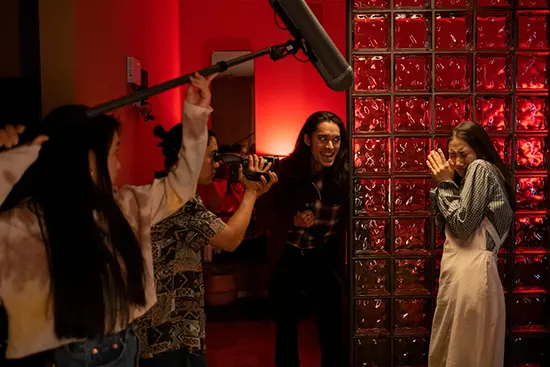
So You Want To Make An Indie Horror Film: A Field Guide From Page To Premiere
Build your sandbox first, then write inside it
Pick the world you can control. One house you can access at night. A storage facility after hours. A community hall that looks innocent in daylight and sinister at 3 a.m. Let the location dictate set pieces. A locked lift becomes a siege. A stairwell becomes a trap. A corridor becomes a countdown.
Choose one flavour of fear and commit to it. Dread. Shock. Body horror. You cannot do everything on a micro-budget, and you do not need to. Design your monster around what you can show. If it is practical, think silhouette, texture and movement that reads from ten feet away. If it is unseen, build the film around what characters hear and how they react. Write scares you can rehearse in a living room and test on a phone camera. If it does not work at home with a desk lamp, it will not work on set at 2 a.m.
Treat pre-production like your special effect
Calm sets make good movies. Lock your shot list, floor plans and safety notes before you roll. Time your biggest gag, then build the day around it. Anything with rigs, heat, blades or breakables needs a clear chain of responsibility and a reset plan. That preparation is the difference between one perfect take and three broken props.
Prioritise sound. Viewers will forgive a soft focus. They will not forgive noisy dialogue. Budget for location audio, a clean ADR window, and foley. Give your sound team room to sculpt silence. In horror, quiet is currency. Feed your crew, every day and on time. Hot food buys patience, and patience buys another take when the blood line clogs.
Give actors something to play beyond fear. Guilt. Jealousy. Old secrets. A deadline that has nothing to do with the creature. The stronger the behaviour, the less screen time your monster needs. That saves money and often makes the film feel bigger.
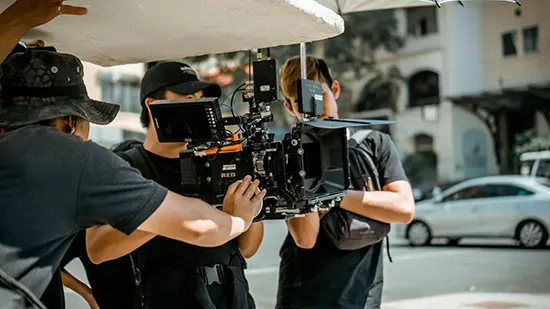
Paperwork and post are where small films go pro
The cheapest way to lose a distribution offer is messy rights. Clean your chain of title. Get location releases, appearance releases and music licenses signed before day one. Keep scans in one folder with your script, credits and stills. When a festival asks for an EPK, you should be able to send it in five minutes.
Budget for deliverables. Not just the edit. You will need captions, a poster that pops at thumbnail size, a 60 to 90 second trailer that lands in the first ten seconds, a handful of polished stills, and a logline that anyone on the team can recite without stumbling. These are not extras. They are the tools that get your film seen.
Build the audience while you build the film
Capture the making of your movie as you go. Ten seconds of clean vertical video from set is worth more than a paragraph after the fact. Post responsibly. Tease tone, not twists. When you picture your first audience, be specific. Is this a midnight crowd that cheers at practical gore. A slow-burn brigade who live for post-screening Q&As. Aim for festivals that programme your flavour. Track programmers. Read their notes. Save your submission fees for places that will actually say yes.
If festivals are not your lane, plan a community premiere with a working projector, good sound and a short Q&A. The energy of a real room is worth more than a quiet upload. It also gives you quotes, photos and momentum for the next platform.
A smart next step, if you want a structured path
If you are serious about getting from idea to finished film and want a start-to-finish framework made for low-budget horror, The Independent Horror Society (IHS) is running The Complete Indie Horror Film Roadmap next month. It covers concept, funding, production, post, and festival strategy, taught by working pros, with limited seats. You can find details at independenthorrorsociety.com/the-horror-film-roadmap-main. More generally, the IHS and other groups like it are a fantastic place to call if you’re looking for support, inspiration or a community to help with your dream horror project.
Start small. Pick the location you can own, write the scare you can deliver, and get it on camera. Everything good in indie horror started from a great idea and very little else!