
What ‘Host’ Proved About the Filming Industry
- Gaming
The Templar
- 0
- 4 minutes read
Rob Savage’s Host was shot in 12 weeks on a budget of roughly $100,000, filmed entirely over the live video service Zoom.
The cast themselves owned their cameras, lit their own rooms, and performed their own stunts, taping phones to the backs of their laptops so the picture held up. Savage also directed this whole thing from his home.
On 30 July 2020, it landed on Shudder, just two days after he delivered it with no trailer, no poster. It was only 57 minutes long, received a 6.5/10 rating on IMDB, and despite the small budget of $100,000, it ended up generating $443,807 at the box office.
Why It Worked
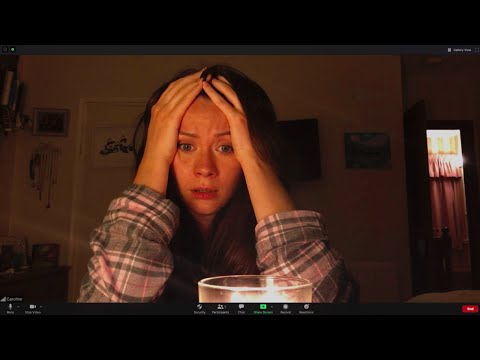
When it came out in 2020, it was the perfect moment for a stay-at-home, Zoom-like horror film. Everybody at that time was on video calls, so it was relatable to many fans.
It was also authentic. Savage refused non-diegetic sound, so everything you hear is something that a Zoom call would usually produce.
By not using extra effects, it produced a horror film that everybody could feel. They knew Zoom sounds and its quirks, like the freezing frame, the tile that stops updating, etc., making it extremely relatable to users.
The film weaponised this familiarity to create a horror film that everybody could feel, understand, and relate to, which is why it worked so well for the budget they had.
What Changed Afterwards
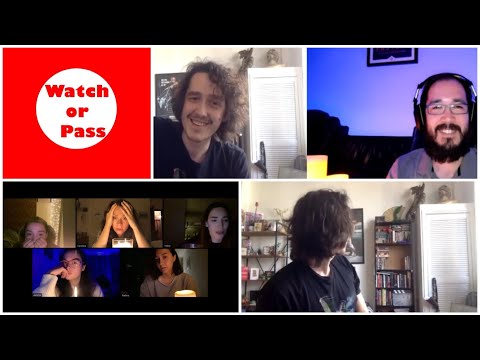
The “screenlife” format did exist before Host. However, the timing of the film made it stand out.
The Host did provide some lessons for the industry, however. They showcased that even with a distributed cast, consumer hardware, and a director on a laptop, that could be enough to turn a good profit.
It didn’t replace conventional filmmaking at all; it just broadened the scope for what’s considered achievable with a little bit of money and a lot of imagination.
Where Else Live Video Went
The film industry was not the only one to take full advantage of what a reliable video stream could make possible.
Broadcasting events moved fast. Concerts, festivals, and theatre started selling access to live streams alongside seats. There were even comedians offering Zoom-exclusive shows in 2020.
As a result, these events could sell people in two different ways. They could sell the seats and then sell the online access, increasing their revenue and exposure.
Live casino games went even further. With live game shows like Deal or No Deal: The Big Draw, users can participate in a live-streamed game show with a real dealer and real prizes, all streamed directly to your device. This industry broke the barrier that game shows can only be played in real life and switched it to anyone can play game shows whenever they want.
eSports even built an entire spectator economy on it. Naturally, this worked well, as eSports fans would rather watch a live-streamed version of the competition than watch on broadcast television.
The Common Thread
All of the mentioned rest on the same premise that Host did. A live feed carries an authority that recorded footage cannot, because the viewer knows that it’s live and cannot be altered.
Savage understood this enough to build an entire film around it. The fact that he did the entire film, directing, sounds, and more, from Zoom itself, however, made it even more impactful.