
The horror games that still make players uneasy
- Gaming
The Templar
- 0
- 8 minutes read
The best horror games do not rely only on jump scares. A loud noise can make anyone flinch, but it is the feeling before that moment which stays with players. An empty corridor, a door that refuses to open, a sound from another room or a game that gives too little information can create more tension than any monster reveal.

Horror also works differently from player to player. Some people prefer a game where they can fight back, even if ammunition is scarce. Others want the vulnerability of being unable to defend themselves at all. Psychological horror can make a familiar space feel wrong, while survival horror makes every bullet, healing item and locked door feel important.
That range explains why there is no single formula for a great horror game. Blackjack online may offer a quick, focused form of digital entertainment, but the strongest horror titles take their time. They build discomfort gradually, then make players question whether they want to see what is around the next corner.
Here are some of the horror games that have earned their place among the genre’s best.
Silent Hill 2
Silent Hill 2 remains one of the most effective examples of psychological horror because it rarely explains its fear too clearly. The town is covered in fog, the streets are almost empty and the enemies feel less like ordinary threats than reflections of James Sunderland’s state of mind.
The 2024 remake brought the story to a new audience with an over-the-shoulder camera, updated combat and expanded areas to explore. It still works because the core idea has not changed. Silent Hill is frightening not just because creatures appear in dark rooms, but because the town seems to know more about James than he does himself.
The game also understands the importance of silence. Music appears at the right moments, but long stretches of quiet make players listen more carefully to their surroundings. A radio crackle can feel more threatening than an enemy in plain sight.
Resident Evil 2
Resident Evil 2 balances fear with momentum better than almost any game in the genre. The police station gives players a place that feels familiar enough to understand, but confusing enough to become threatening. Locked doors, missing keys and distant noises turn every trip through the building into a risk.
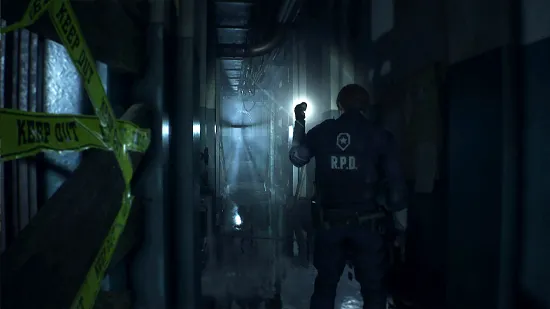
The game succeeds because it never lets players feel completely comfortable. Ammunition is limited, enemies take effort to put down and the safest route may change after a new threat appears. Players can fight, but every decision has a cost.
Mr X is a major reason the game remains so tense. He does not need to appear constantly. The sound of his footsteps somewhere nearby is often enough to make a player rethink their plan. Suddenly, returning to a room for a puzzle item becomes a much bigger problem.
Resident Evil 2 also knows when to give players a break. Short moments of safety, a useful weapon or a solved puzzle provide relief. Without those pauses, the fear would become exhausting. With them, the game creates a constant cycle of confidence and doubt.
Alien: Isolation
Alien: Isolation takes one of cinema’s most recognisable creatures and makes it frightening again by keeping it unpredictable. The Xenomorph is not simply placed at a set point in each level. It hunts, investigates noises and forces players to react rather than follow a fixed routine.
That creates a type of tension that many horror games avoid. There is no reliable way to defeat the alien, so hiding becomes part of the experience. Players use lockers, crawlspaces and dark corners, but no hiding place feels completely safe for long.
The game’s setting is just as important. Sevastopol Station has the worn, industrial look of the original Alien film, with flickering screens, narrow corridors and machinery that never seems to stop humming. It feels like a real place that has become dangerous, rather than a haunted house built only to create scares.
Some players find Alien: Isolation demanding, and that is fair. It can be stressful in a way few games are. Yet that pressure is also why it works. Every small success feels earned.
Amnesia: The Dark Descent
Amnesia: The Dark Descent changed the direction of horror games by removing the player’s ability to fight. There are no weapons to rely on. When danger arrives, the answer is usually to hide, run or avoid being seen in the first place.

That sounds simple, but the game makes it difficult to stay calm. Darkness affects the character’s sanity, while light offers safety but may also reveal the player’s position. The result is a constant trade-off. Staying in the dark feels dangerous, but lighting the way does not always feel much better.
The game’s monsters are effective because they are used sparingly. Amnesia does not need to fill every room with enemies. It builds fear through sound, uncertain movement and the knowledge that something may be close by.
Its influence can still be seen in many first-person horror games. It proved that taking control away from the player, in a carefully limited way, can make fear more personal.
Outlast
Outlast takes vulnerability even further. The player is armed only with a camcorder, and its night vision becomes essential in dark areas. The problem is that the camera needs batteries, so every second spent looking through it creates another worry.
The setting, an abandoned asylum, is familiar horror territory. What makes Outlast stand out is its refusal to let the player settle. Chases are sudden, hiding places are temporary and the game often pushes players through spaces that feel far too small to escape from.
It is not subtle in the same way as Silent Hill 2 or Amnesia. Outlast is louder, more graphic and more direct. Still, it understands one basic horror principle: players are often more frightened by the moment they lose control than by the monster itself.
Resident Evil 7: Biohazard
Resident Evil 7 was a major shift for the series. Moving into first-person perspective made the Baker family home feel far more immediate than the large environments of earlier entries. A narrow hallway becomes uncomfortable when the player has to walk through it themselves rather than watch a character do it from a distance.
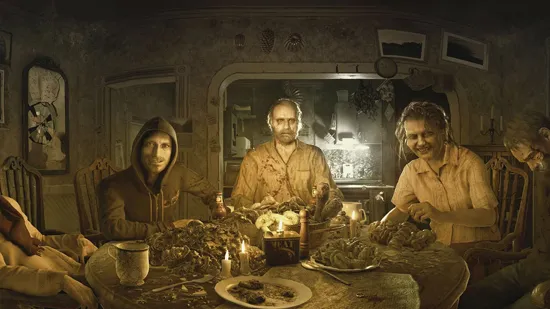
The game also returned to the series’ survival-horror strengths. Resources matter, exploration matters and the house slowly opens up as players find new items and keys. It combines those familiar systems with a more intimate setting, which makes the story feel more personal.
The Bakers are memorable because they are not treated as ordinary enemies. Each member creates a different type of threat, from sudden pursuit to unsettling conversation. The game uses them to keep changing the mood without losing its central sense of confinement.
What separates a good horror game from a forgettable one
The greatest horror games understand that fear needs space. They let players listen, look around and make a decision before the danger arrives. A monster is more effective when the player has already imagined where it might be.
That is why these games remain memorable. Silent Hill 2 turns grief into a place. Resident Evil 2 makes a police station feel impossible to leave. Alien: Isolation turns survival into a constant negotiation. Amnesia and Outlast make helplessness the point, while Resident Evil 7 brings horror close enough to feel personal.
They all frighten players in different ways, but none depend on a single loud moment. The best horror games stay in the mind because they make players uneasy long after the screen has gone dark.