
‘Silent Hill’ Is Back, ‘Hellraiser’ Finally Has a Game: Are Horror Games Having Their Best Year Since ‘Resident Evil 2’ Remake?
- Gaming
Evil Incarnate
- 0
- 5 minutes read
Six years ago, Capcom’s Resident Evil 2 remake convinced a sceptical industry that survival horror still had an audience worth building for. October 2026 is the month that argument gets settled for good. Resident Evil Requiem landed in February as a Game of the Year contender, Silent Hill: Townfall arrived on 24 September after twelve years in which the series looked finished, and Clive Barker’s Hellraiser: Revival launched on 8 October as the franchise’s first standalone video game in 39 years. None of that reads like a quiet year. It reads like the best one the genre has had since 2019.
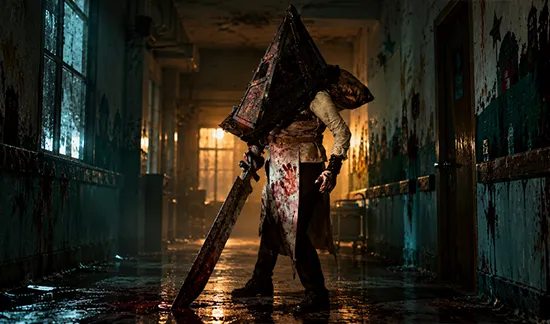
Hellraiser carries the most weight for anyone who has followed the franchise this long. Pinhead’s only prior video game appearance was as downloadable content in the asymmetric multiplayer title Dead by Daylight, pulled from that game’s roster in April 2025 after four years on the shelf. Revival drops that format entirely for a single-player, story-driven campaign built with Clive Barker’s direct involvement, and the reception on Saber Interactive’s Steam listing has settled at 94% positive across more than 2,600 user reviews within its first week, a stronger start than most licensed horror games manage.
That same licensing instinct runs well beyond games. Gambling.com’s best legal casino sites in the UK list tracks the same pattern on the casino floor: NetEnt’s Beetlejuice Megaways, Blood Suckers 2 and Halloween Jack have run on licensed UK casino sites for years, proof that horror IP has been migrating across gaming formats long before this year’s film-and-game crossover started trending. Anyone chasing which are the best legal casino sites in the UK for horror gaming fans this October is really asking the same question Hellraiser and Silent Hill fans are asking about their own purchases: which platform actually delivers on the licence it’s trading on.
A Scottish Silent Hill and a Packed October
Silent Hill: Townfall is the other reclamation story. Developed by Scottish studio Screen Burn Interactive and set in a fictionalised coastal town, it is a first-person psychological horror spinoff rather than a numbered entry, and it exists at all because Bloober Team’s 2024 remake of Silent Hill 2 proved Konami still had an audience willing to follow the series back into the fog. A franchise that looked dead after the Silent Hills cancellation in 2014 shipped two full games inside two years.
The release calendar around those two anchors is the densest horror gaming window in years. Team17’s Silver Pines, a Twin Peaks-flavoured survival horror metroidvania, launched the same day as Hellraiser Revival on 8 October. Valor Mortis followed on 13 October as a day-one Xbox Game Pass title. Nowhere, a Nordic narrative horror game set after Ragnarok, slipped from 30 September to 14 October for extra polish. Remothered: Red Nun’s Legacy closes the month on 27 October. Running alongside all of it, IllFonic’s Halloween: The Game passed 500,000 players within hours of launch, an asymmetric multiplayer take on Michael Myers that has stayed near the top of Steam’s charts since September.
The Cinema Connection Isn’t a Coincidence
None of this is happening in isolation from what is playing in cinemas. Scream 7 closed its run as the highest-grossing film in that franchise’s history at over $207 million worldwide, and Zach Cregger’s Resident Evil adaptation opened to a 96% Tomatometer score and the biggest debut weekend an R-rated video game film has ever had. Clayface, DC’s R-rated horror swing built around an eighty-year-old comics villain, lands in cinemas from 21 October. Horror’s box office strength and the genre’s gaming output are feeding the same appetite from different directions: a publisher greenlighting a horror title reads the same box office numbers a studio does, and both are currently pointing the same way.
That spillover between box office and games is covered in depth in Grimmfest Is Running, Clayface Is Coming for Halloween, which traced how this month’s box office numbers are already bleeding into the festival circuit and beyond. The gaming side of that story has simply caught up. For the first time since 2019, three major horror franchises have shipped genuinely strong games inside the same eight months, and none of them needed to compromise the format to do it. Hellraiser got to be a real game instead of a DLC chapter. Silent Hill got to be a full-length spinoff instead of a cancelled project. Resident Evil got to open a year, not close one out.