

Interview: ‘The Man in the White Van’ with Warren Skeels
- Interview
 Gavin Brown
- 1
- 15 minutes read
Warren Skeels is a filmmaker with a talent for transforming compelling narratives into immersive cinematic experiences. With a career spanning award-winning documentaries, critically acclaimed films, and hit television series, Skeels has carved a unique niche in the world of storytelling. From his celebrated feature documentary Thespians, which shone a spotlight on the passion and artistry of high school theatre students, to his MTV reality phenomenon Siesta Key, Skeels has consistently brought humanity, emotion, and visual beauty to his projects. Now, with The Man in the White Van, Skeels ventures into the realm of true crime thrillers, delivering a chilling and poignant exploration of fear, denial, and vulnerability in 1970s America.
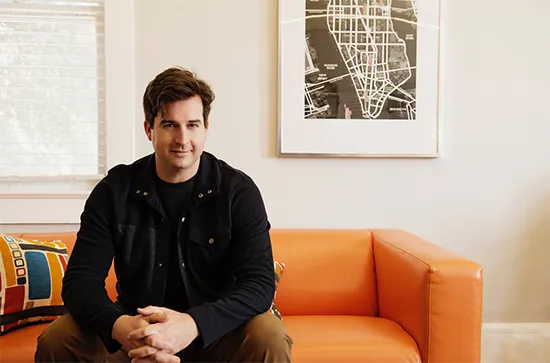
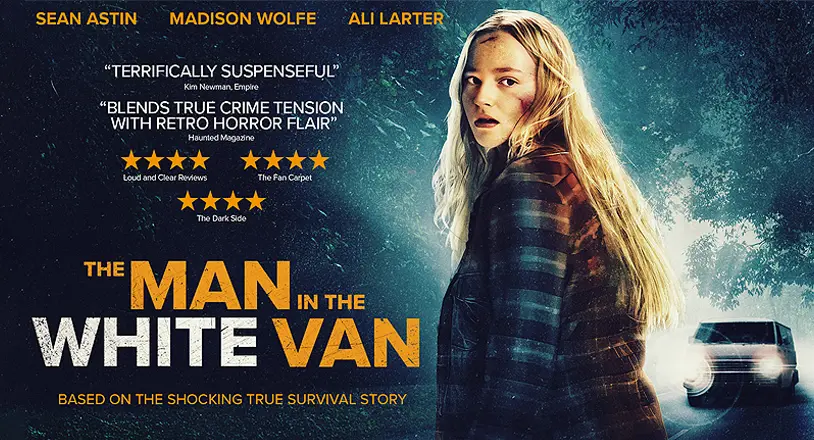
Released on December 13, The Man in the White Van is inspired by real events and follows the harrowing story of Annie, a young girl in 1975 Florida who becomes the target of a mysterious stalker. With masterful direction and a keen eye for detail, Skeels paints a haunting portrait of a time when small-town America clung to an illusion of safety, unaware of the lurking dangers that would come to define a darker chapter of the era. Drawing from his own experiences as a child in Florida, Skeels captures both the nostalgia of a seemingly innocent time and the terror of a world unprepared for the evil that could drive unnoticed into its quiet streets.
Beyond his work on-screen, Skeels is deeply committed to the film industry and its future. A member of both the Directors Guild of America and the Writers Guild of America, he has championed Florida as a hub for film production and frequently mentors aspiring filmmakers, sharing his passion for the craft. With The Man in the White Van, Skeels not only delivers a gripping thriller but also offers a reflection on the cultural blind spots that allowed danger to thrive unchecked, making the film as thought-provoking as it is suspenseful. Gavin Brown caught up with Skeels to discuss his inspiration, the challenges of bringing this true crime tale to life, and get an insight into the experience of creating this superior horrific thriller.

Love Horror: The Man In The White Van is based on a true story, what inspired you to take this story to the screen?
Warren Skeels: Well, for me, it is a survivor story, something that’s inspirational. A character going through extraordinary circumstances and somehow finding a way to come out on the other side really speaks to me. When I met with this survivor and victim, and she walked me through these incredible events that happened to her back in 1975. I just really found myself attached to the story, and I really loved the the idea of taking a point of view of the victim and survivor in a serial killer story, because, most serial killer stories are told from the perspective of either the serial killer themselves, and we’re learning of their MO and how they just can’t control themselves their origin story and why they became what they became or it’s a detective or journalist tracking down their guy, and I feel like this was a very unique perspective, and it gave me a lot of passion to want to tell that story,
What has the reaction to the movie been like so far?
We’re actually having our first public screening of the final cut of the film tonight in Jacksonville, so I’m very excited to actually see what that response is going to be. We’re kicking off a six city tour of the advanced screenings of the film and Q & A’s leading up to the Los Angeles premiere. In previous screenings, we’ve had a really interesting response. People were kind of moved by the film and also really interested in the true crime aspect of it and what took place back in 1975 and opening a conversation and talking about just what a crazy kind of golden age of serial killers, that time period was very different from today.

Was it an informed decision you made, to make the film less graphic in terms of the serial killer aspect of it?
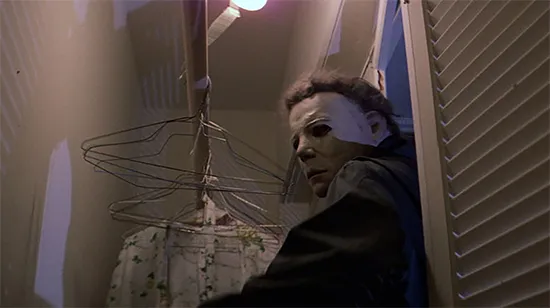
it was. It’s really about style. I mean, I personally love a good slasher, Nightmare On Elm Street was one of my favorite horror films growing up. I certainly loved John Carpenters Halloween and The Thing. I think for me,there’s a difference between slasher and gore horror, and this. It is really a suspense thriller, and I felt like theatre of the mind was probably a better use of the style of the film, as opposed to getting into gore that could glorify the killer in that way. That was something that I was really aware of. Sharon Cobb, my co-writer, and I really wanted to put the emphasis on the victim and and her journey and story and really just felt like it wasn’t necessarily something that needed to be a part of it.
How was the experience of working on the movie with established actors like Sean Astin and Ali Larter?
Well, I mean, Sean Astin is a cinematic legend, basically. One of my favourite movies growing up was The Goonies. So just having the opportunity to cast and work with someone who I looked up to for so long, was really special. He’s such a generous, kind soul to have on set. For me, it was a bit like having a mentor, because he’s also an accomplished director, so he has a way of being able to calm things down. On an independent set. You have to move very quickly a lot of the time, you don’t have a lot of time to play and figure things out in the moment , but having his calm presence on set was really nice for myself. Ali Larter, she’s so talented and she’s absolutely stunning. When you combine those together, she can be quite an intimidating force but once you start to work with her, you just realise how professional she is about the character, doing what’s best for the film, and trying to find her place in that world. I really enjoyed working with both of them, and having them on board as executive producers was humbling for me, that they wanted to be a part of helping make sure this film got made.
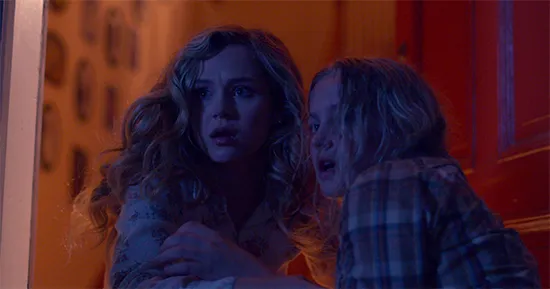
With a good portion of the cast of the movie being younger actors as well, was it a good experience working with them as well?
I mean, they’re great. I was just having lunch with Madison Wolfe who plays Annie and Noah Lomax, who plays Mark in the movie, and they’re just like family at this point. We all kind of know each other inside out and I think getting to know them personally and being able to bond with them was a great way just to understand them as humans, that we’re going to now go and take on this artistic endeavor together. Madison is just such a lovely, smart, professional actress who’s just up for anything that’s required of her character. I remember during production, I had to reel her back a couple of times from doing her own stunts just to make sure she wasn’t going to show up with a broken arm the next day. But that’s just who she is, she’s just willing to go and put her whole soul into the character. I think you will see her in years to come as a an actress in the industry in a very big way. Brec Bassinger, she’s so accomplished already in her own right. She just has such a fortitude that she brings to her work. I thought she was a perfect match for Margaret, because Brec herself, I would say she’s kind of a fashionista, and I think that helped her really kind of connect to Margaret, who is certainly very feminine and has a wonderful sense of fashion, and Tiger Curran, who designed her costumes. I thought she did an exquisite job with that characterisation, and Brec came together to bring out that quality of Margaret.
What influences did you have for the look of the film?
Certainly, there’s a nod to a few different films that are some of my personal favorites and inspirations growing up. I’ve had some filmmaker friends who I’ve shown earlier cuts of the film to, and they’ve called out certain moments and said, hey, I saw what you did there. I’m glad you caught that, you know, I’m glad you saw that one shot that was a nod to one of my filmmaking favourites. I love Hitchcock and certainly John Carpenter, Stephen King and Stanley Kubrick. So being able to be in a position to make a thriller and trying to find all those suspenseful moments to build into it, was a lot of fun. It was special.
Was it a challenging task to give the film an authentic 70s feel and vibe on the screen?
I brought on Gareth Paul Cox, who’s a longtime collaborator, as the cinematographer, and I think he just did a great job, finding the frames and finding the right colour temperature, and that really made sense for bringing us back into the 1970s. Lauren Spalding, and all the designers, in the production design. Like I mentioned, with costumes, Tiger Curran. I really wanted to put it in their hands. I talked to them about my concept and vision for it, but one of the things that all of us talked about together, was really wanting to be able to bring the audience back into the 70s and make them feel like when they’re watching it, that they’re there, and having authenticity to it, and also reflecting in the script. We wanted to be able to do that, but tell the story to a contemporary audience and find a way to hook a younger audience, that maybe wasn’t around in the 70s. How does the teen, or young woman of today, connect with a film that took place in the 70s? So we found some universal things, like the extension line in the room as a metaphor for social media today. Margaret is trying to get the extension line to run back. In the 1970s, the household would have one phone, that was in the kitchen or the living room and once she’s dialled, it’s talking about the equivalent of asking your parent for Snapchat or Tiktok or whatever. For us, that was a universal way into connecting with an audience today.
What have been some of your favorite horror films released this year?
Warren: I think it all kind of begins and ends with Longlegs. I think what Osgood Perkins did with that was just brilliant. I’m a big fan. I love his sense of suspense and the way in which he uses the sound design and the score in the film, I think was a whole character all to itself, and something that I thought was beautiful and completely frightening about the film. I’m a huge fan of the X series, so X and Pearl and Maxxxine. With Maxxxine, I felt like I wanted it to be more than it ended up being for me, but I have a feeling it’s going to grow on me over time. I just loved X and I thought Pearl was so beautifully put together that I probably had unrealistic expectations for the third installment with Maxxxine, but I’m a huge fan of Mia Goth as well, so I’m gonna give it another watch.
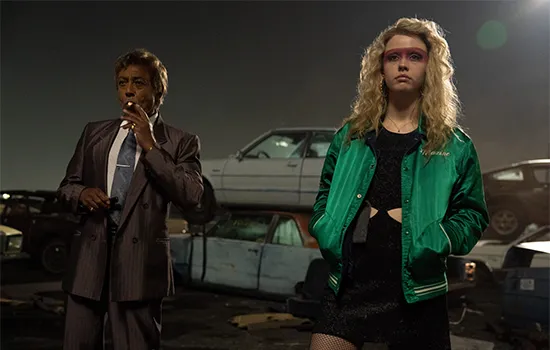
The Man in the White Van is out now, having debuted in US cinemas on December 13. Warren Skeels delivers a gripping true crime thriller that blends nostalgia, suspense, and chilling realism. Don’t miss this haunting tale of fear and vulnerability in 1970s Florida.
The Man in the White Van trailer



1 Comment
[…] released The Man In The White Van on DVD, Blu-ray and digital download from 29 September, making Warren Skeels’ true crime-inspired thriller available to UK […]