‘Species’ Wins Big as Trieste Science+Fiction Festival Reveals Winners
- Horror News
 Emily Bennett
- 0
- 4 minutes read
Trieste Science+Fiction Festival has wrapped its 26th edition after welcoming more than 20,000 attendees, with Marion Le Corroller’s body horror Species taking the Asteroide Award and a diverse group of films from across Europe and beyond sharing the festival’s major prizes.
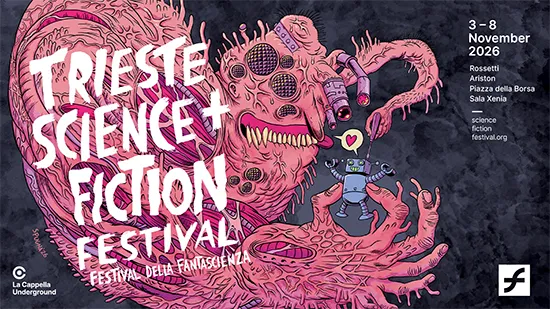
The Italian event concluded on 8 November at the Politeama Rossetti following a programme that featured more than 60 world, international and national premieres across three competitions. Festival director Alan Jones hailed the increased attendance and described the 2026 programme as one of the strongest yet.
Species, also known as Sanguine, won the Asteroide Award for best science fiction, horror or fantasy film from an emerging director. Le Corroller’s French-Belgian feature follows Margot, an aspiring doctor struggling to survive an intensely competitive emergency department as young patients begin presenting with strange symptoms and her own body starts undergoing an alarming transformation.

The Méliès d’Argent for feature films went to Markus Lehmusruusu’s The Squirrel, a Finnish-led dystopian comedy about a future where technology has eliminated nature and one man’s discovery of the last living squirrel disrupts his meticulously controlled life. The film also received the Event Horizon – INAF Award from the Italian National Institute for Astrophysics for its examination of biodiversity, technological progress and humanity’s relationship with the natural world.
Alexander Peskador’s short Rolling Mother took the Méliès d’Argent for short films after winning the audience vote, with its darkly comic premise involving a dead mother returning in the form of a murderous tin can.
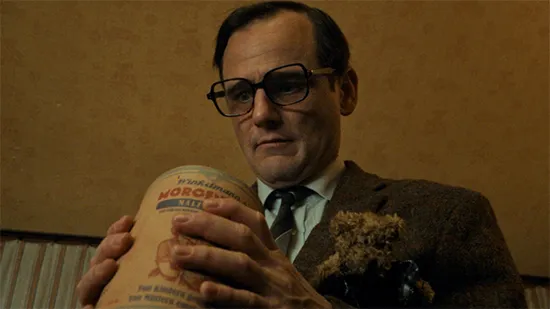
Audience honours in the Neon section went to Javier Ruiz Caldera’s 5 More Minutes, in which a couple trapped in an isolated house discover the final five minutes of time repeating endlessly. The film also shared the Rai 4 Award with William Brooke’s British science-fiction feature The Alice Paradox, which follows a physicist transported into an alternate version of her recent past while exploring quantum mechanics, identity and competing visions of society.
New Zealand horror comedy Mum, I’m an Alien Pregnant, directed by THUNDERLIPS, won the Stars’ War Critics’ Award for debut features, with the jury praising its outrageous mixture of B-movie excess and romance. Xu Zao’s animated science-fiction film Light Pillar received a special mention in the same category.

Italian short Edo2, directed by Andrea Scroccaro and Riccardo Torgano, won the CineLab Spazio Corto Award, presented by a jury of European film-school students. The film uses science fiction to explore technology’s ability to displace human experience.
Across the week, the winning titles reflected the festival’s increasingly international reach, moving between body horror, time loops, ecological satire, alien pregnancy and speculative technology while maintaining Trieste’s focus on science fiction as both entertainment and a tool for examining contemporary anxieties.
The 26th Trieste Science+Fiction Festival concluded on 8 November 2026. Full details of the winners and future festival activity are available through the official Trieste Science+Fiction Festival channels: sciencefictionfestival.org/en/