10 Great 90s Thrillers That Need to be Watched
- Horror Features
 Jasmine Clarke
- 0
- 10 minutes read
The 90s thriller boom had this very specific energy. Slick but paranoid. Star-driven but often a little grubby underneath. Films where everyone looked like they had their life together right up until the moment everything quietly collapsed.
It was also a decade where mid-budget thrillers could just exist. No franchise pressure, no cinematic universe obligations, just a strong hook, a couple of big performances, and a director allowed to get a little weird with it.
Some of them stuck around. A lot didn’t. Not because they failed, necessarily. More because they didn’t quite attach themselves to the culture in a way that made them unavoidable.
Here’s a list of 90s thriller movies that may have slipped your net the first time round, but are definitely worth watching.
10 Great 90s Thrillers
10. The River Wild
There’s something deceptive about The River Wild. It presents itself like a prestige-leaning adventure drama, all sweeping landscapes and family bonding, before tightening the screws into something much more controlled and tense.
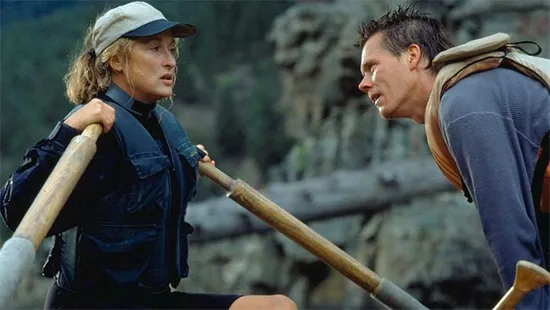
Meryl Streep is doing quietly brilliant work here as a former river guide who finds herself navigating both literal rapids and the increasingly volatile presence of Kevin Bacon’s charming-until-he’s-not criminal. The shift in tone is gradual enough that you don’t quite clock when the film stops being scenic and starts being threatening.
And the river itself really matters. It’s not just a backdrop for danger, it dictates it. Movement, timing, control. Every choice is shaped by the environment, which gives the film a kind of natural tension a lot of thrillers have to manufacture.
9. Pacific Heights
This is one of those thrillers that becomes more stressful the older you get, which is not a comforting realisation.
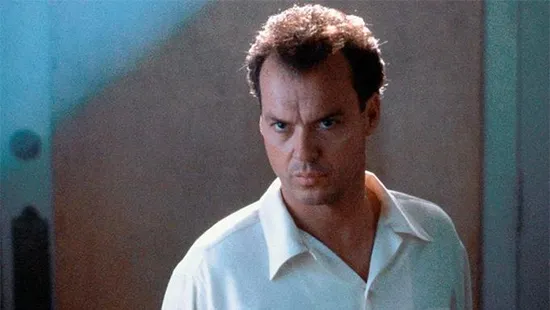
A couple rents out part of their home. Their new tenant, played with unnerving precision by Michael Keaton, proceeds to dismantle their lives using patience, loopholes, and a very calm understanding of how systems can be bent.
It’s not flashy. That’s what makes it work. The horror comes from watching control slip away in small, incremental ways. Legal processes stall. Authority figures shrug. And suddenly the home, which should be the safest space, becomes something else entirely.
I don’t know if it’s aged well or just become more relevant, which might be the same thing.
8. Breakdown
Breakdown is almost aggressively efficient.
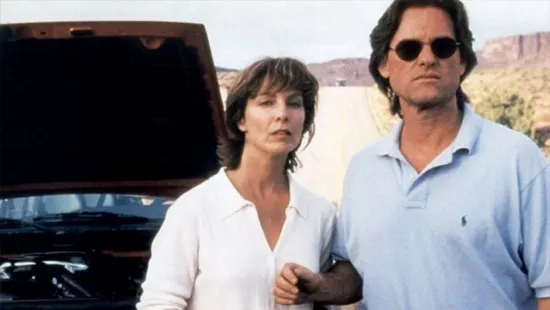
Kurt Russell plays a man whose wife vanishes during a roadside stop, and the film wastes no time turning that into a spiralling nightmare of denial, confusion, and mounting desperation. What’s striking is how quickly the situation escalates without ever feeling exaggerated.
There’s a kind of mechanical precision to it. Every interaction pushes things forward, usually in the wrong direction. Russell anchors it with a performance that feels grounded enough to sell the absurdity creeping in around him.
It also taps into that very specific fear of being in the wrong place, surrounded by the wrong people, and realising that the rules you rely on just… don’t apply here.
7. Single White Female
This one lives in that space between psychological thriller and something a bit more heightened, almost camp at times, but never enough to fully undercut the unease.
Jennifer Jason Leigh gives a performance that unfolds in layers, starting from vulnerability and edging steadily into something more invasive and unstable. The film leans heavily into themes of identity and loneliness, though it’s not exactly subtle about it.
Still, there’s an intimacy here that makes it land. The idea of someone inserting themselves into your life so completely that the boundaries start to blur. It’s a very 90s anxiety, that loss of personal space, but it hasn’t exactly gone away.
And yes, the haircut moment still lands. Maybe more than it should.
6. The Game
This is David Fincher in full control mode, constructing a narrative that constantly destabilises both its protagonist and the audience.

Michael Douglas plays a man drawn into an elaborate “game” that begins as a curiosity and gradually consumes his entire reality. What makes it compelling is how thoroughly it commits to disorientation. There’s no stable ground to return to, no clear sense of what’s real or staged.
Fincher leans into that uncertainty with a kind of cold precision. The film looks immaculate, moves deliberately, and keeps pulling the rug just as you start to regain footing.
Although, and I go back and forth on this, the ending either ties it together in a satisfying way or collapses under the weight of its own ambition. I still can’t quite decide which.
5. Copycat
Arriving in the wake of the serial killer boom, Copycat could have easily been lost in the shuffle, but it carves out its own identity through character rather than spectacle.
Sigourney Weaver plays an agoraphobic psychologist whose expertise becomes both her strength and her vulnerability, while Holly Hunter grounds the film with a more pragmatic, procedural presence.
The dynamic between the two gives the film a steady emotional core, which helps balance the darker material. It’s less about shocking the audience and more about sustaining unease, letting the threat linger rather than constantly escalate.
It’s also just… very watchable. In that mid-90s studio thriller way that feels almost engineered for a Sunday evening.
4. Arlington Road
This is one of those films that feels almost too cynical for comfort.
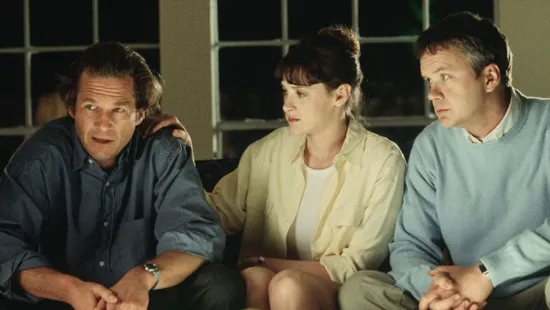
Jeff Bridges plays a man whose suspicions about his neighbours spiral into obsession, and the film carefully walks the line between justified paranoia and personal breakdown. You’re never entirely sure whether to trust his instincts or question them.
Until the film decides for you.
What’s striking is how controlled it all is. There’s no rush to reveal, no big showy twists early on. Just a slow tightening of tension, scene by scene, until the final act lands in a way that feels deliberately, almost cruelly, unresolved.
It’s not a comfortable watch. I’m not even sure it wants to be.
3. A Simple Plan
This is where the list gets a bit bleak.
Sam Raimi strips everything back here, delivering a thriller that’s less about external danger and more about internal collapse. Three men find money. They decide to keep it. And from there, everything unravels with a kind of quiet inevitability.
The brilliance of A Simple Plan is how reasonable every decision feels in the moment. Nothing is framed as obviously catastrophic until it already is. It’s a slow accumulation of compromise, each step justified, each consequence slightly worse than expected.
By the end, it’s not really about the money anymore. It’s about what’s been lost in trying to keep it.
2. Dead Calm
I know. It’s technically not 90s. I’m keeping it anyway.
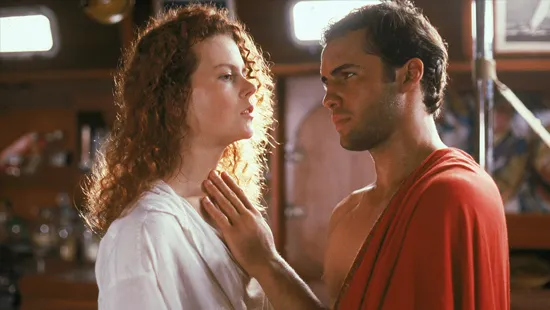
Dead Calm has that transitional feel, bridging late-80s tension with the cleaner, more character-driven thrillers that would dominate the next decade. Set almost entirely on open water, it traps Nicole Kidman, Sam Neill, and Billy Zane in a situation that becomes increasingly unstable.
Billy Zane is the standout, shifting between charm and menace in a way that keeps the film off-balance. You’re never quite sure where he sits, which makes every interaction feel slightly dangerous.
There’s also something about the isolation that works in the film’s favour. Nowhere to go, nowhere to hide, just open space that somehow feels more claustrophobic the longer you’re in it.
1. The Vanishing
This is a difficult one to sit with, which is probably why it doesn’t get revisited as often.
A remake, yes, and often dismissed because of that, but it still delivers a deeply unsettling look at obsession and control. Jeff Bridges again, this time on the other side of things, bringing a kind of calm, methodical presence that’s more disturbing than outright aggression.
The film avoids spectacle almost entirely. No big flourishes, no dramatic escalation, just a slow, deliberate unfolding of something you already suspect won’t end well.
And when it gets there… it doesn’t soften it. Which I respect, even if I don’t exactly enjoy it.
There’s something slightly sad about revisiting these films now. Not because they’ve aged badly, but because they belong to a moment where thrillers were allowed to be mid-sized, actor-driven, and a little cynical without needing to justify themselves.
I keep thinking about how many films like this just don’t get made anymore, or at least don’t get the same kind of release. Everything now feels either bigger or smaller, louder or quieter, and these sit in that middle space that’s harder to define.
Maybe that’s why they slipped. Or maybe there were just too many of them at the time and something had to give. I don’t know. I do think if Breakdown came out now it’d either be a streaming hit or quietly buried in a content pile within a week, which feels like a different kind of forgetting. What’s your favorite?